
Vatican II Remains the Church’s Guiding Light
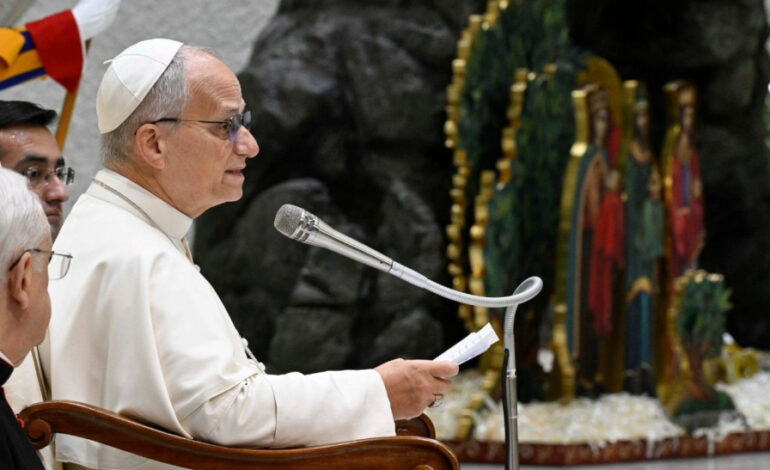

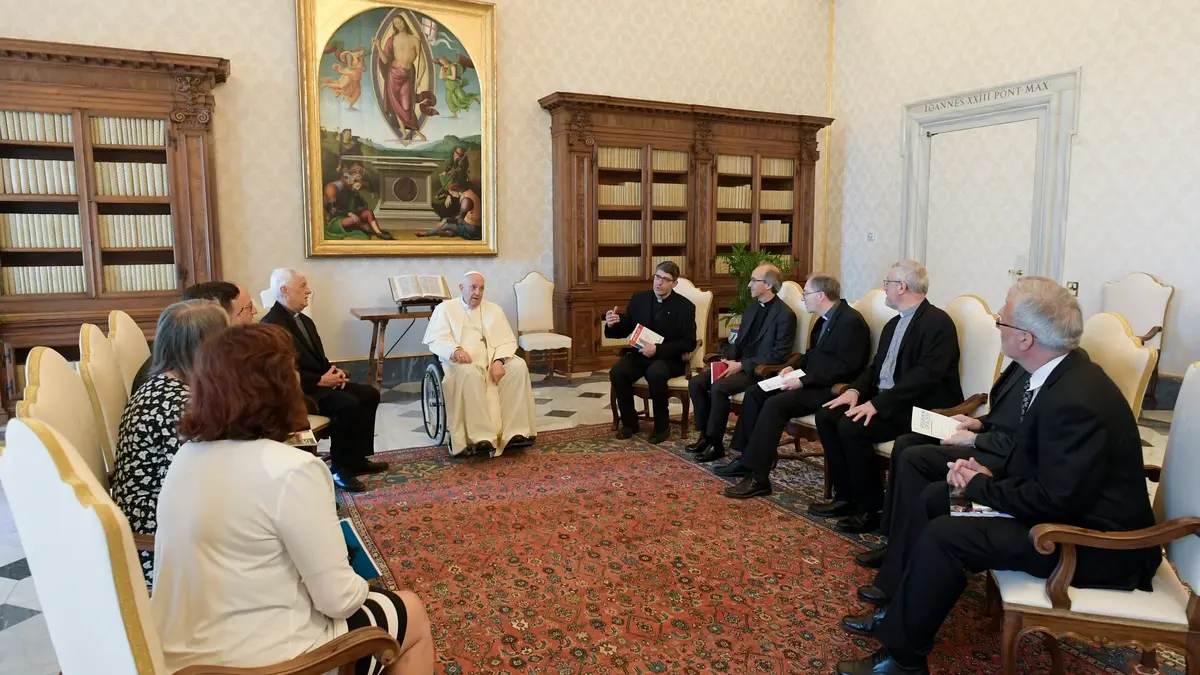
During his General Audience at the Vatican on January 7, Pope Leo XIV reaffirmed that the Second Vatican Council continues to serve as a living reference point for the Church’s mission and identity. Launching a new catechesis series dedicated to Vatican II and its documents, the Pope described the Council’s Magisterium as a guiding light for the Church’s journey in the present age. He framed the initiative as part of a wider effort following the Jubilee Year reflections on the life of Christ, inviting the faithful to engage more deeply with the foundations shaping contemporary Catholic life. Pope Leo stressed that Vatican II was not merely a historical moment but a grace whose teachings still illuminate spiritual discernment, pastoral priorities, and the Church’s relationship with the modern world. He recalled that while decades have passed since the Council, its voice remains current, offering direction amid cultural change and global uncertainty.
Reflecting on the passage of time since Vatican II, Pope Leo noted that the bishops and theologians who directly shaped the Council are no longer present, making renewed engagement with its documents even more essential. He urged believers not to rely on secondhand interpretations but to return directly to the texts themselves, reading and reflecting on their meaning with openness and responsibility. Recalling the words of past pontiffs, he emphasized that the Council’s teachings have not lost relevance but instead speak powerfully to a globalized society facing new questions of faith, unity, and dialogue. The Pope reminded the audience that when the Council opened in 1962, it was envisioned as a new dawn for the Church, one that prepared the ground for a renewed ecclesial season rooted in hope, discernment, and engagement with the world.
Pope Leo highlighted how Vatican II reshaped the Church’s understanding of God, the Church, and worship, drawing attention to its rediscovery of God as a Father who calls humanity into communion through Christ. He recalled how the Council presented the Church as a mystery of unity between God and His people, while also initiating significant liturgical renewal centered on active participation in the mystery of salvation. At the same time, Vatican II encouraged the Church to open itself to dialogue with the modern world, embracing responsibility and cooperation in addressing contemporary challenges. According to the Pope, this openness was not a departure from tradition but a deeper expression of the Gospel, allowing the Church to echo the hopes and concerns of peoples while working toward justice, peace, and fraternity in society.
In concluding his reflections, Pope Leo insisted that the spirit of Vatican II must continue to shape both personal spirituality and the Church’s pastoral action today. He emphasized the ongoing call to read the signs of the times with vigilance, to proclaim the Gospel with joy, and to witness courageously to justice and peace. Drawing on insights from figures associated with the Council and later pontificates, he underlined that true renewal is rooted not primarily in structures or methods but in holiness and love for God and humanity. The Pope invited the faithful to approach the Council’s documents with fresh eyes, rediscovering their prophetic relevance and allowing them to inspire renewed commitment to bringing the Gospel to the world as a message of love, justice, and peace.