





As Sudan approaches 1,000 days of conflict, the humanitarian situation continues to deteriorate with civilians bearing the heaviest cost. Ongoing fighting and repeated attacks have intensified insecurity across multiple regions, with recent drone strikes killing civilians including children. Communities in North Kordofan and surrounding areas have reported growing fear as violence spills into villages already strained by shortages of food and medical care. According to humanitarian officials, families are being forced to flee with little warning, often abandoning homes and livelihoods in search of safety. The conflict, which began in April 2023, shows no sign of easing as rival forces continue to battle for territorial control. With the milestone approaching, the country remains trapped in a cycle of instability that has eroded daily life and left millions struggling to survive amid constant uncertainty.
The conflict has effectively divided the country, with rival military groups consolidating power in different regions and turning large areas into active battle zones. While eastern parts including the capital remain under one authority, western and southern regions have seen shifting control and intensified clashes. This fragmentation has made civilian protection increasingly difficult and has disrupted access to essential services. Humanitarian observers warn that the use of drones and heavy weaponry in populated areas is placing communities at extreme risk and accelerating displacement. The breakdown of national infrastructure has compounded the crisis, limiting access to clean water, healthcare, and education. As fighting persists, the lack of a political settlement continues to prolong suffering, leaving civilians caught between frontlines with few options for escape or support.
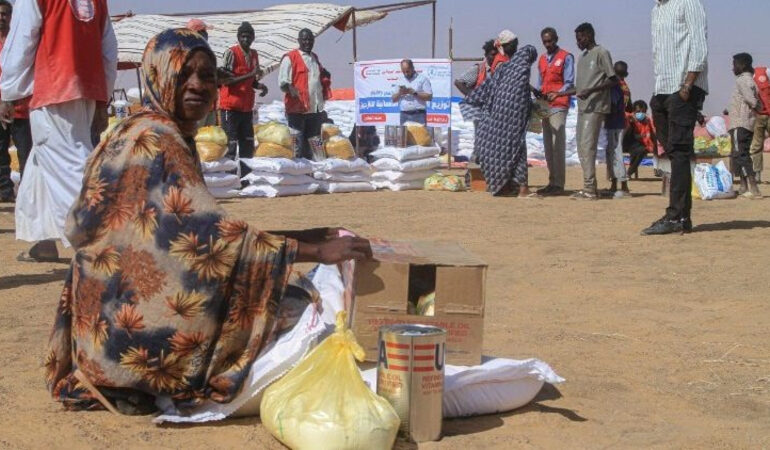
Conditions are especially dire in regions already facing food insecurity. North Darfur, described by aid agencies as the epicenter of the country’s hunger crisis, has been hit by repeated attacks that further restrict humanitarian access. Recent nutrition assessments have revealed alarming levels of acute malnutrition among children under five, highlighting the long term consequences of prolonged conflict. Families displaced from Kordofan and Darfur are often forced into makeshift shelters with minimal protection from the elements. Over recent months, tens of thousands have fled their homes, adding to what humanitarian coordinators describe as one of the world’s largest displacement crises. With more than twelve million people uprooted nationwide, the scale of need continues to outpace available assistance.
International agencies continue to call for an immediate end to the violence and for guaranteed protection of civilians. United Nations officials have stressed the urgency of ensuring safe and sustained humanitarian access, warning that further delays will deepen the crisis. In areas where fighting has subsided, efforts are underway to stabilize communities and restore basic services. Programs focused on debris removal, access to medicine, and psychosocial support are offering limited relief, particularly in urban centers. However, aid workers caution that such initiatives can only mitigate suffering unless broader peace efforts take hold. As Sudan marks this grim milestone, the absence of lasting security continues to threaten lives and undermine hopes for recovery.