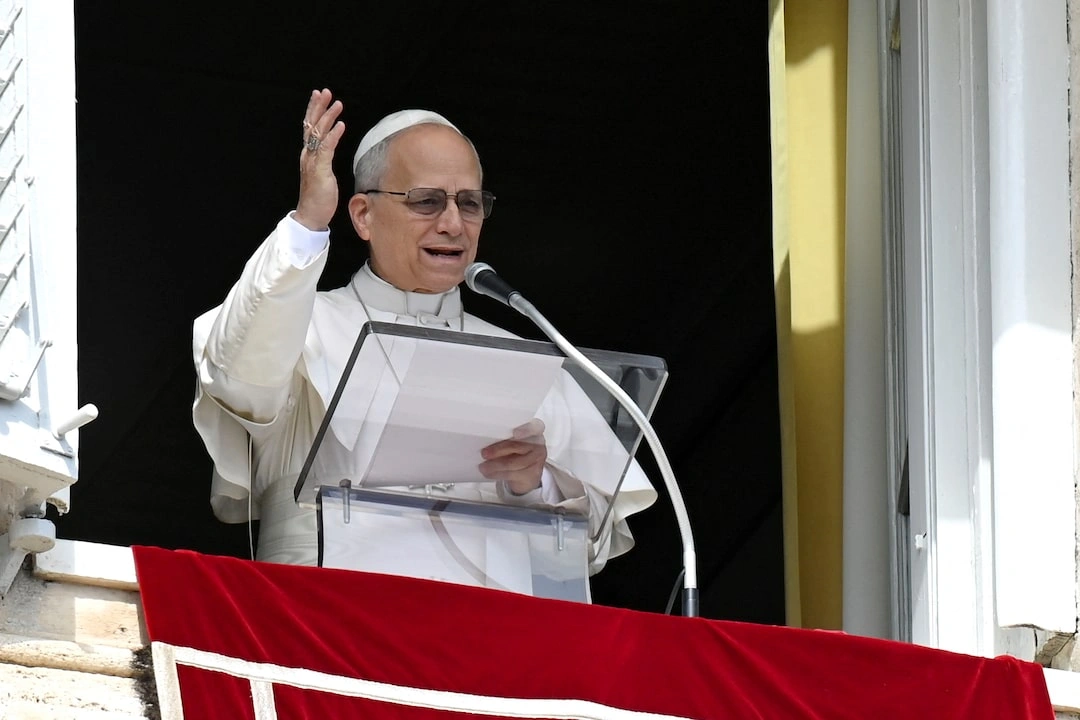
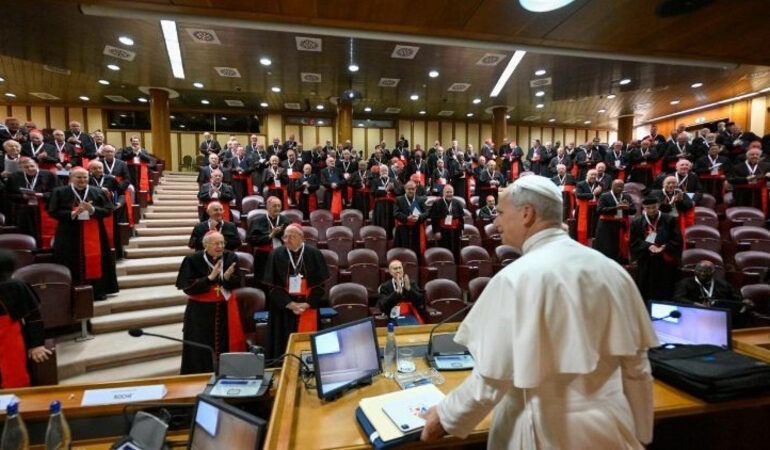

Speaking at the opening of the Extraordinary Consistory of Cardinals in the Vatican, Pope Leo XIV placed listening and communion at the heart of the Church’s path forward. Welcoming Cardinals from across the world on January 7, he described the gathering as a moment not aimed at producing documents but at continuing a shared conversation to help him serve the mission of the universal Church. He invited the College to enter two days of reflection guided by the Holy Spirit, marked by openness and attentive dialogue. The Pope acknowledged the richness of the College of Cardinals, shaped by diverse cultures, pastoral experiences, and personal histories, and stressed that this diversity is a strength when lived in communion. He encouraged mutual listening as a concrete way to grow together and to offer a credible model of collegiality for the wider Church.
In his address, Pope Leo returned to a central theological insight, reminding the Cardinals that it is not institutional structures that draw people to faith but the living presence of Christ. He recalled reflections from previous pontificates and emphasized that the power attracting believers is rooted in divine love made visible in Jesus Christ and shared through the Holy Spirit. Any authentic attraction exercised by Christian communities, he said, flows from this charity and not from human strategies. The Pope warned that unity gathers and gives life, while division weakens witness and scatters the faithful. This reminder framed his call for deeper communion, urging Church leaders to guard against internal fractures that obscure the Gospel and diminish credibility in a searching world.
The Consistory was structured around reflection on key priorities facing the Church in the coming years. Pope Leo noted that the Cardinals would focus their discussion on two selected themes drawn from the Church’s recent magisterial and pastoral journey. These include the missionary impulse of the Church in today’s world, the service of the Holy See to local Churches, synodality as both method and mindset, and the central place of the liturgy in Christian life. Rather than covering everything broadly, the Pope asked for concise and focused contributions that would help identify priorities guiding his ministry and the work of the Roman Curia. This approach, he explained, is meant to foster depth, clarity, and genuine participation.
Concluding his remarks, Pope Leo highlighted that the very way Cardinals learn to work together matters as much as the topics discussed. Fraternity, sincerity, and spiritual friendship, he said, can open new paths for both present and future challenges. He expressed hope that this style of shared discernment would continue to support the Petrine ministry entrusted to him. Entrusting the gathering to the guidance of the Holy Spirit and the maternal care of Mary, Mother of the Church, the Pope set a tone of humility and trust. The Consistory thus began not as a display of authority, but as a sign of a Church seeking unity by fixing its gaze firmly on Christ.