Cameroon Church Responds to Post Election Criticism
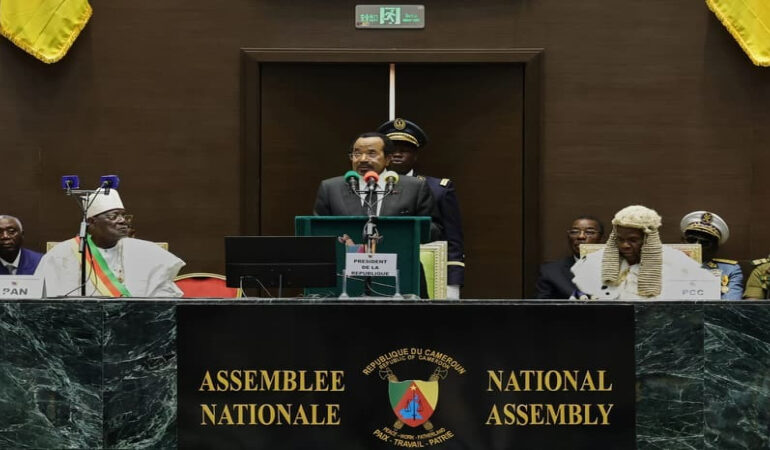

In the aftermath of Cameroon’s disputed presidential election, the Catholic Church has found itself under intense public scrutiny, with critics accusing it of silence or insufficient resistance in the face of political controversy. The re election of longtime president Paul Biya has deepened divisions within the country, placing Church leaders at the center of a national debate over moral responsibility and political engagement. Many Catholics and civil society voices have questioned why the bishops did not openly challenge what opposition figures describe as electoral irregularities. In response, Church leaders have sought to clarify their role, emphasizing that their mission is not to function as a political authority but as a moral guide rooted in conscience, peace, and responsibility. The debate reflects broader tensions within Cameroonian society, where expectations of the Church remain high amid prolonged political fatigue and social frustration.
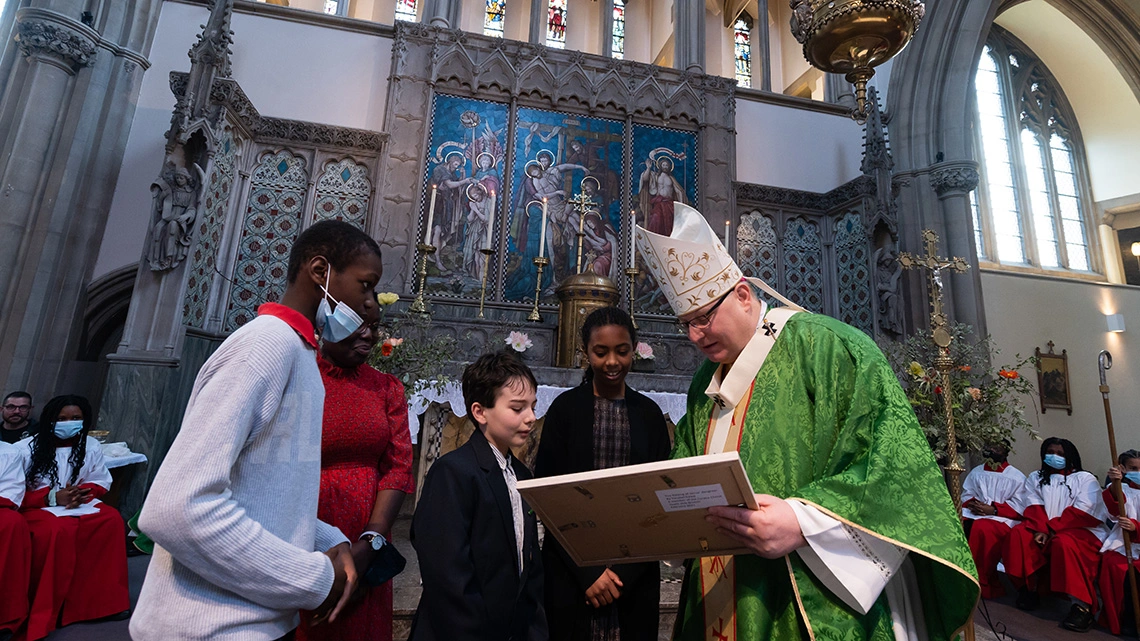
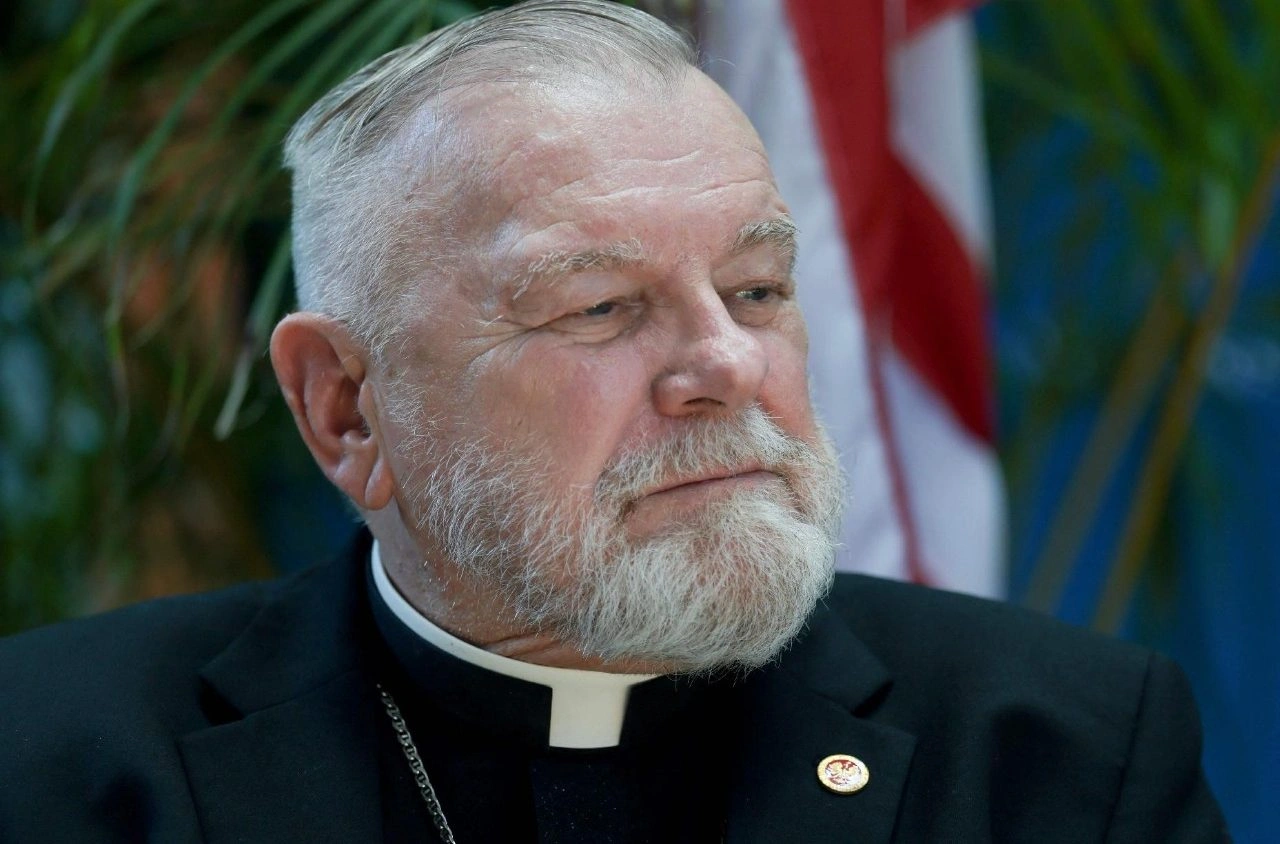
Speaking at the opening of the bishops’ annual seminar in Kumba, senior Church figures rejected claims of complicity and called on citizens to take ownership of their political responsibilities. Andrew Nkea Fuanya stressed that an episcopal conference is neither an electoral commission nor a political party and cannot be expected to announce results or remove governments. He urged Cameroonians to avoid shifting civic duties onto the Church, insisting that democratic accountability lies primarily with political actors and voters themselves. Other bishops echoed this stance, explaining that while the Church continues to speak prophetically on justice and human dignity, it does not promote violence or regime change. Their position seeks to maintain unity within a deeply polarized society while preserving the Church’s credibility as a moral voice rather than a partisan force.
At the same time, internal disagreement has surfaced among clergy and faithful who believe the Church should adopt a more confrontational posture toward entrenched power. Some priests and commentators have pointed to historical examples where Church leaders played decisive roles in challenging authoritarian regimes. These voices argue that silence or restraint risks weakening the Church’s witness. Church representatives counter that their approach is neither silence nor passivity, but a commitment to reconciliation and healing. They describe the Church as a field hospital for a wounded nation, attentive to both victims and those responsible for injustice. This vision emphasizes conversion of hearts over political confrontation, seeking long term peace rather than immediate upheaval.
The debate unfolding within Cameroon’s Catholic community highlights the delicate balance between prophecy and pastoral care. Church leaders insist they remain firmly committed to justice, peace, and the defense of the vulnerable, even when their methods are misunderstood. By grounding their response in social teaching and dialogue, they aim to prevent further division in a country already strained by political tension and conflict. As Cameroon continues to grapple with questions of legitimacy and leadership, the Church’s role remains both contested and central. Its challenge is to remain faithful to its mission while navigating expectations that reflect the deep anxieties of a society searching for stability and hope.