

Arizona Proposal Sparks Alarm Over Confessional Seal
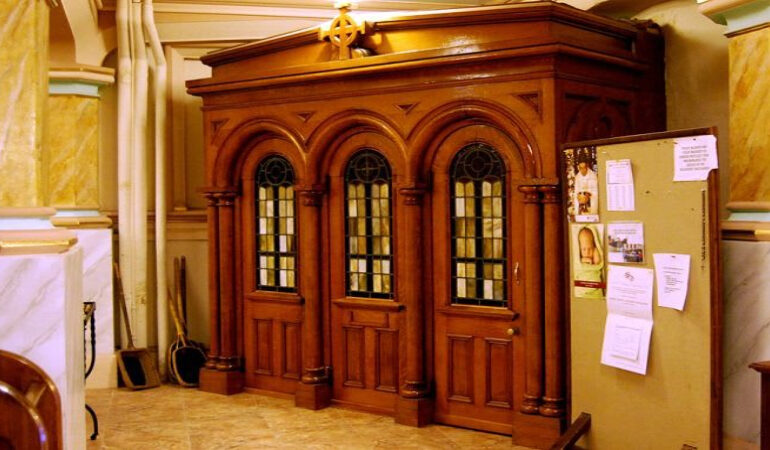

A newly proposed bill in Arizona has ignited sharp concern among Catholic leaders and religious liberty advocates by introducing criminal penalties for priests who refuse to break the seal of confession. The measure, known as House Bill 2039, would require clergy to report suspected child abuse learned exclusively through the sacrament of confession if they believe harm is ongoing or may continue. Under the proposal, failure to report could result in felony charges, carrying potential prison sentences and significant financial penalties. The bill has reopened a long running national debate over the boundary between mandatory reporting laws and the absolute confidentiality required by Catholic sacramental practice. For the Church, the confessional seal is not a disciplinary guideline but a core religious obligation, regarded as inviolable under any circumstance.
The proposed legislation was introduced by an Arizona state lawmaker and is currently awaiting consideration in the state House. If enacted, it would amend existing reporting statutes to remove long standing exemptions for confessional communications. Catholic teaching holds that priests may never disclose anything heard in confession, even under threat of punishment or death, and violations are considered among the gravest offenses under canon law. Church officials warn that the bill would place priests in an impossible position, forcing them to choose between obedience to civil authority and fidelity to a sacrament regarded as sacred and foundational. Historically, priests have accepted imprisonment and even martyrdom rather than violate this seal, a fact frequently cited by critics of such legislation.
Arizona’s proposal follows a broader pattern seen in several U.S. states where lawmakers have sought to narrow or eliminate religious exemptions within child protection laws. In recent years, similar efforts have emerged in Washington, Delaware, Vermont, Wisconsin, and Montana. A closely watched case in Washington state collapsed after a federal court ruled that compelling priests to break the seal of confession violated constitutional protections. That ruling was widely interpreted as reinforcing the principle that government cannot compel clergy to act against sincerely held religious doctrine. Despite these precedents, advocates of Arizona’s bill argue that child safety requires broader reporting mandates, while opponents insist that the confessional seal does not shield abusers but instead encourages repentance and accountability outside the sacrament.
The bill has drawn criticism not only from Catholic voices but also from legal scholars who warn that it risks entangling the state in matters of religious doctrine. Confession is viewed by the Church as a protected space where penitents may speak freely, with priests strictly forbidden from using or acting upon the information disclosed. Church leaders argue that undermining this trust could discourage individuals from seeking spiritual guidance altogether. As debate unfolds, the proposal raises fundamental questions about the limits of state authority over religious practice. Whether the bill advances or stalls, it underscores ongoing tensions between safeguarding the vulnerable and preserving constitutional guarantees of religious freedom in a pluralistic society.