Greenland Priest Urges Peace as Takeover Talk Stirs Anxiety
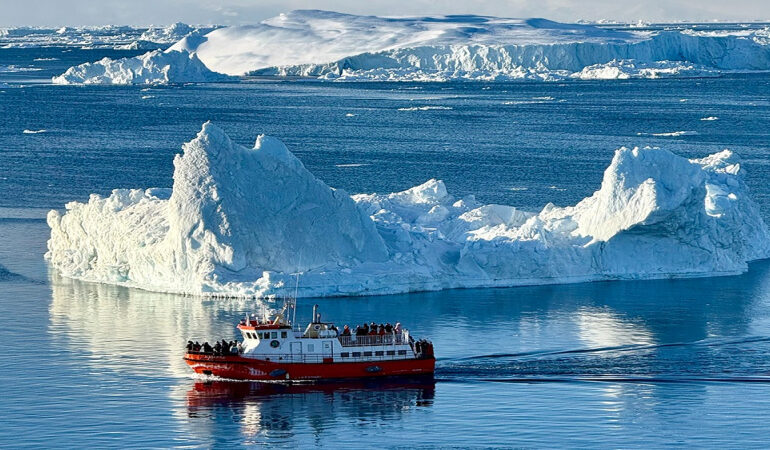

Growing discussion in Washington about a possible United States move to acquire Greenland is being met with unease and quiet resilience among local residents, according to the Catholic priest serving the island’s small but diverse community. From the capital Nuuk, Father Tomaž Majcen has described how political uncertainty has entered everyday conversations, from workplaces to parish gatherings, shaping concerns about identity, sovereignty, and the future of families. Greenlanders, many of them Inuit, strongly identify with their land and culture, and the idea that decisions about their future could be driven by external powers has heightened anxiety. While fear is present, it is tempered by a deep sense of belonging and determination. For many, the debate is not abstract geopolitics but a personal question about who has the right to decide the destiny of their home, especially in a region that already carries the weight of historical influence and strategic military interests.
Recent statements from the United States framing Greenland as a strategic priority have intensified reactions across Europe and the Arctic region, prompting diplomatic responses that emphasize sovereignty and collective security. Greenland’s political status remains complex, balancing broad self rule with Denmark’s role in foreign and defense affairs, while long term aspirations for independence continue to be discussed locally. Against this backdrop, Father Majcen has emphasized that political tension directly affects the emotional and spiritual well being of the people he serves. Uncertainty, he notes, creates stress around cultural continuity and the future of children, particularly in a small population already navigating economic dependence and environmental vulnerability. In this climate, the Church’s presence becomes more than sacramental, offering a space for listening, reassurance, and reflection as people seek stability amid shifting global attention.
The priest has stressed that the Church must clearly stand for peace, dialogue, and the dignity of all peoples, especially Indigenous communities whose voices risk being overshadowed in international power struggles. He has called for respect for Greenlanders’ right to determine their own future and for leaders to choose cooperation over threats. Beyond political questions, he has also linked the moment to care for creation, noting the Arctic’s fragility and its symbolic importance in global environmental discussions. Through prayer, pastoral presence, and advocacy for human dignity, the Church seeks to remain a place of unity and hope, reminding the faithful that compassion and solidarity are essential responses when fear and uncertainty grow within a community facing forces far larger than itself.