


Pope Leo XIV and the First Signals of a New Papal Era
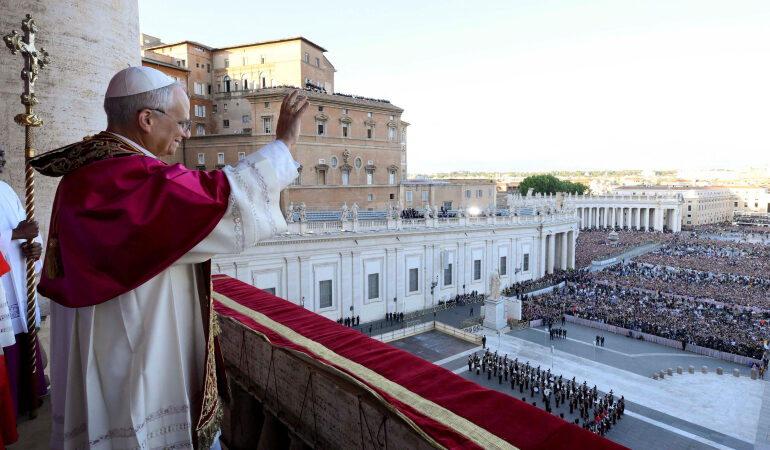

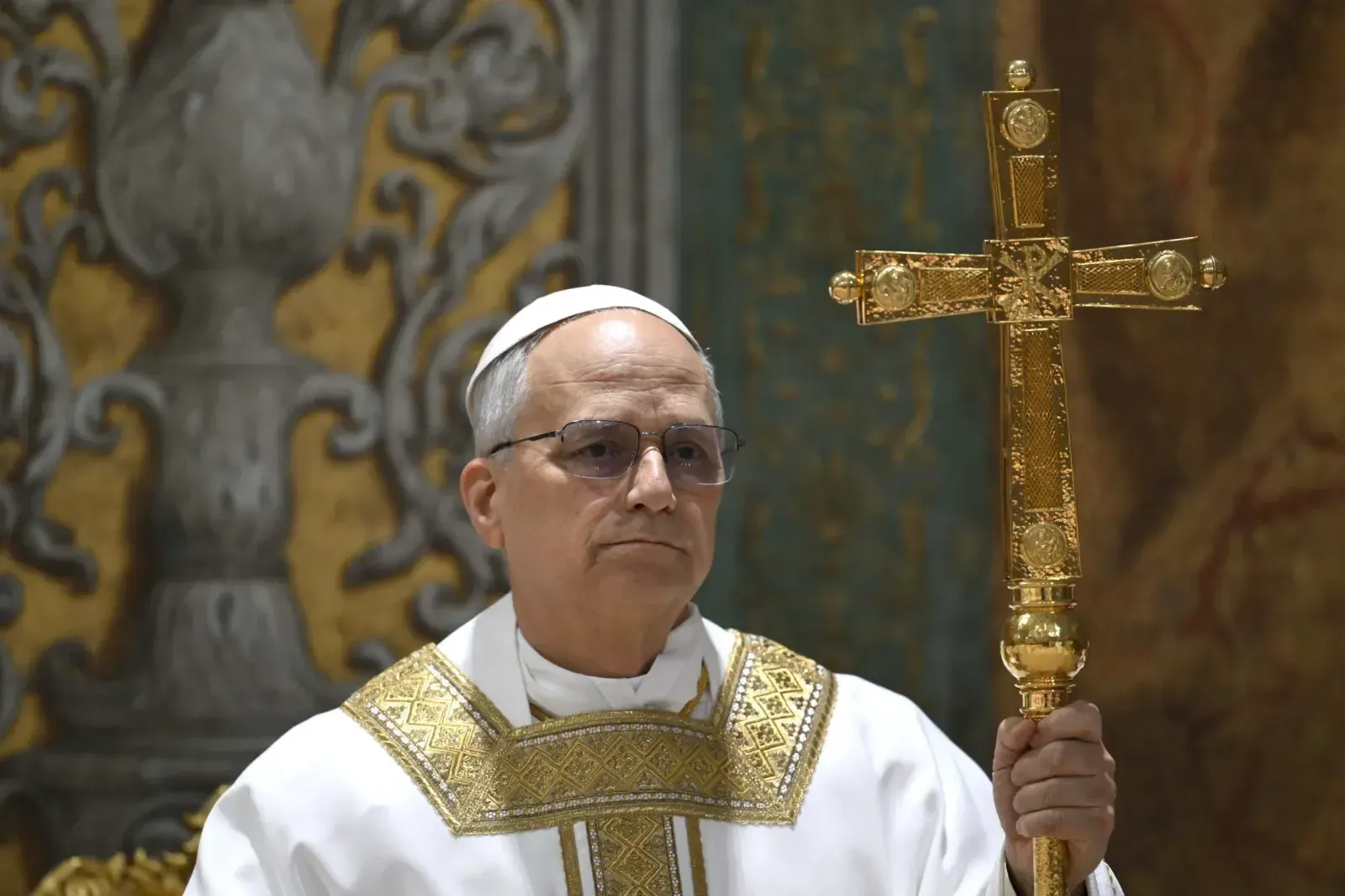
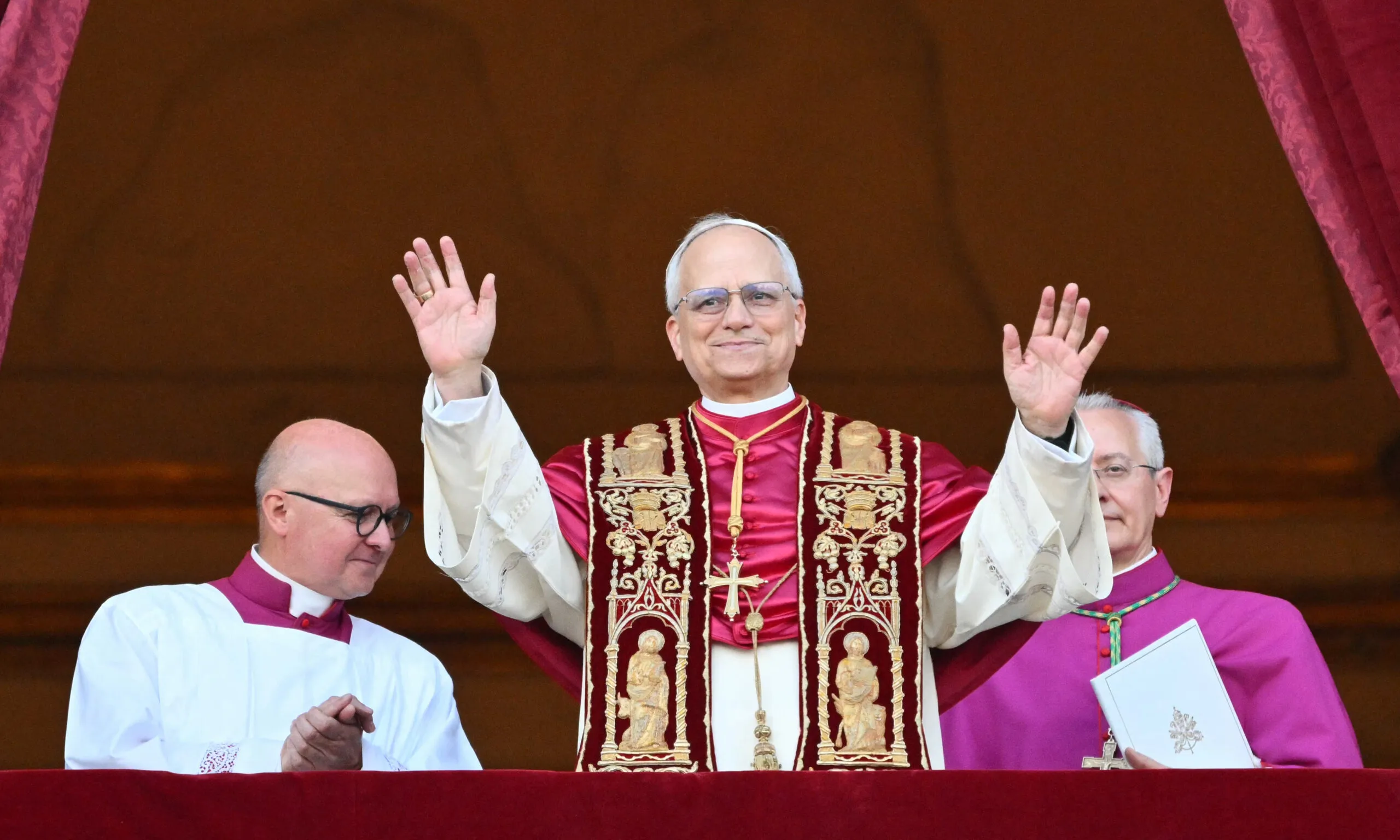
The election of Pope Leo XIV has opened a new chapter for the Catholic Church at a moment of global uncertainty, institutional reflection, and cultural tension. His early public appearances, language choices, and pastoral gestures have been closely watched not for dramatic shifts but for quieter signals of direction and tone. In a Church shaped as much by symbolism as by structure, beginnings matter.
Rather than arriving with sweeping declarations, Pope Leo XIV has emphasized continuity, restraint, and listening. This approach reflects a papacy that appears conscious of recent transitions while seeking to re-anchor the Church’s mission in stability, unity, and spiritual focus. The first weeks of his leadership offer valuable insight into how this new era may unfold.
A Papacy Framed by Pastoral Restraint
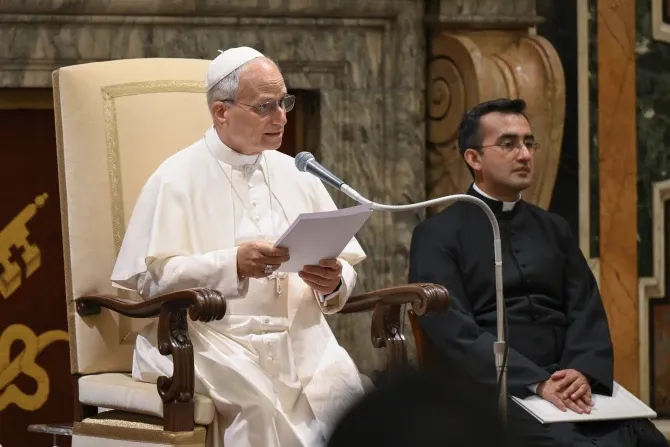
From his first addresses, Pope Leo XIV has adopted a measured and pastoral tone, avoiding personal emphasis and redirecting attention toward shared responsibility within the Church. His homilies have centered on humility, prayer, and service rather than institutional authority, signaling a leadership style that prioritizes spiritual credibility over public visibility. This restraint has been interpreted as a deliberate effort to lower internal tensions and reinforce ecclesial unity.
Equally notable has been his preference for traditional liturgical language and careful theological framing. While not reversing recent developments, his words suggest a renewed attentiveness to clarity in doctrine and reverence in worship. These choices indicate an understanding that stability in faith often begins with consistency in expression.
Early Appointments and Governance Signals
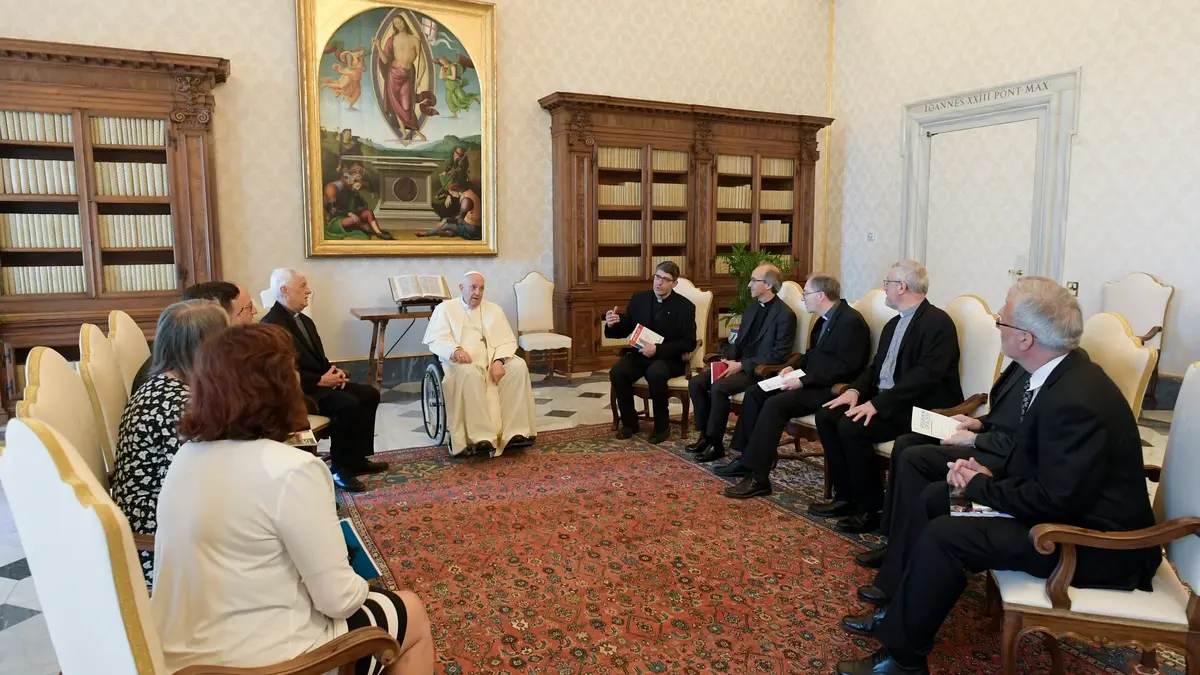
Leadership style is often revealed through appointments, and Pope Leo XIV’s early decisions point toward cautious continuity rather than rapid reform. Initial confirmations within key Vatican offices suggest a desire to maintain institutional memory while assessing longer-term governance needs. This approach reduces disruption and reassures both clergy and diplomats who rely on predictability in Vatican operations.
At the same time, subtle shifts have emerged in advisory roles, particularly in areas related to pastoral outreach and global dialogue. These choices hint at a pope attentive to the Church’s international character, especially in regions where Catholic communities face social pressure or demographic decline. The balance between continuity and adjustment appears intentional.
A Renewed Emphasis on Spiritual Authority
One of the clearest early signals of this papacy is its focus on spiritual authority rather than administrative expansion. Pope Leo XIV has repeatedly framed the Church’s credibility as rooted in witness, moral coherence, and pastoral presence. His messages underscore that influence flows from faithfulness, not alignment with political or cultural power.
This emphasis resonates in a world where religious institutions are frequently judged through secular frameworks. By re-centering discourse on conscience, prayer, and service, the pope is positioning the Church as a moral voice that engages society without becoming absorbed by it. This stance may shape how the Vatican navigates future global debates.
Global Church, Local Realities
Pope Leo XIV has also demonstrated sensitivity to the diverse realities of the global Church. References to suffering communities, migration, and economic inequality appear alongside reminders of shared belief and sacramental life. Rather than prescribing uniform solutions, he has highlighted discernment and subsidiarity, allowing local churches to respond within their cultural contexts.
This approach strengthens communion while respecting diversity. It reflects an understanding that unity does not require uniformity and that effective pastoral leadership listens before it directs. Such framing may define how this papacy engages with bishops, synods, and lay movements in the years ahead.
Conclusion
The early signals of Pope Leo XIV’s pontificate suggest a papal era shaped by restraint, spiritual focus, and careful governance. Without dramatic gestures or abrupt changes, he is establishing a tone that values continuity, clarity, and pastoral depth. As the Church moves forward, these initial choices may prove foundational, setting a steady course for a global institution navigating a complex and rapidly changing world.