


Inside the Vatican After the Transition: What Has Changed Since the New Pontificate Began
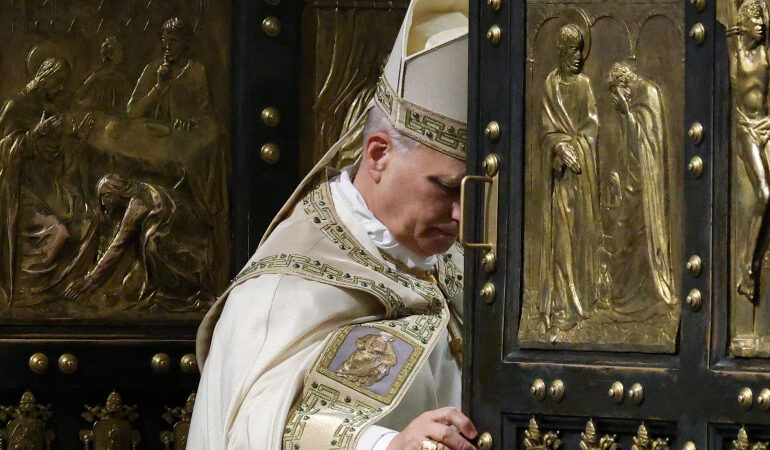

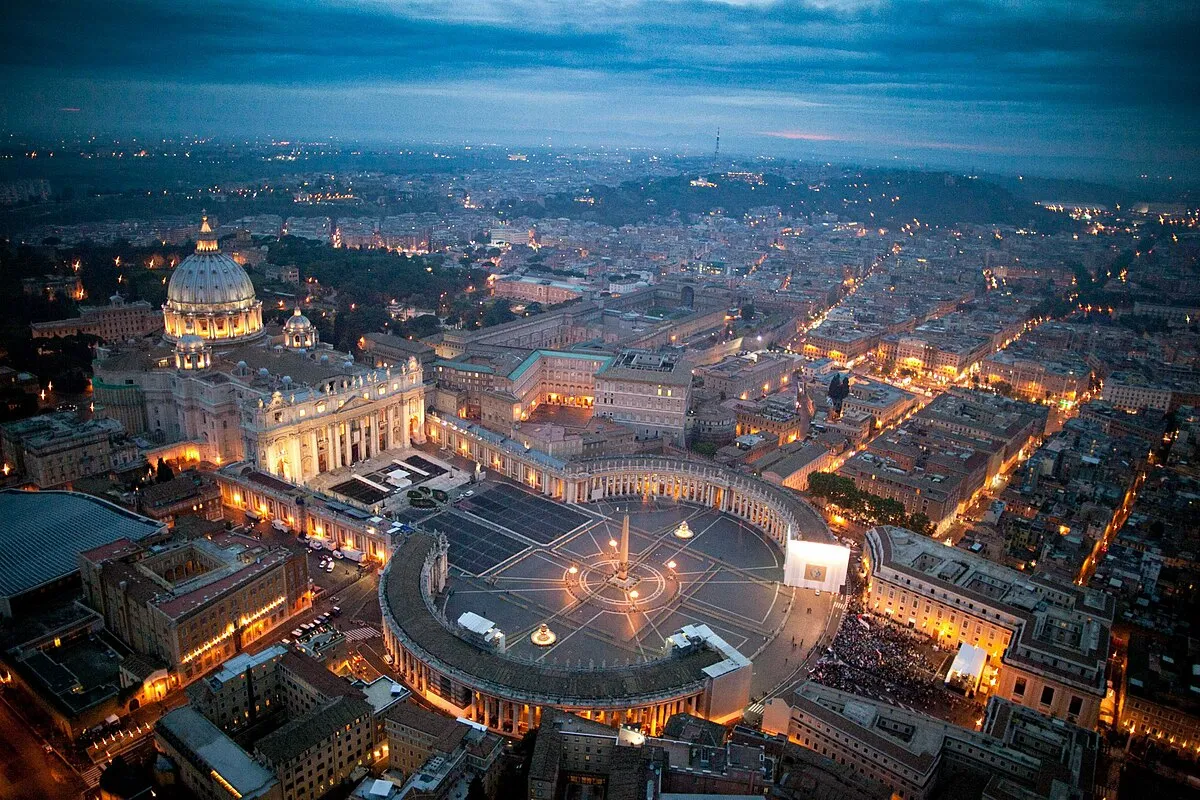
The transition to a new pontificate often reshapes the Vatican in ways that are not immediately visible to the public. Since the election of Pope Leo XIV, attention has focused not on dramatic announcements but on how daily life and decision making inside the Holy See have subtly evolved. These early internal changes offer important clues about the direction of governance and priorities under new leadership.
Rather than signaling a break with the recent past, the Vatican has entered a phase of recalibration. Administrative rhythm, diplomatic posture, and internal coordination have all adjusted quietly, reflecting a leadership style that favors order, reflection, and institutional coherence over rapid transformation.
A Shift in Internal Rhythm and Decision Making
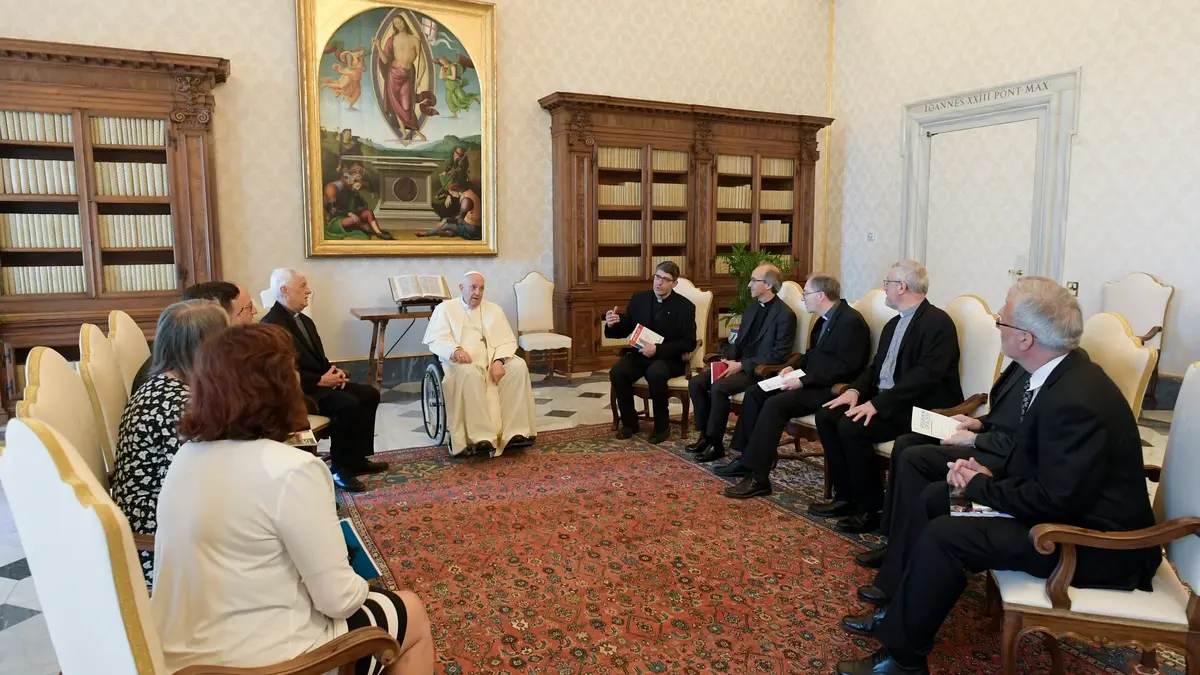
One of the most noticeable changes inside the Vatican has been the pace at which decisions are made. Meetings are reported to be more structured, with clearer agendas and defined follow up. This shift reflects an effort to improve coordination among offices while reducing overlapping authority that has long challenged Vatican governance.
The emphasis appears to be on deliberation rather than urgency. Pope Leo XIV has signaled that careful discernment should guide policy, especially on sensitive global and doctrinal matters. This slower but steadier rhythm reinforces stability and reduces internal friction, particularly within the Roman Curia.
Subtle Reorientation of Vatican Offices
While major personnel changes have been limited, Vatican offices are adjusting their focus. Dicasteries are placing greater emphasis on their core mandates rather than expanding into overlapping areas. This has resulted in clearer communication channels and a renewed sense of institutional responsibility.
The reorientation does not suggest retrenchment, but rather refinement. By encouraging offices to operate within well defined boundaries, the Vatican is strengthening accountability and reducing confusion both internally and in its external messaging.
Diplomacy Marked by Caution and Consistency
Vatican diplomacy has also entered a more measured phase. Since the transition, statements on international affairs have been fewer but more deliberate. The Holy See appears focused on preserving its role as a moral interlocutor rather than reacting to every geopolitical development.
This approach has reinforced consistency in diplomatic engagement. Long standing priorities such as peacebuilding, religious freedom, and humanitarian concern remain central, but they are articulated with restraint. The Vatican’s voice is quieter, yet more concentrated, reinforcing credibility in international forums.
Renewed Emphasis on Institutional Culture
Beyond policy and diplomacy, there is a noticeable effort to reinforce institutional culture within the Vatican. Pope Leo XIV has repeatedly highlighted service, humility, and responsibility as guiding principles for those working within the Holy See. This has influenced internal expectations around conduct and collaboration.
Such emphasis reflects an understanding that governance is not only structural but cultural. By shaping how officials view their roles, the new pontificate is reinforcing a sense of vocation within Vatican service. This cultural recalibration may prove as significant as any formal reform.
Communication Focused on Clarity Over Volume
Communication strategy has also evolved. Vatican messaging now prioritizes clarity and theological precision over frequency. Statements are more concise, carefully framed, and less reactive. This reduces ambiguity and ensures that official positions are clearly understood by both the faithful and the international community.
The change aligns with a broader effort to avoid misinterpretation in a fast moving media environment. By speaking less often but with greater focus, the Vatican is reinforcing authority through precision rather than repetition.
Conclusion
The Vatican after the transition to Pope Leo XIV reflects continuity shaped by careful adjustment. Changes in rhythm, governance focus, diplomacy, and institutional culture reveal a pontificate committed to stability and coherence. While the shifts may appear subtle, they are foundational, setting the tone for a Vatican that values deliberation, clarity, and disciplined service as it navigates the challenges of a complex global landscape.