What Catholics Around the World Expect From the Church After the Papal Transition
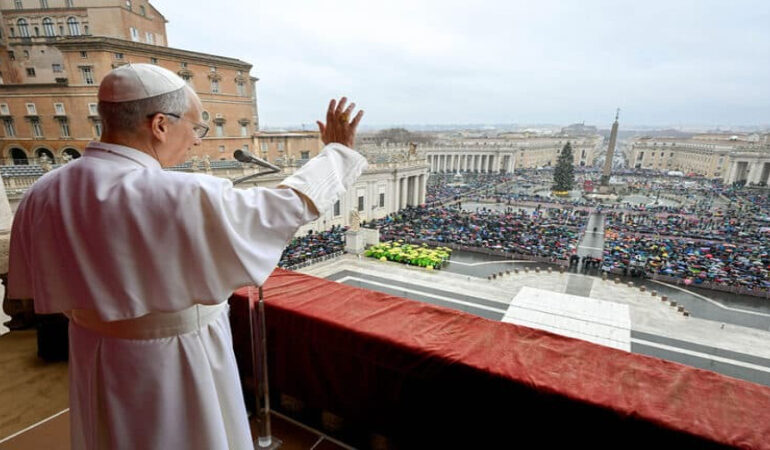

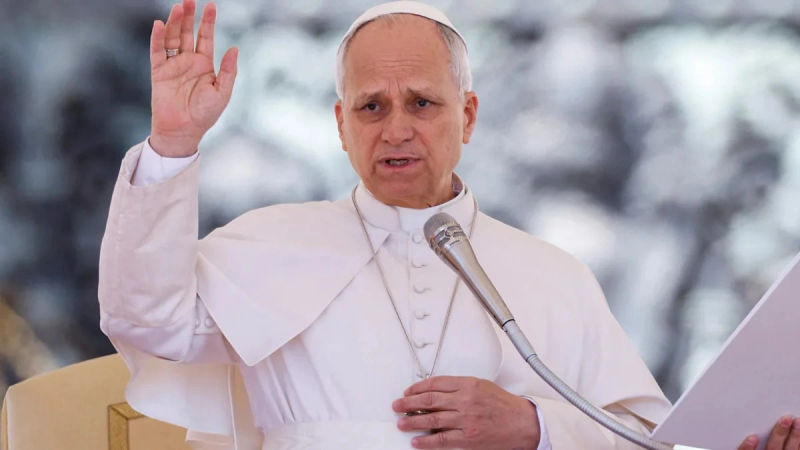
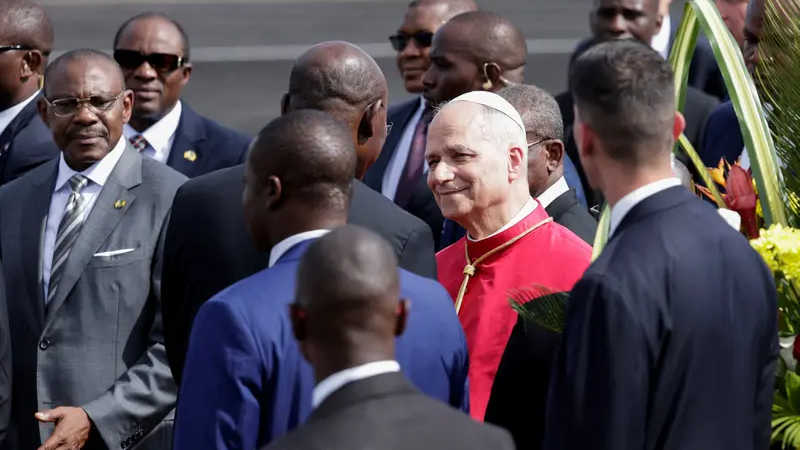
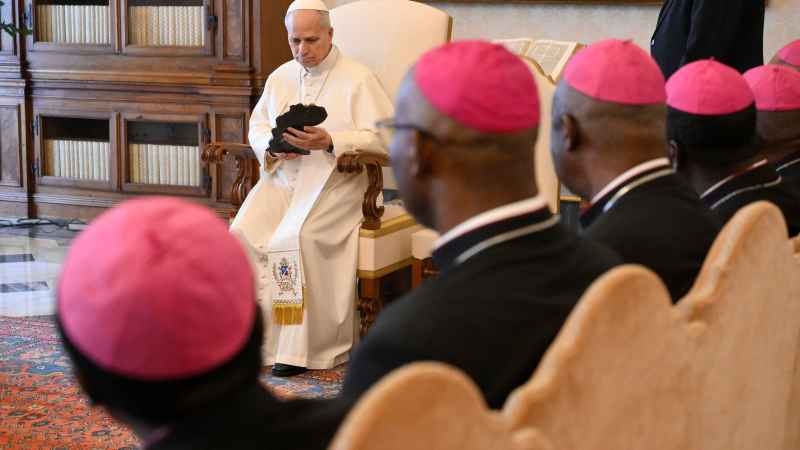
The transition to a new pontificate has prompted reflection across the global Catholic community. With the election of Pope Leo XIV, Catholics are reassessing not only leadership but also the broader direction of the Church in a rapidly changing world. Expectations are shaped by lived experience, cultural context, and the challenges facing local churches on every continent.
Rather than calling for dramatic transformation, many Catholics appear focused on stability, credibility, and spiritual clarity. The period following a papal transition often serves as a mirror, revealing what the faithful value most and what they hope the Church will emphasize as it moves forward.
A Desire for Unity and Stability
Across regions, one of the strongest expectations is unity. Catholics express a desire for a Church that speaks with coherence and avoids internal division. In an era marked by political polarization and cultural fragmentation, many look to the Church as a source of steadiness rather than conflict.
This expectation does not imply uniformity of opinion, but a shared commitment to communion. Catholics often emphasize the importance of leadership that fosters mutual respect among bishops, clergy, and lay faithful. Stability in tone and teaching is widely viewed as essential for rebuilding trust and strengthening identity.
Clarity in Teaching and Moral Guidance
Another recurring expectation is clarity in doctrine and moral guidance. Catholics across generations express concern about confusion, particularly on ethical questions that intersect with modern social debates. Many hope the Church will articulate its teachings clearly while remaining pastorally sensitive.
This desire reflects a broader search for meaning in uncertain times. For many believers, clarity is not about rigidity, but about confidence. Clear teaching provides a framework for personal conscience and communal life, helping Catholics navigate complex moral landscapes without feeling abandoned or uncertain.
A Pastoral Church Close to Daily Life
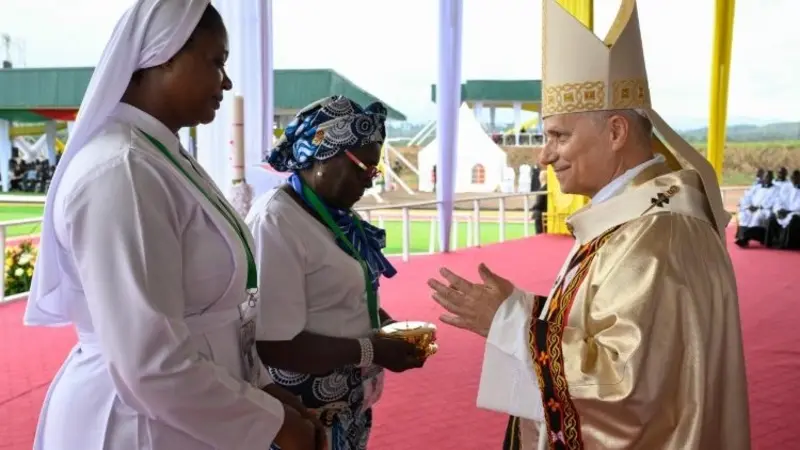
Pastoral presence ranks high among expectations, especially in regions facing economic hardship, migration, or social instability. Catholics often speak of wanting a Church that listens, accompanies, and understands local realities. This includes access to sacraments, attentive clergy, and leadership that values presence over abstraction.
Such expectations highlight the importance of subsidiarity. While global direction comes from Rome, many Catholics emphasize that the Church’s vitality is experienced locally. Support for parish life, clergy formation, and community engagement is seen as a priority that strengthens faith from the ground up.
Accountability and Credibility
Trust remains a central concern. Catholics around the world expect transparency and accountability within Church structures. This expectation is not framed as hostility, but as a desire for integrity that aligns leadership behavior with moral teaching.
Credibility is viewed as foundational to evangelization. Without it, the Church’s voice on social and ethical issues risks being diminished. Many Catholics hope the post transition period will reinforce standards of responsibility and ensure that failures are addressed with honesty and justice.
Global Voice Rooted in Faith
There is also an expectation that the Church will maintain a thoughtful global voice without becoming entangled in partisan politics. Catholics value the Church’s role as a moral witness that transcends national interests. They often express hope that the Vatican will speak on issues such as peace, human dignity, and religious freedom with consistency and restraint.
This expectation reflects an understanding of the Church as universal. Catholics in diverse contexts want their experiences acknowledged while remaining united by shared belief. A global voice grounded in faith rather than ideology is seen as essential to this balance.
Conclusion
After the papal transition, Catholics around the world are not demanding sweeping change but seeking renewal rooted in unity, clarity, and pastoral care. Expectations center on stability, moral guidance, accountability, and a global presence shaped by faith rather than politics. As the Church enters this new chapter under Pope Leo XIV, these shared hopes offer a clear picture of what the faithful value most and where they look for leadership in the years ahead.