Vatican governance reform, Pope Leo XIV leadership, Holy See governance model, Roman Curia structure, Vatican institutional reform, papal administration

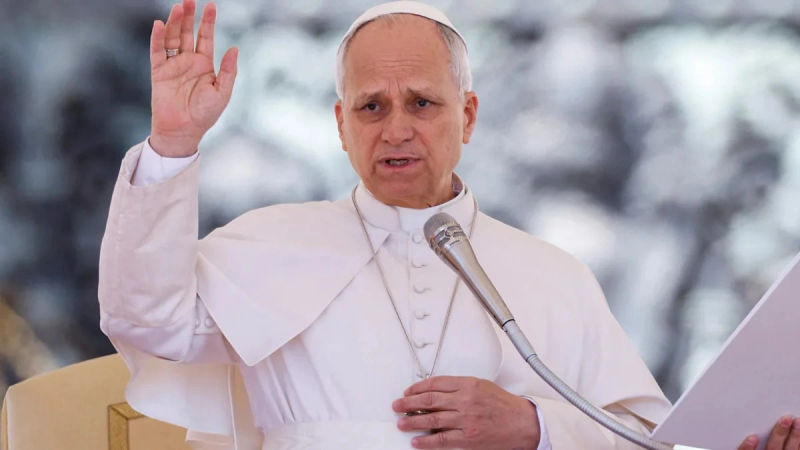
Leadership change in the Vatican often triggers speculation about sweeping reform or institutional upheaval. Following the election of Pope Leo XIV, such expectations have surfaced once again. Yet the reality inside the Holy See suggests a different path, one defined not by revolution but by careful continuity and selective reform.
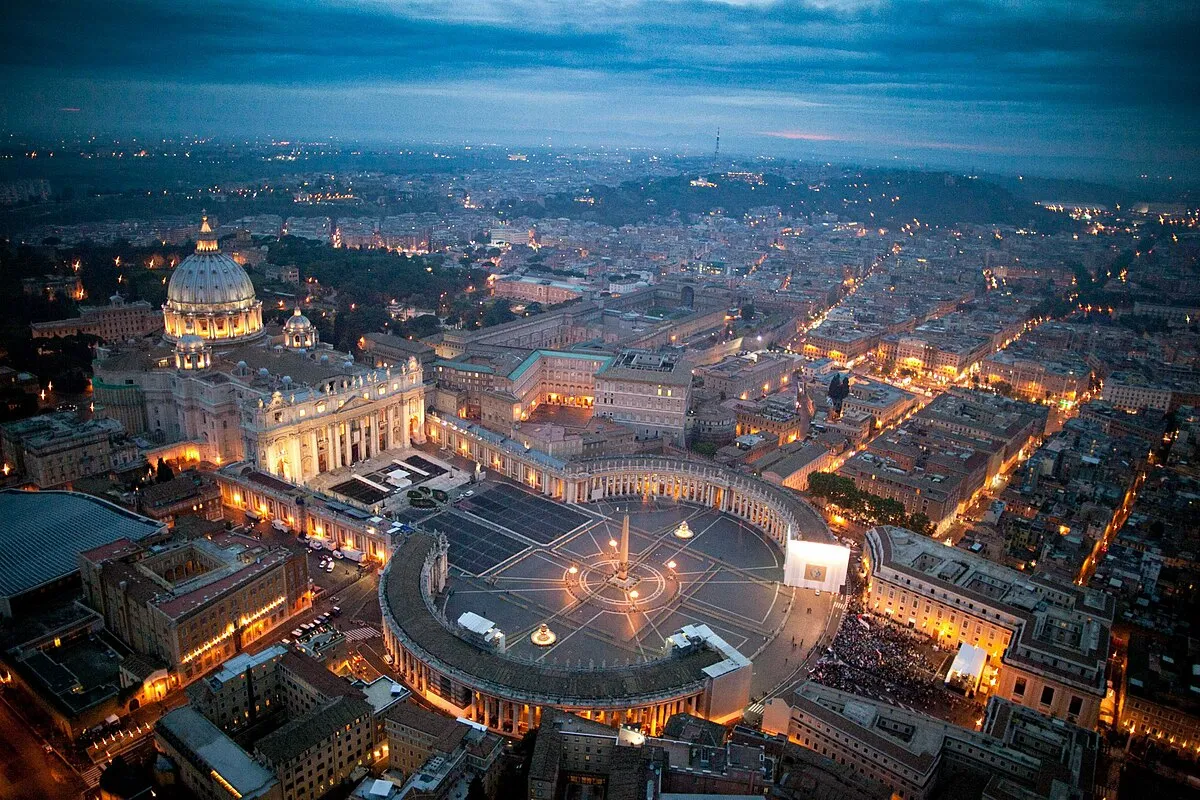
The Vatican’s governance model is built to endure centuries, not election cycles. Under Pope Leo XIV, early signs point to a deliberate effort to strengthen existing structures rather than dismantle them. This approach reflects an understanding that stability itself is a form of reform, especially for a global institution balancing tradition with modern pressures.
The current phase of governance adjustment is less about changing what the Vatican is and more about refining how it functions. This distinction shapes both internal operations and external perception.
Continuity as the Foundation of Governance
The most important feature of Vatican governance after a leadership change is continuity. Pope Leo XIV has shown respect for the institutional framework that supports the Church’s universal mission. Rather than rewriting structures, he has emphasized proper use of existing mechanisms, reinforcing the idea that reform begins with discipline and clarity.
This continuity reassures both clergy and diplomats. It signals that governance remains predictable, anchored in law and tradition. In a Church spread across continents, such predictability is essential for unity and effective coordination.
Continuity does not mean stagnation. Instead, it provides the stable foundation on which meaningful adjustment can occur without creating uncertainty or division.
Reform Through Process, Not Disruption
Reform within the Vatican rarely comes through dramatic announcements. Instead, it unfolds through process. Under the new pontificate, attention has shifted toward improving how decisions are made, communicated, and implemented across Vatican offices.
Clearer mandates for dicasteries, improved coordination, and more defined lines of responsibility are emerging priorities. These changes refine governance without altering its core architecture. The emphasis is on efficiency, accountability, and coherence rather than expansion or contraction.
Such process driven reform often goes unnoticed by the public, yet it has lasting impact. Over time, small adjustments in procedure can significantly improve institutional effectiveness.
The Role of the Roman Curia After Transition
The Roman Curia remains central to Vatican governance, serving as the administrative body that supports the pope’s mission. Under Pope Leo XIV, the Curia is not being repositioned as a center of power but as a service oriented structure.
This perspective reinforces the Curia’s role as an instrument rather than an authority unto itself. Governance flows through collaboration, consultation, and obedience to papal direction. By reaffirming this orientation, the pope strengthens unity between Rome and local churches.
The emphasis on service over control also reflects a broader pastoral vision, ensuring that governance remains aligned with the Church’s spiritual purpose.
Balancing Authority and Consultation
Another defining feature of the post transition governance model is balance. While papal authority remains absolute in principle, its exercise is shaped by consultation. Advisory bodies, episcopal input, and expert counsel continue to inform decision making.
This balance allows the Vatican to benefit from global perspectives without diluting authority. Pope Leo XIV has shown attentiveness to listening processes while maintaining clarity about final responsibility. This approach fosters trust within the institution and encourages honest dialogue.
Consultation is not a substitute for leadership, but a support for it. When properly integrated, it strengthens governance rather than complicates it.
Cultural Reform as Institutional Reform
Beyond structures and procedures, governance reform also involves culture. Pope Leo XIV’s emphasis on humility, service, and responsibility signals an effort to shape how Vatican officials understand their roles.
Cultural reform influences behavior, expectations, and internal relationships. When officials view governance as service rather than status, institutional effectiveness improves. This cultural dimension is often slower to develop but more enduring than formal policy changes.
By modeling restraint and discernment, the pope sets a tone that gradually reshapes institutional culture from within.
Why Revolution Is Rare in Vatican Governance
The Vatican’s resistance to revolution is intentional. Sudden structural change risks fragmentation in a global Church. Incremental reform preserves unity while allowing adaptation.
Under Pope Leo XIV, this philosophy is clearly evident. Reform is pursued through patience, consultation, and respect for tradition. This method reflects centuries of institutional learning about how lasting change occurs.
Conclusion
The Vatican’s governance model after leadership change under Pope Leo XIV reflects reform without revolution. Through continuity, process driven adjustment, and cultural refinement, the Holy See is strengthening its ability to govern effectively. Rather than dramatic transformation, this measured approach ensures stability, coherence, and long term credibility for an institution tasked with serving a global Church in a complex world.