
Papal Transitions in History: Why This Moment Feels Different for the Church

Papal transitions have always been pivotal moments in the life of the Catholic Church. Each change of leadership brings with it a mix of continuity, uncertainty, and reflection, shaped by the historical context of the time. From eras of geopolitical upheaval to periods of internal reform, transitions have often revealed as much about the world as they do about the Church itself.
The current transition, following the election of Pope Leo XIV, is unfolding in circumstances unlike many before it. While the rituals remain familiar, the global environment in which this pontificate begins is marked by rapid cultural change, institutional skepticism, and profound questions about authority and belief. These factors contribute to a sense that this moment carries a different weight in Church history.
A Transition Shaped by a Fragmented World
Historically, papal transitions often occurred within relatively stable cultural frameworks, even when political tensions were high. Today’s transition takes place in a fragmented global landscape where shared moral reference points are increasingly rare. This context places unique expectations on the Church’s leadership at the very outset of a new pontificate.
The Church is no longer addressing a world that broadly understands its language or assumptions. Instead, it speaks to societies marked by pluralism, skepticism, and competing narratives of meaning. This reality shapes how a papal transition is perceived, making the initial signals of leadership particularly significant.
Comparing Past Transitions to the Present Moment
Looking back, many papal transitions were defined by clear historical challenges such as war, ideological conflict, or institutional reform. While today’s Church still faces political and social pressures, the nature of the challenge has shifted. The central issue is less about opposition from external powers and more about relevance, credibility, and trust.
Previous transitions often unfolded with a sense of inevitability, rooted in long standing cultural authority. The present moment lacks that automatic deference. As a result, the election of a new pope carries heightened symbolic importance, as it must reassure the faithful while engaging a skeptical wider world.
The Weight of Institutional Memory
The Vatican brings centuries of institutional memory to every transition. This memory shapes how change is managed and how continuity is preserved. In the current transition, there is a clear effort to draw from this deep historical experience while recognizing that past solutions may not always fit present conditions.
Institutional memory provides stability, but it can also highlight how different today’s context is. The Church is navigating a transition not only of leadership but of era, moving further into a world defined by speed, transparency, and constant scrutiny.
The Role of Ritual in a Changed Era
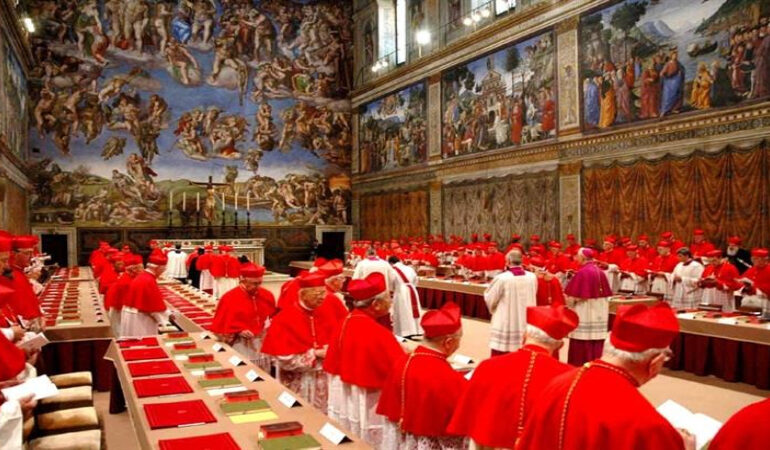
Ritual has always been central to papal transitions, serving as a visible expression of continuity. The familiar ceremonies surrounding the election of a new pope connect the present to centuries of tradition. Yet the way these rituals are received has changed.
In a digital age, these moments are instantly global, interpreted through diverse cultural lenses. While ritual still anchors the Church in history, it now functions within a media environment that amplifies both reverence and criticism. This dynamic adds a new layer to how transitions are experienced and understood.
Why Expectations Feel Higher Than Before
One reason this transition feels different is the weight of expectation placed on leadership from the very beginning. Catholics and observers alike look for immediate signals of direction, tone, and governance style. Patience, once assumed, is now in shorter supply.
This heightened expectation reflects broader societal patterns. Institutions are expected to explain themselves constantly and respond quickly. For the Church, this creates tension between its deliberate pace and the demands of the modern world. Navigating this tension is one of the defining challenges of the current transition.
Continuity Amid Historical Change
Despite these differences, papal transitions still serve the same fundamental purpose. They reaffirm the continuity of the Church’s mission across time. While circumstances change, the core function of a transition remains the same: to ensure stable leadership grounded in faith and tradition.
The current moment feels different not because the Church has abandoned its history, but because that history is being carried into a world unlike any before it. This continuity amid change defines the significance of the present transition.
Conclusion
Papal transitions have always marked turning points, but the current moment stands out due to the cultural, institutional, and global context in which it unfolds. As the Church enters a new chapter under Pope Leo XIV, history provides both perspective and caution. This transition feels different because the world is different, yet the enduring purpose of leadership, continuity, and faith remains unchanged.