
New Archbishop Named for Cape Town as Vatican Signals Continuity
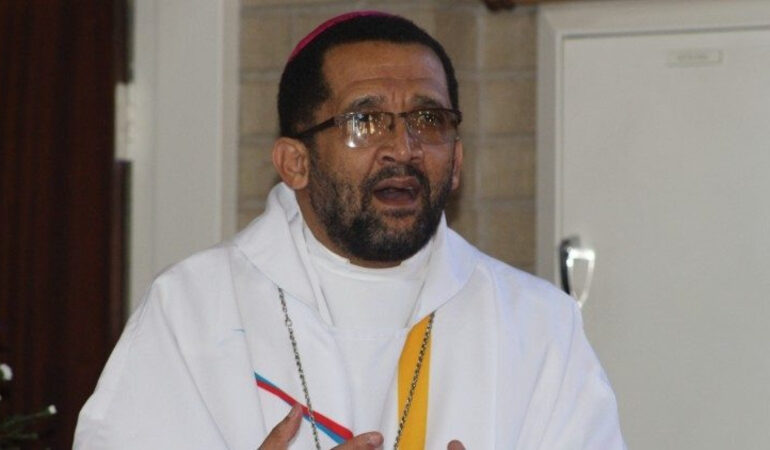

The appointment of Bishop Sithembele Anton Sipuka as Archbishop of Cape Town marks an important moment for the Catholic Church in Southern Africa, reflecting a broader emphasis on pastoral leadership rooted in dialogue and social responsibility. The decision, formally announced on January 9, places one of the region’s most experienced church leaders at the helm of one of its most influential archdioceses. Bishop Sipuka succeeds a period of interim administration following leadership changes elsewhere in the South African hierarchy, bringing a sense of stability and direction at a time when the Church continues to navigate social division and economic strain. His elevation comes as the Church in Africa plays an increasingly visible role in addressing issues that extend beyond ecclesial life into public ethics, governance, and reconciliation.
Bishop Sipuka’s path to Cape Town has been shaped by decades of pastoral and institutional leadership within South Africa. Ordained a priest in the late 1980s, he later emerged as a formative figure in priestly education through his work at the national seminary, influencing generations of clergy. His episcopal ministry in the Eastern Cape placed him at the center of communities facing persistent inequality, unemployment, and fragile social cohesion. Over time, his leadership extended well beyond diocesan boundaries, positioning him as a national and continental voice within the Church. These experiences have contributed to his reputation as a figure capable of bridging local pastoral realities with broader structural and ethical concerns.
On the continental stage, Bishop Sipuka has been deeply involved in episcopal cooperation across Africa, particularly through his long service with regional and continental church bodies. His work has consistently focused on justice, peace, and responsible governance, themes that resonate strongly in societies marked by political transition and social pressure. Within South Africa, his leadership has also carried ecumenical weight, including service within structures that bring together Christian communities across denominational lines. His appointment to national dialogue initiatives in recent years further underscored the trust placed in him as a mediator and moral voice capable of contributing to conversations about the country’s future beyond strictly religious contexts.
As he assumes leadership of the Archdiocese of Cape Town, Bishop Sipuka does so with international exposure and experience within the Vatican’s structures for interreligious engagement. His new role places him at the intersection of faith, public life, and social witness in a city shaped by deep historical contrasts and ongoing inequality. The appointment reflects continuity with the Church’s emphasis on synodality and engagement with the margins, while also signaling confidence in leadership that is outward looking and grounded in dialogue. For Catholics in the region, the transition represents both stability and an expectation that the Church will continue to speak with moral clarity in a complex social landscape.