
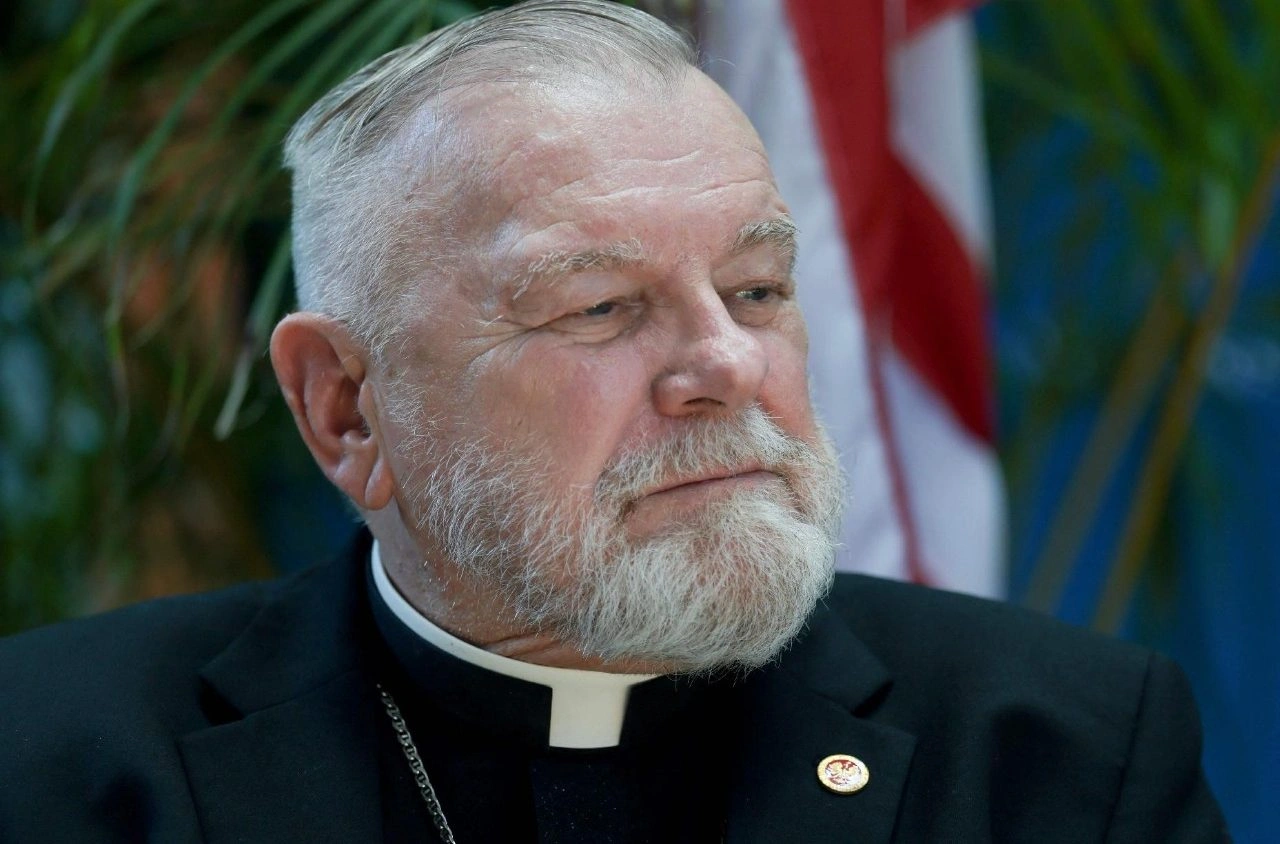
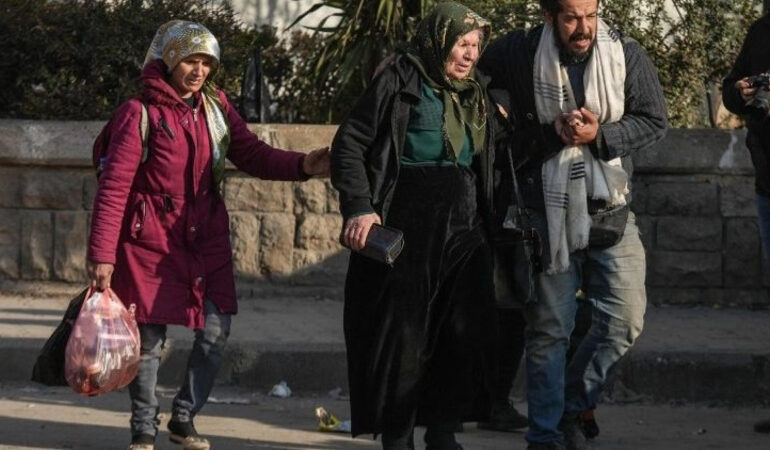

Renewed fighting in Aleppo has deepened fears of another cycle of displacement in a city already scarred by more than a decade of war. Bishop Hanna Jallouf, the Vicar Apostolic of Aleppo, has warned that the situation on the ground is rapidly deteriorating as clashes resume between Syrian government forces and the Syrian Democratic Forces in Kurdish majority districts. Speaking from the city, the bishop described a climate of fear and instability that has returned to neighborhoods struggling to recover from years of violence. Civilian casualties have been reported alongside widespread injuries, while tens of thousands of residents have fled their homes in a matter of days. Curfews and evacuation orders in several districts have disrupted daily life and raised concerns that a fragile calm could collapse into prolonged confrontation.
The escalation has unfolded against a backdrop of unresolved political and military tensions, with local residents once again caught between competing forces. According to accounts shared by church leaders, images circulating online show bodies left in the streets, underscoring the severity of the clashes. The renewed violence has placed additional strain on communities that have yet to rebuild basic security and trust. For many families, the return of armed conflict has revived memories of earlier phases of the war, when displacement became a permanent reality rather than a temporary emergency. The bishop has stressed that after fourteen years of conflict, the population is exhausted and in urgent need of stability rather than further upheaval.
Church institutions have responded quickly to the humanitarian needs created by the latest fighting. Christian communities in Aleppo have opened multiple shelters to accommodate those forced to flee, working alongside other religious groups to provide emergency relief. Temporary accommodation has been set up in church facilities, including educational and pastoral buildings, while additional support has been offered in the form of blankets and essential supplies. Similar efforts have been undertaken by other Christian denominations and by Muslim communities, reflecting a shared response to the crisis across religious lines. Thousands of displaced people have already found refuge through these initiatives, while others have sought shelter with relatives or in private homes.
Bishop Jallouf has framed the response not only as humanitarian action but as a moral responsibility to remain present with those who suffer. He has appealed for an end to violence and warned against further displacement in a country where millions already live in exile. His remarks reflect broader concerns about Syria’s future, where repeated cycles of conflict continue to undermine hopes for lasting peace. For Aleppo, the renewed clashes represent more than a local security incident, serving instead as a reminder that without durable political solutions, the risk of humanitarian collapse remains ever present. The bishop’s call is for peace, courage, and an end to fear in a city that has already paid a heavy price.