
Pilgrimage at Jordan River Renews Call for Peace in the Holy Land
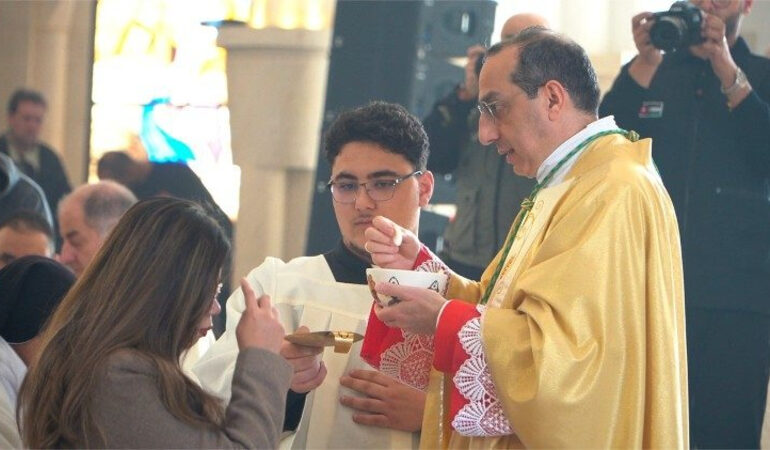

Catholics from across Jordan gathered on January 9 at Bethany Beyond the Jordan to mark the Feast of the Baptism of the Lord with a Mass that carried strong spiritual and regional significance. The annual pilgrimage brought together faithful from parishes throughout the country at the site traditionally identified as the place where Jesus was baptized. More than five thousand people took part in the liturgy, reflecting both continuity and resilience at a time when the wider region remains affected by conflict and uncertainty. The gathering transformed the banks of the Jordan River into a place of collective prayer, with participants expressing a shared desire for peace rooted in faith rather than politics. The presence of diplomatic representatives and multiple Eastern Catholic communities underlined the event’s international and ecclesial dimension.
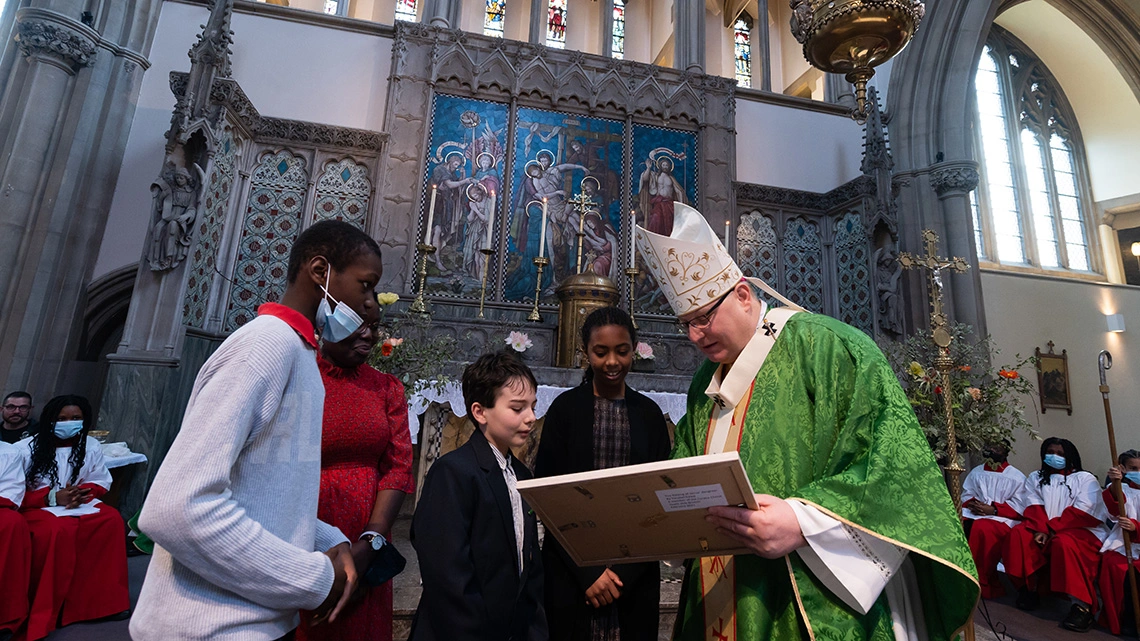
The Mass was celebrated at the Church of the Baptism of the Lord, located on the eastern bank of the Jordan River and inaugurated last year as a permanent place of worship and pilgrimage. Representatives of the Melkite Greek, Maronite, Chaldean, Syriac, and Armenian Catholic Churches joined the celebration, reflecting the diversity of Christian traditions present in the region. The liturgy was presided over by Bishop Iyad Twal, Latin Patriarchal Vicar for Jordan, with the Apostolic Nuncio to Jordan concelebrating. A particularly symbolic moment came when the faithful were sprinkled with holy water drawn from the Jordan River itself, connecting the ritual directly to the biblical memory of Christ’s baptism and reinforcing the spiritual identity of the site.
Prayers during the celebration focused strongly on peace in the Holy Land, with special attention given to Palestine and Gaza. In remarks shared ahead of the Mass, Bishop Twal described the baptism site as a place marked by holiness and welcome, capable of carrying the hopes of a wounded region. He conveyed greetings from the Latin Patriarch of Jerusalem and shared reflections from recent pastoral encounters that emphasized the longing for a new beginning after prolonged suffering. The prayers offered along the river were framed as an appeal for a peace that is lasting, just, and comprehensive, extending beyond borders to embrace all communities living in the land associated with the origins of Christianity.
Beyond its immediate liturgical meaning, the pilgrimage also carried a message directed outward to the wider world. Church leaders used the occasion to invite pilgrims to return to the Holy Land and Jordan, presenting pilgrimage as both an act of faith and a sign of solidarity with local Christian communities. The event was organized in cooperation with national and local authorities, highlighting the role of religious heritage in cultural and social life. In a region often defined by tension, the gathering at Bethany Beyond the Jordan stood as a reminder of the enduring connection between place, prayer, and hope, rooted in a tradition that continues to draw believers together despite ongoing challenges.