
Pope Signals Shift Toward Collective Governance With Annual Cardinal Meetings
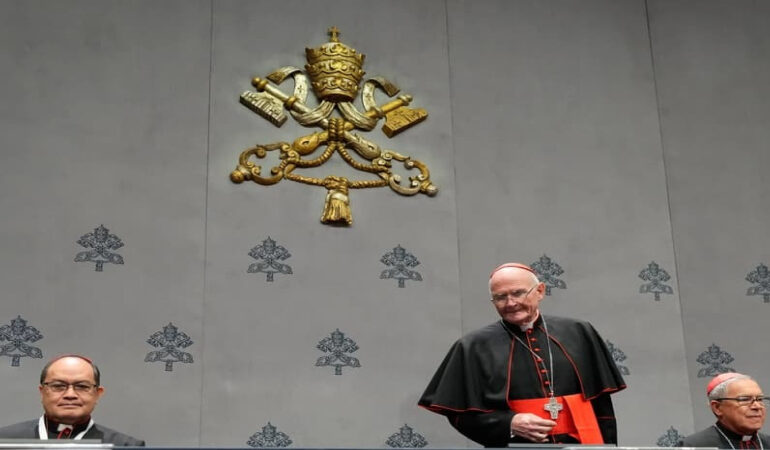

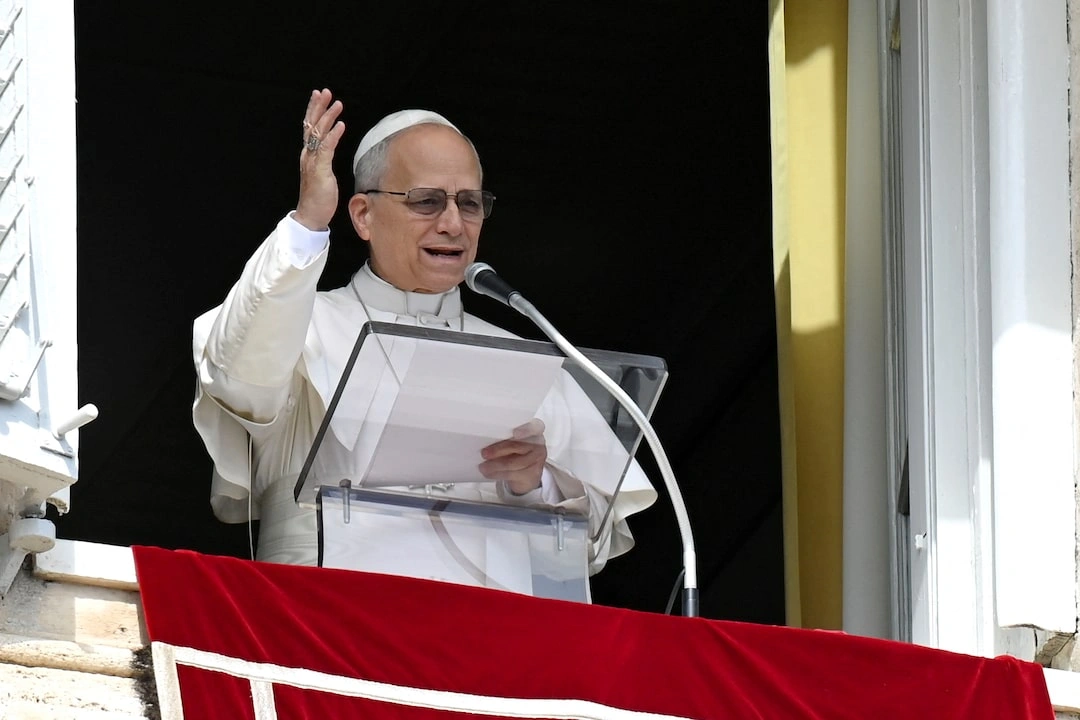
Pope Leo XIV has signaled an early shift in how the Catholic Church may be governed by announcing plans to convene the world’s cardinals on a regular annual basis. The indication came at the conclusion of his first extraordinary consistory, held in Rome just days after the close of the Jubilee Year, a moment widely seen as the practical beginning of his pontificate. Addressing members of the College of Cardinals, the Pope asked them to return to Rome for another meeting at the end of June and expressed his intention to establish yearly gatherings lasting several days. The move suggests a governing approach that places greater emphasis on consultation, shared discernment, and collective responsibility among the Church’s senior leadership, responding to longstanding concerns about limited avenues for broad collegial input.
The proposed annual meetings would bring together cardinals from across continents, many of whom rarely have opportunities to meet as a full body. Vatican officials indicated that the next session is expected to take place in late June, ahead of major liturgical celebrations, setting a rhythm that could become a fixed feature of the papal calendar. The decision contrasts with recent practice, when consistories were infrequent and governance relied more heavily on smaller advisory structures. By prioritizing regular assemblies of the College of Cardinals, the Pope appears to be restoring an institutional forum for discussion on major pastoral, doctrinal, and administrative challenges facing the global Church, without framing the meetings as legislative bodies.
The announcement follows feedback voiced by cardinals in the period leading up to the conclave that elected Pope Leo XIV. Many had expressed frustration at feeling distant from decision making processes and insufficiently informed about the wider Church beyond their own regions. For cardinals from smaller or more remote dioceses, the lack of regular interaction with peers was also seen as weakening mutual understanding and collaboration. The new approach is widely interpreted as a response to those concerns, signaling that the Pope intends to listen to the collective voice of the College rather than govern primarily through a limited circle of advisers.
While details about the agenda and scope of future meetings remain undefined, the gesture itself carries symbolic weight. It suggests a pontificate attentive to institutional balance and the role of the College of Cardinals not only as electors of a pope but as ongoing collaborators in the life of the Church. Whether the annual gatherings will shape concrete policy or remain consultative in nature remains to be seen. Nonetheless, the decision marks an early indication of tone and method under Pope Leo XIV, pointing toward a leadership style that favors structured dialogue and shared reflection at the highest levels of Church governance.