


Inside the Vatican’s Quiet Reordering of Internal Departments in 2026


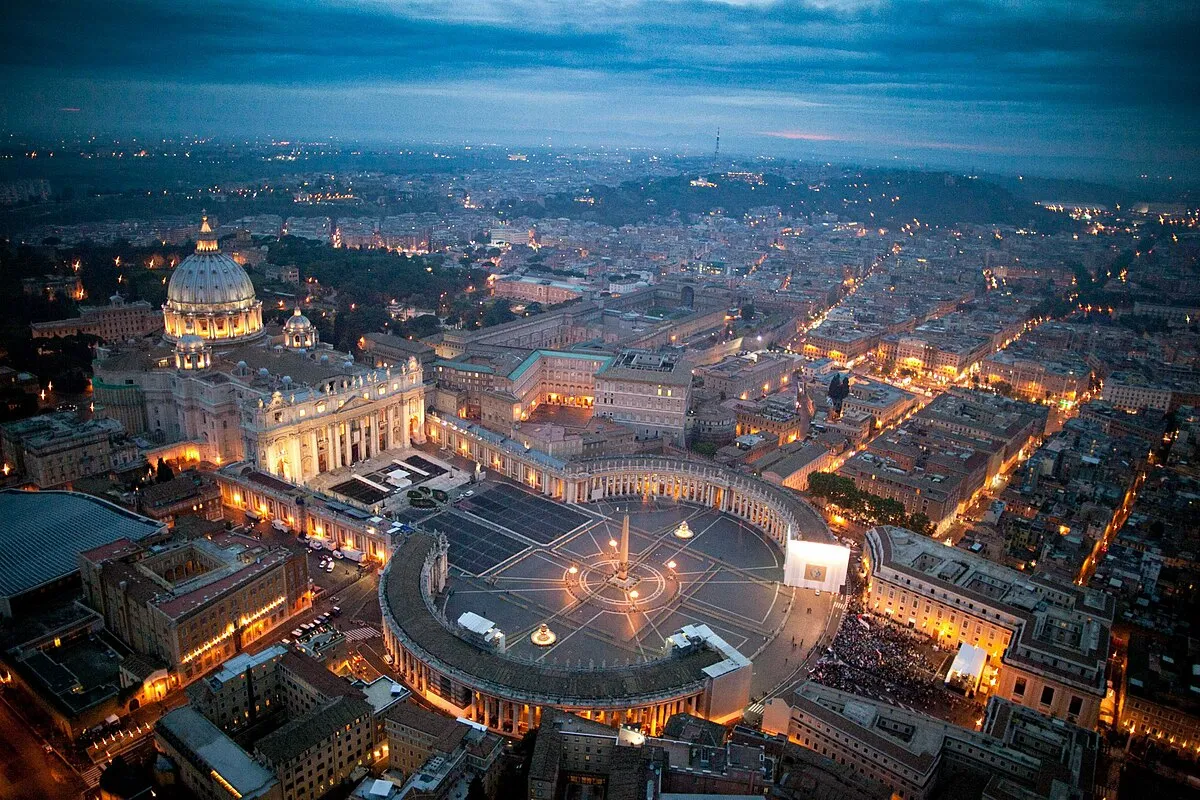
In 2026, the Vatican is undergoing a phase of internal adjustment that has attracted little public attention but carries long term institutional significance. Rather than announcing sweeping reforms, the Holy See has focused on reorganizing internal departments in a measured and deliberate manner. These changes reflect an effort to improve efficiency while preserving continuity within the Church’s governance structure.
Unlike highly visible reforms of the past, the current reordering is unfolding largely behind the scenes. The emphasis is not on reshaping doctrine or redefining authority but on refining how the Vatican operates day to day. For observers of Church governance, these subtle shifts offer insight into how the institution adapts without destabilizing itself.
Why the Vatican Is Prioritizing Administrative Efficiency
The primary driver behind the 2026 reordering is administrative clarity. Over time, overlapping responsibilities among departments have created inefficiencies that slow decision making. By redefining internal roles and streamlining reporting lines, the Vatican aims to improve coordination across its central offices.
This focus on efficiency reflects broader challenges facing the global Church. As responsibilities expand across diplomacy, charity, communications, and internal governance, administrative complexity increases. The Vatican’s response has been to simplify processes rather than expand bureaucracy.
Importantly, these adjustments are designed to support long term governance rather than produce immediate public outcomes. The emphasis remains on functionality, stability, and institutional memory.
Subtle Structural Changes Within the Curia
The reordering does not involve dramatic closures or the creation of entirely new bodies. Instead, it centers on reassessing how existing departments interact. Some offices have seen their mandates clarified, while others have been encouraged to coordinate more closely on shared responsibilities.
This approach reflects an understanding that institutional culture matters as much as formal structure. By avoiding abrupt changes, the Vatican reduces internal resistance and preserves continuity among senior officials. Adjustments are implemented gradually, allowing departments to adapt organically.
Observers note that such changes are often more effective precisely because they are understated. Incremental reordering can reshape workflows without triggering institutional disruption.
Behind the Scenes Decision Making
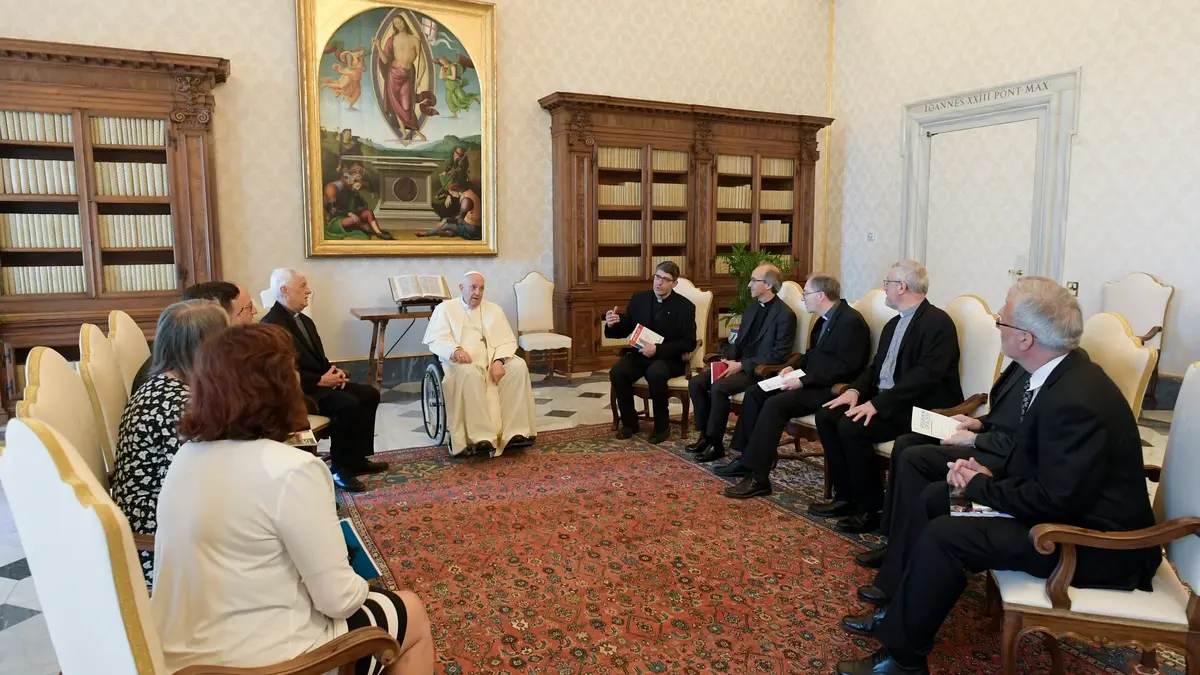
Much of the current reorganization is taking place through internal directives rather than public announcements. This reflects the Vatican’s traditional preference for discretion in governance matters. Decisions are typically informed by internal assessments and consultations rather than external pressure.
Senior officials play a key role in translating structural adjustments into daily practice. Their ability to align staff and processes determines whether reordering achieves its intended goals. As a result, leadership continuity within departments remains a priority.
This behind the scenes approach also allows the Vatican to correct inefficiencies without inviting unnecessary scrutiny. By limiting public messaging, the focus stays on implementation rather than perception.
What This Means for Vatican Governance Long Term
The 2026 reordering signals a governance philosophy centered on refinement rather than transformation. The Vatican appears committed to strengthening its internal capacity to manage global responsibilities effectively. Administrative clarity is viewed as essential to maintaining credibility and coherence.
These changes also suggest an awareness of future challenges. As the Church navigates complex global issues, efficient internal coordination becomes increasingly important. The current adjustments lay groundwork for more responsive governance without altering foundational structures.
For historians and analysts, this period may later be seen as a quiet but consequential phase. Institutional durability often depends more on internal alignment than on public reform.
Conclusion
The Vatican’s internal reordering in 2026 reflects a strategic focus on efficiency, clarity, and continuity. By making measured adjustments behind the scenes, the Church strengthens its governance without disrupting its institutional rhythm. While largely unnoticed by the public, these changes play a vital role in sustaining the Vatican’s ability to function effectively in a complex global environment.