
UNRWA Chief Warns of Gaza Collapse After Vatican Meeting
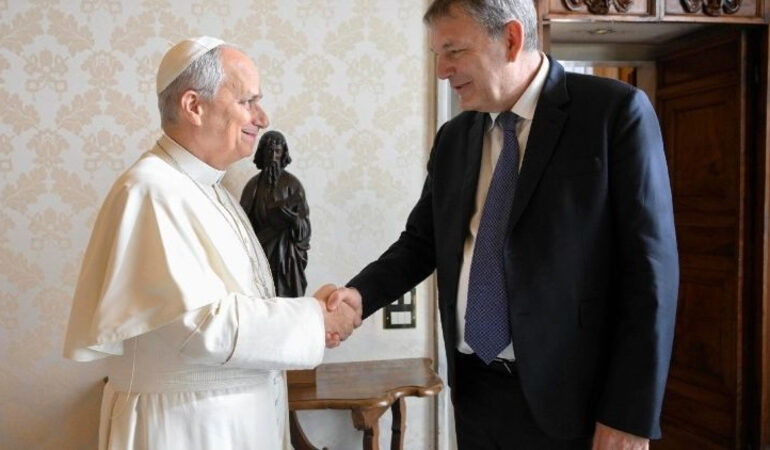

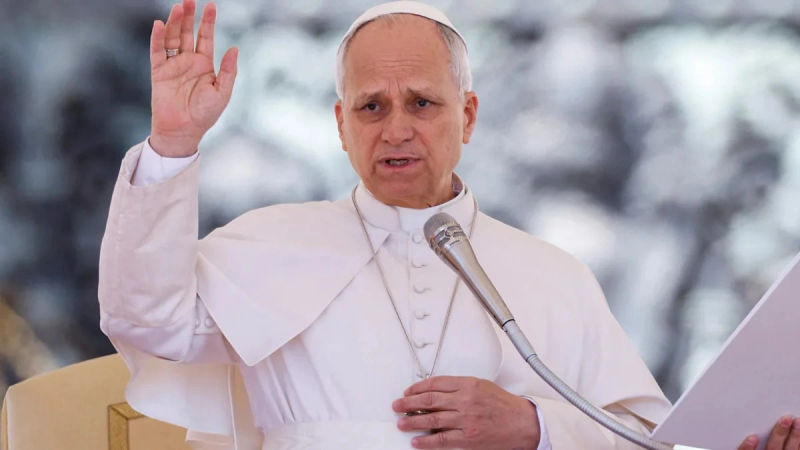
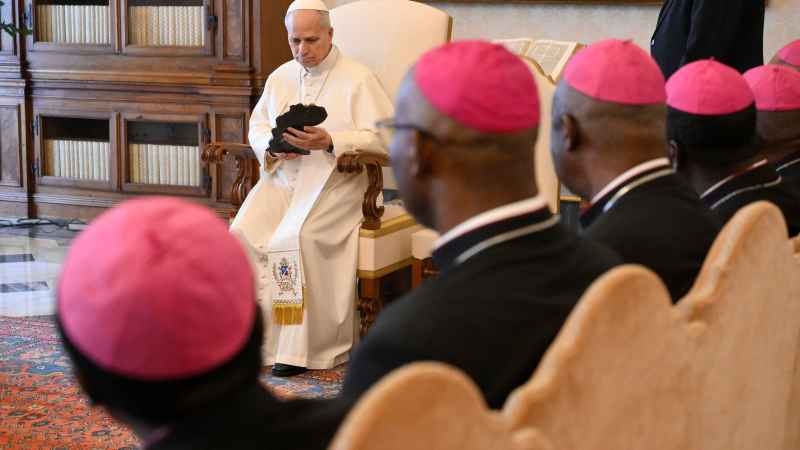
The humanitarian crisis in Gaza and the wider Palestinian territories was the focus of a Vatican meeting between Pope Leo XIV and Philippe Lazzarini, head of the United Nations Relief and Works Agency for Palestine Refugees. Speaking after the audience, Lazzarini described an emergency marked not only by destruction but by growing global indifference. The discussion centered on the consequences of restricting UNRWA’s operations at a moment when Gaza, the West Bank, and East Jerusalem face deepening instability. Lazzarini stressed that without a functioning humanitarian alternative or empowered Palestinian institutions, preventing the agency from operating would leave millions without education, health care, or basic services. The meeting highlighted the Vatican’s concern that humanitarian collapse would extend far beyond immediate suffering, carrying long term consequences for regional stability and human dignity.
Lazzarini explained that UNRWA was established more than seventy years ago as a temporary response, intended to bridge a political process that never materialized. Its continued existence, he argued, reflects the failure of the international community to resolve the conflict rather than institutional stagnation. Over time, the agency has evolved into a provider of essential public services normally supplied by a state, particularly education and primary health care. These services have offered a measure of normalcy in environments shaped by displacement, blockade, and restricted livelihoods. While dependency has increased as conditions worsened, education has remained a source of pride and hope for Palestinian refugees. Lazzarini emphasized that schooling has endured even as land, homes, and security were lost, preserving a sense of future possibility amid prolonged uncertainty.
That hope is now under severe strain. Lazzarini described a generation of children in Gaza who have lived through nearly two years of sustained destruction, loss, and trauma. Many have lost family members, suffered injuries, or seen their communities reduced to rubble. Teaching children principles such as human dignity and universal rights has become painfully difficult when those same rights appear absent from their lived experience. Despite the challenges, he insisted that education cannot be postponed until reconstruction begins. Delaying learning, he warned, risks producing a lost generation, with consequences that would echo far beyond Gaza. Restoring learning environments now is essential not only for recovery but to prevent future cycles of radicalization born from despair and exclusion.
The crisis is compounded, Lazzarini said, by decisions from donor states that express concern for civilians while limiting or suspending funding to UNRWA. Humanitarian assistance, he stressed, must extend beyond food to include shelter, vaccines, clean water, and education, services that UNRWA uniquely provides at scale. While reduced violence under ceasefire conditions has eased some pressures, deprivation and restrictions persist. He also highlighted the role of journalists in countering disinformation, noting that international reporters remain barred from Gaza while local journalists face deadly risks. In this context, the Church’s support carries particular weight, offering solidarity to a population that feels abandoned and reinforcing the need to protect humanitarian space as a foundation for any future peace.