Nicaragua Releases Political Prisoners After External Pressure
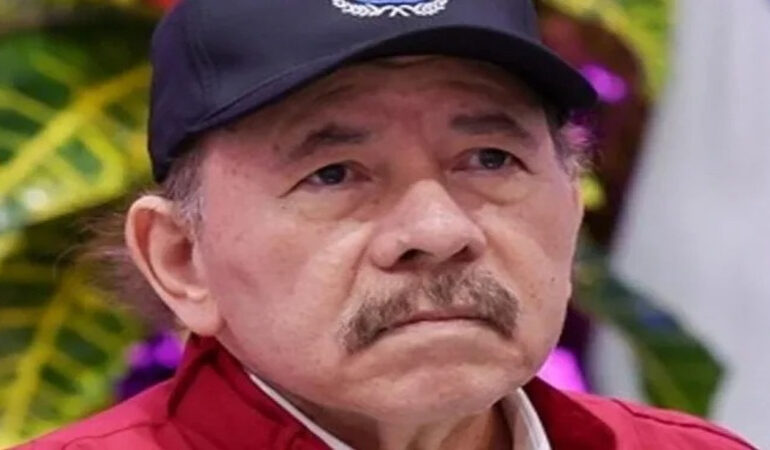

The government of Nicaragua has announced the release of dozens of detainees from its national prison system, a move that followed public pressure from the United States and coincided with the anniversary of President Daniel Ortega’s prolonged rule. In a brief statement, authorities confirmed that a number of individuals had returned to their homes and families, though no comprehensive list or legal explanation was provided. Independent confirmation from relatives and local media indicated that opposition figures, civic activists, and a Protestant pastor were among those freed. The releases occurred amid heightened regional scrutiny of authoritarian governments following recent developments elsewhere in Latin America, contributing to renewed attention on Nicaragua’s human rights record and long running political repression.
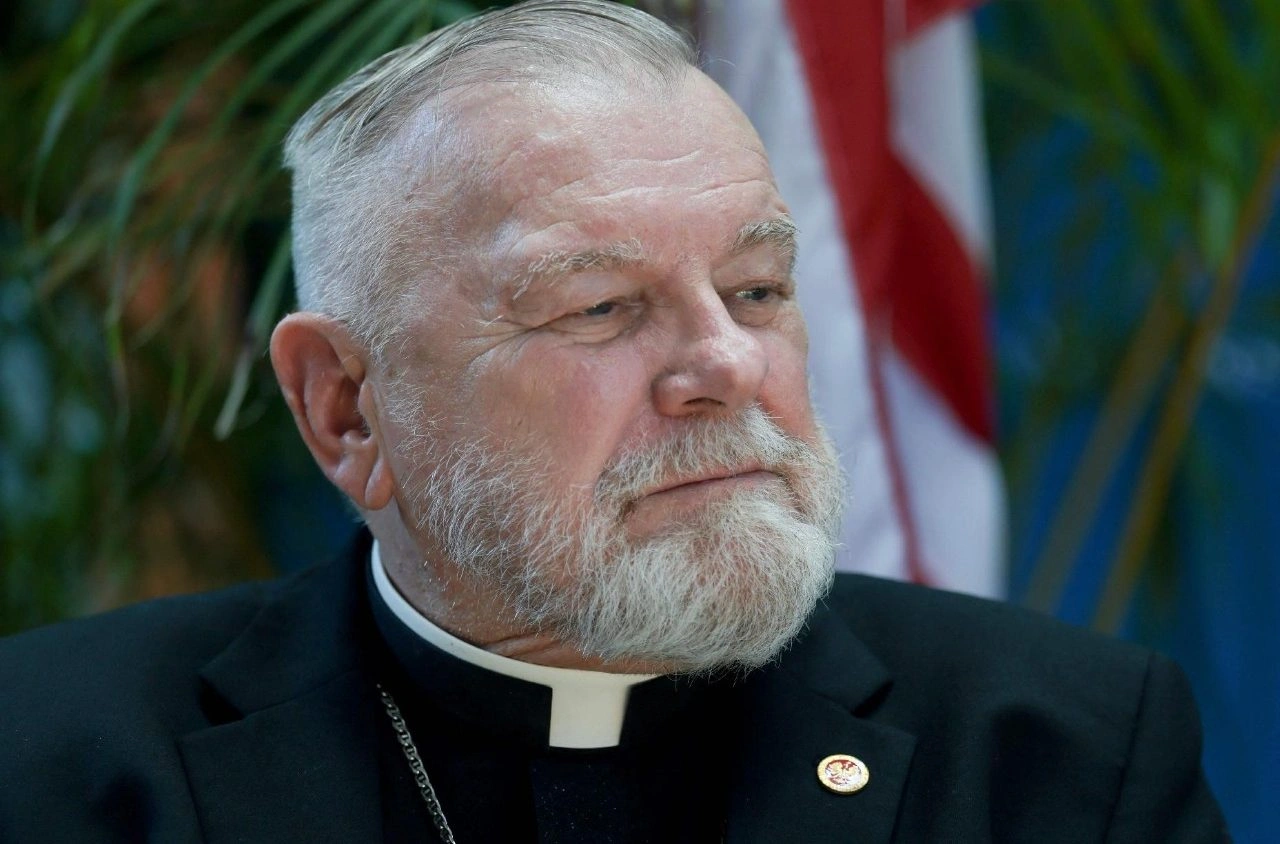
The announcement came shortly after a message from the United States Embassy highlighted the continued detention or disappearance of dozens of individuals in Nicaragua, including religious workers, the elderly, and the sick. The statement followed remarks by Donald Trump praising the release of political prisoners in Venezuela as a step toward peace, drawing an implicit comparison with Nicaragua. Former Nicaraguan diplomat Arturo McFields, speaking from exile, described the prisoner releases as evidence that limited international pressure can still influence the Ortega government. He suggested that recent images of detained leaders elsewhere in the region had unsettled Managua’s leadership, creating both fear within the regime and cautious hope among the population.
Despite the releases, uncertainty remains over the total number of political prisoners still held and the conditions under which the detainees were freed. Local outlets reported varying figures, ranging from several dozen to fewer confirmed cases, underscoring the lack of transparency that continues to characterize the government of Daniel Ortega and his co governing partner Rosario Murillo. Critics note that the releases do not signal systemic change, pointing instead to ongoing restrictions on civil society, media, and religious institutions. Nicaragua has faced sustained international criticism for constitutional manipulation, suppression of dissent, and the targeting of churches and faith based groups, particularly within the Catholic community.
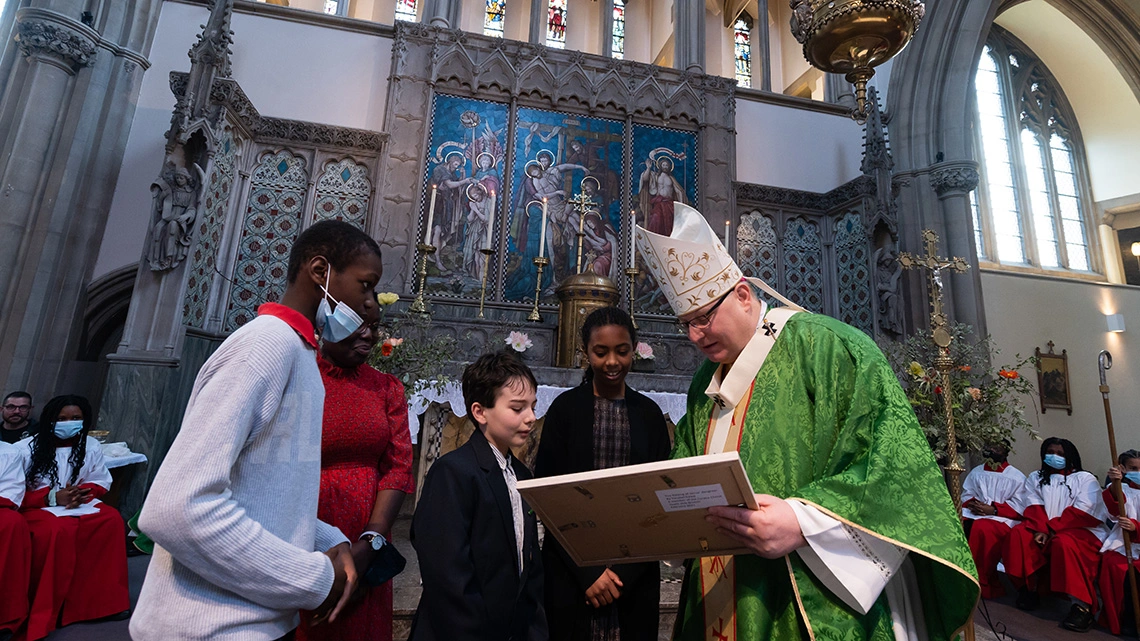
Alongside the political developments, the Catholic Church in Nicaragua reported the completion of restoration work on a historic mural of the risen Christ in Managua, attended by Leopoldo José Brenes. The restoration, carried out under state supervision due to the site’s heritage status, marked a rare moment of visible cooperation between Church and government amid years of tension. While welcomed by the faithful, church leaders remain cautious, emphasizing that symbolic gestures cannot replace the need for lasting respect for religious freedom and human dignity. For many Nicaraguans, the prisoner releases represent a fragile sign of possibility rather than resolution, unfolding against a backdrop of repression, fear, and guarded expectation.