

Pax Christi Leader Urges Hope and Nonviolence Amid Turmoil
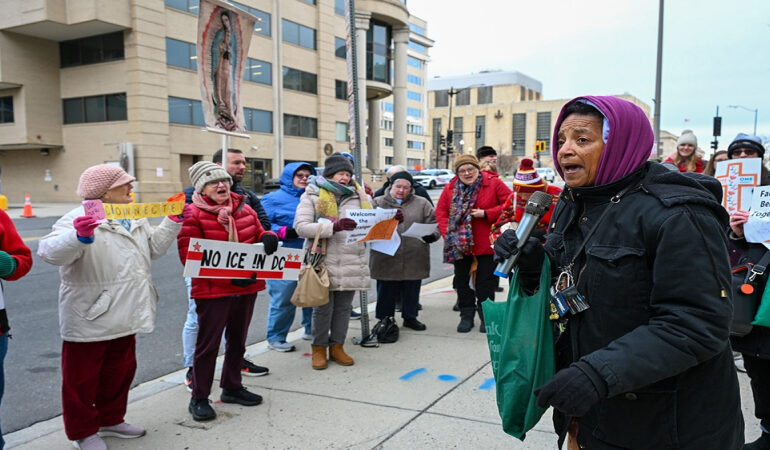

Catholic peace advocates are renewing calls for nonviolence and moral courage amid growing political and social strain in the United States, as leaders of the peace movement emphasize hope rooted in faith rather than despair. In a recent public conversation, Charlene Howard, executive director of Pax Christi USA, reflected on the role of prayer, grassroots organizing, and persistent witness in confronting injustice. Speaking from her experience leading vigils, demonstrations, and community formation, Howard described the movement’s work as an effort to bring light into moments marked by fear, violence, and polarization. She stressed that while current events can feel overwhelming, sustained action rooted in Gospel nonviolence continues to shape communities and consciences in meaningful ways.
Howard outlined how Pax Christi has focused on issues ranging from immigration enforcement and racial injustice to disarmament and global peace, often collaborating with other Catholic and interfaith groups. She emphasized the importance of remaining engaged rather than retreating into discouragement, urging believers to see peacebuilding as a long term vocation rather than a reaction to individual crises. Drawing on her background as a Catholic educator and catechist, Howard described formation and teaching as essential to the movement’s mission, especially in helping new generations connect faith with public responsibility. She framed nonviolence not as passivity but as an active and disciplined response to injustice that seeks transformation rather than domination.
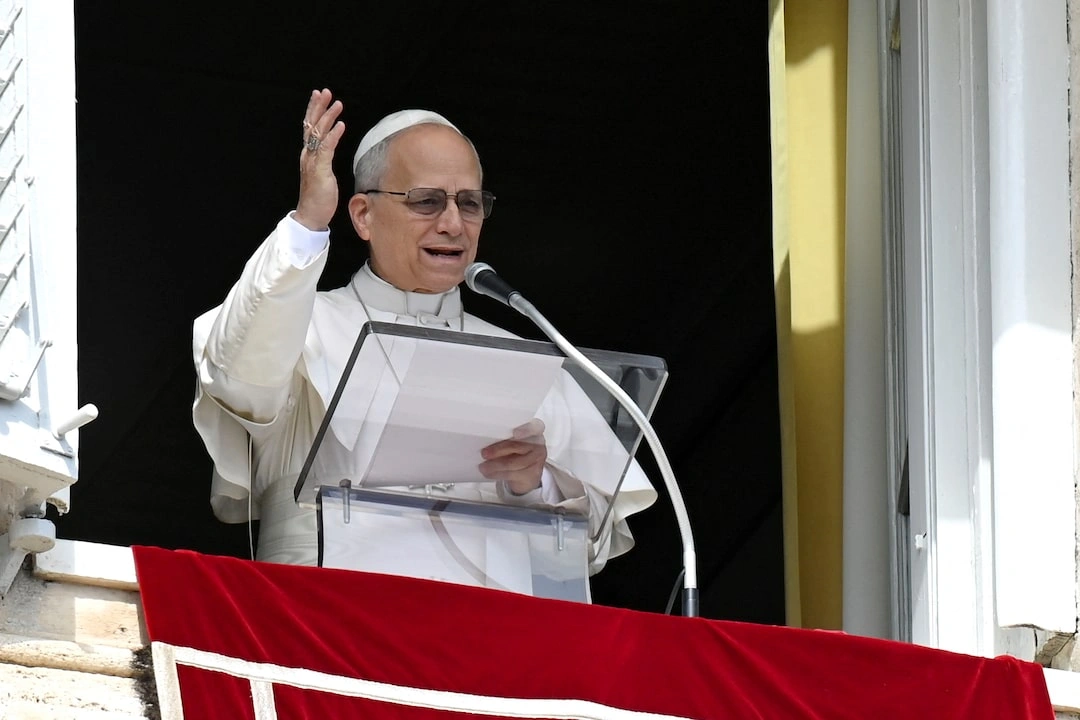
The conversation also highlighted the influence of recent papal teaching on Catholic peace activism. Howard pointed to the World Day of Peace message issued earlier this year by Pope Leo XIV, which called Christians to witness to an unarmed and disarming peace. That message, she said, offers both spiritual grounding and moral clarity at a time when public discourse is increasingly shaped by force and exclusion. Howard encouraged Catholics to engage the message seriously and to allow it to inform their public engagement, particularly in confronting systems that rely on coercion rather than dialogue. She described papal teaching as a source of encouragement for those working at the margins, often without immediate results or recognition.
Despite acknowledging the weight of current challenges, Howard expressed confidence that grassroots movements rooted in faith continue to grow quietly. She noted that prayer vigils, community education, and local organizing often escape national attention yet build resilient networks committed to peace. For Pax Christi and similar movements, she said, hope is sustained not by political victories alone but by fidelity to conscience and solidarity with those who suffer. In her view, the accumulation of small, faithful acts carries transformative potential, even in dark moments. By insisting that light can still break through, Catholic peace advocates aim to keep moral imagination alive in public life.