

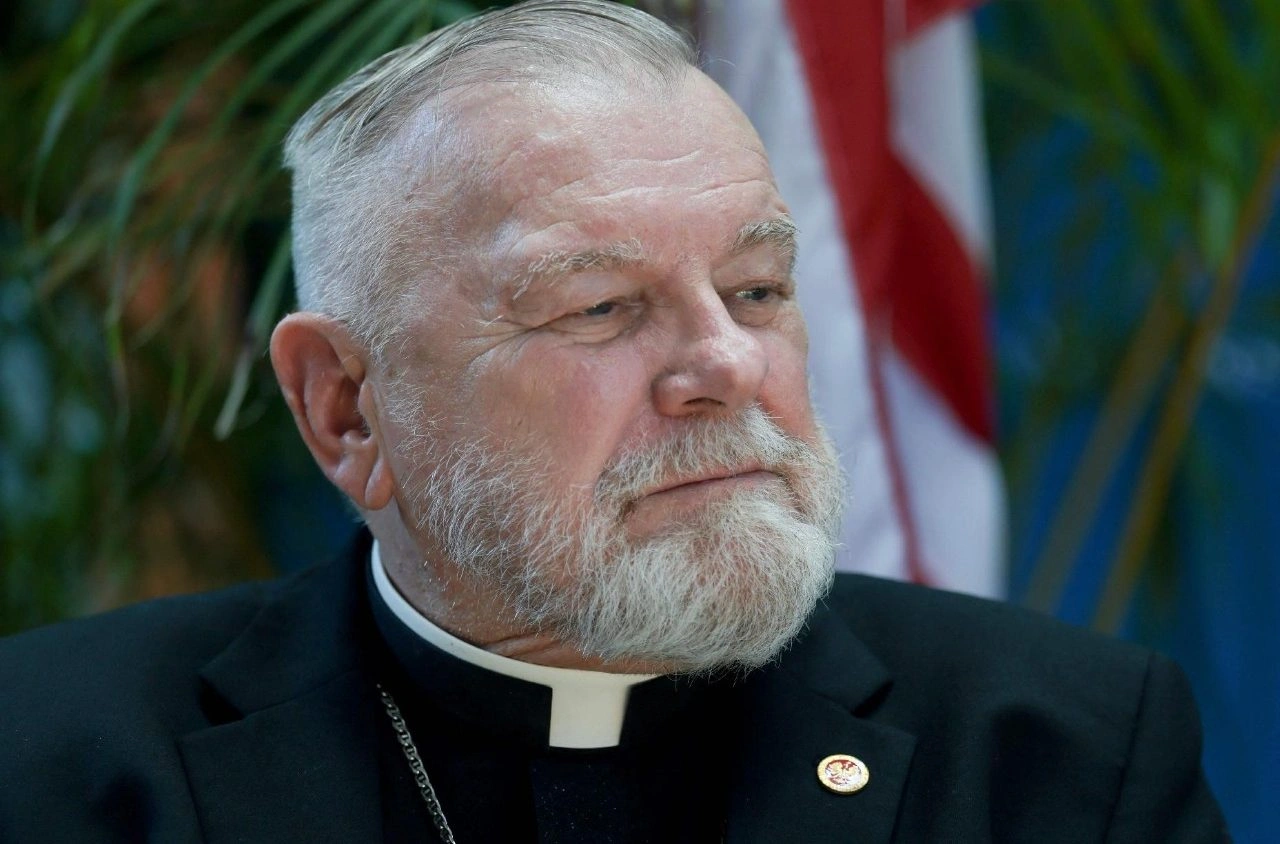


In a country shaped by prolonged conflict and fragile institutions, the Catholic bishops of the Central African Republic have issued a firm appeal urging political leaders to treat peace as a fundamental right rather than a conditional outcome. Their message followed the conclusion of the Bishops Conference plenary assembly and came in the aftermath of national elections that confirmed Faustin-Archange Touadéra for a third term. Addressing both state authorities and citizens, the bishops framed peace as inseparable from justice, accountability, and respect for human dignity. They situated their appeal within a national context marked by years of violence, displacement, and poverty, warning that stability cannot rest on force or exclusion. Instead, they called for governance rooted in responsibility and moral restraint, emphasizing that the post electoral moment represents a test of political maturity and civic conscience.
The bishops acknowledged the complexity of the recent electoral process, which followed a constitutional revision that altered presidential term limits and reshaped institutional balance. They noted the historic significance of holding presidential and local elections simultaneously for the first time in decades, describing citizen participation as a sign of growing civic awareness. At the same time, they recognized reports of irregularities and tensions voiced by opposition groups, cautioning that unresolved grievances risk undermining social cohesion. In this setting, peace was defined not as silence or control, but as an active condition requiring trust, dialogue, and institutional credibility. The bishops praised the restraint shown by many voters and observers, suggesting that such conduct offers a foundation for rebuilding confidence in public life if preserved and strengthened.
Beyond electoral mechanics, the bishops addressed structural obstacles that continue to fuel instability. Armed groups remain active in several regions, confronting national forces supported by international peacekeepers, while negotiations aimed at disarmament proceed slowly. Economic hardship limits incentives for militias to abandon violence, prolonging cycles of insecurity that affect civilians most severely. The humanitarian toll remains heavy, with hundreds of thousands displaced internally or living as refugees. Against this backdrop, the bishops warned that peace cannot be reduced to the absence of open warfare. Corruption, abuse of power, nepotism, and impunity were identified as persistent threats that hollow out institutions and erode public trust. Without transparent governance and credible justice, they argued, development and reconciliation remain unattainable aspirations.
In their concluding appeal, the bishops urged political actors and citizens alike to resist rhetoric that frames opponents as enemies. Respect for differing political choices, they said, is essential in preventing further fragmentation. They emphasized that the future of the nation depends on dialogue and fraternity rather than revenge or domination. The message also extended beyond political structures, calling on religious communities to intensify prayer and interreligious engagement as pathways toward healing. By presenting peace as both a civic right and a moral duty, the bishops positioned the Church as a voice seeking to bridge social divisions and reaffirm the common good in a society still recovering from years of violence and mistrust.