

The Vatican and the Moral Limits of Modern Finance
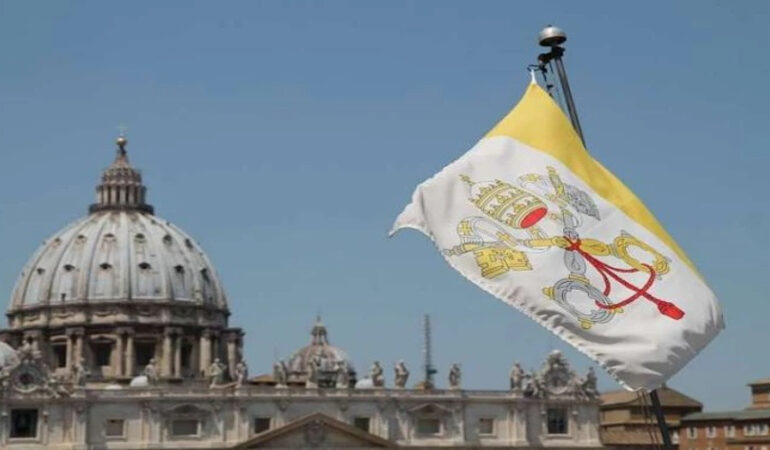

Modern finance moves faster than ever, shaping daily life through markets, debt, and investment decisions that affect billions of people. While economic systems often present themselves as neutral or purely technical, the Catholic Church has long argued that finance is never morally empty. Money reflects human choices, values, and priorities, and those choices can either serve human dignity or undermine it.
From this perspective, the Vatican does not speak about finance to manage markets or predict outcomes. Its concern is ethical clarity. As financial systems grow more complex and detached from the real economy, the Church continues to insist that economic activity must remain ordered toward the common good, not merely toward profit or efficiency.
Finance as a Moral Activity
At the heart of the Vatican’s approach is a simple but demanding principle. Finance is a human activity before it is a technical one. Because it is shaped by intention and consequence, it carries moral weight. Capital can help create jobs, sustain families, and support social development. It can also fuel inequality, exploitation, and instability when separated from ethical responsibility.
Catholic social teaching rejects the idea that markets alone can regulate themselves without moral reference points. Profit is recognized as legitimate, but only when pursued within limits that respect human dignity. When financial activity becomes an end in itself, detached from real production and social needs, it risks turning people into instruments rather than beneficiaries of economic life.
This moral framing is especially relevant in an era where financial gains often outpace wages and where speculative activity can destabilize entire economies. The Church’s concern is not abstract. It focuses on real human consequences, particularly for the poor and economically vulnerable.
Speculation and the Real Economy
One of the Vatican’s most consistent warnings concerns excessive speculation. Financial instruments that exist purely to generate short term gains, without connection to productive investment, can distort economic priorities. When capital circulates primarily within financial markets rather than flowing into businesses, infrastructure, and communities, economic growth becomes fragile and uneven.
Speculation is not condemned outright, but it is judged by its effects. If financial practices increase volatility, concentrate wealth, or place disproportionate risk on those least able to bear it, they fall short of ethical standards. The Church emphasizes that finance should support the real economy, meaning work, production, and social development, rather than overshadow it.
This perspective challenges a culture that often celebrates financial success without examining its social cost. Ethical finance asks not only whether something is legal, but whether it is just.
Responsibility, Debt, and Human Dignity
Debt occupies a central place in contemporary financial systems, from personal credit to sovereign borrowing. The Vatican views debt through the lens of responsibility and dignity. Lending can be constructive when it enables growth and opportunity. It becomes destructive when it traps individuals or nations in cycles of dependency and austerity.
The moral concern lies in imbalance. When financial power allows creditors to impose conditions that undermine social stability, healthcare, or education, ethical boundaries are crossed. The Church argues that financial agreements must account for human consequences, not just contractual obligations.
This approach does not deny the importance of fiscal discipline. Rather, it insists that economic decisions must remain accountable to moral principles, especially when they affect the basic needs of populations.
Markets Without Moral Memory
A recurring theme in Vatican reflections on finance is the danger of forgetting purpose. Markets tend to reward short term success and measurable returns. Ethical reflection introduces memory into the system by asking who benefits, who bears risk, and who is excluded.
Without this moral memory, finance can become detached from solidarity and social responsibility. The Church does not offer technical fixes or alternative economic models. Instead, it provides a moral compass that challenges individuals, institutions, and policymakers to align financial power with human flourishing.
This role may seem limited, but it remains distinctive. By refusing to reduce economics to ideology or technocracy, the Vatican maintains a voice that speaks to conscience rather than calculation.
Conclusion
The Vatican’s engagement with modern finance is grounded in a clear conviction. Economic systems exist for people, not the other way around. By insisting on moral limits to speculation, debt, and profit seeking, the Church continues to challenge a financial culture that often measures success without regard to dignity. In doing so, it reminds the modern world that finance, at its best, should serve life, community, and the common good.