How the Vatican Governs Without Elections, Parties, or Polls
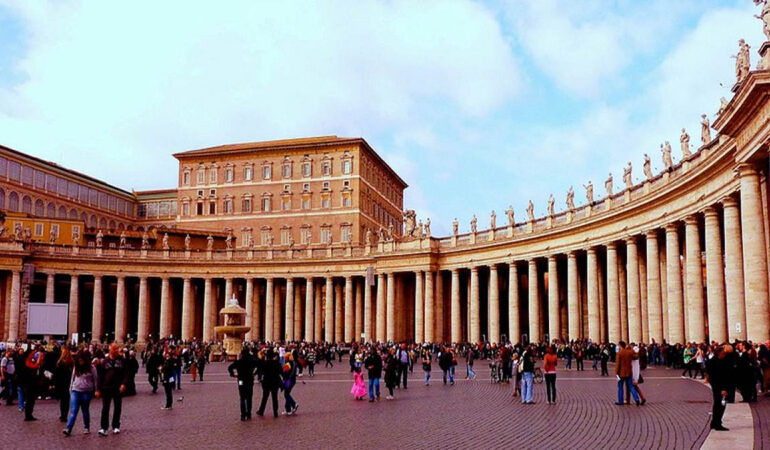

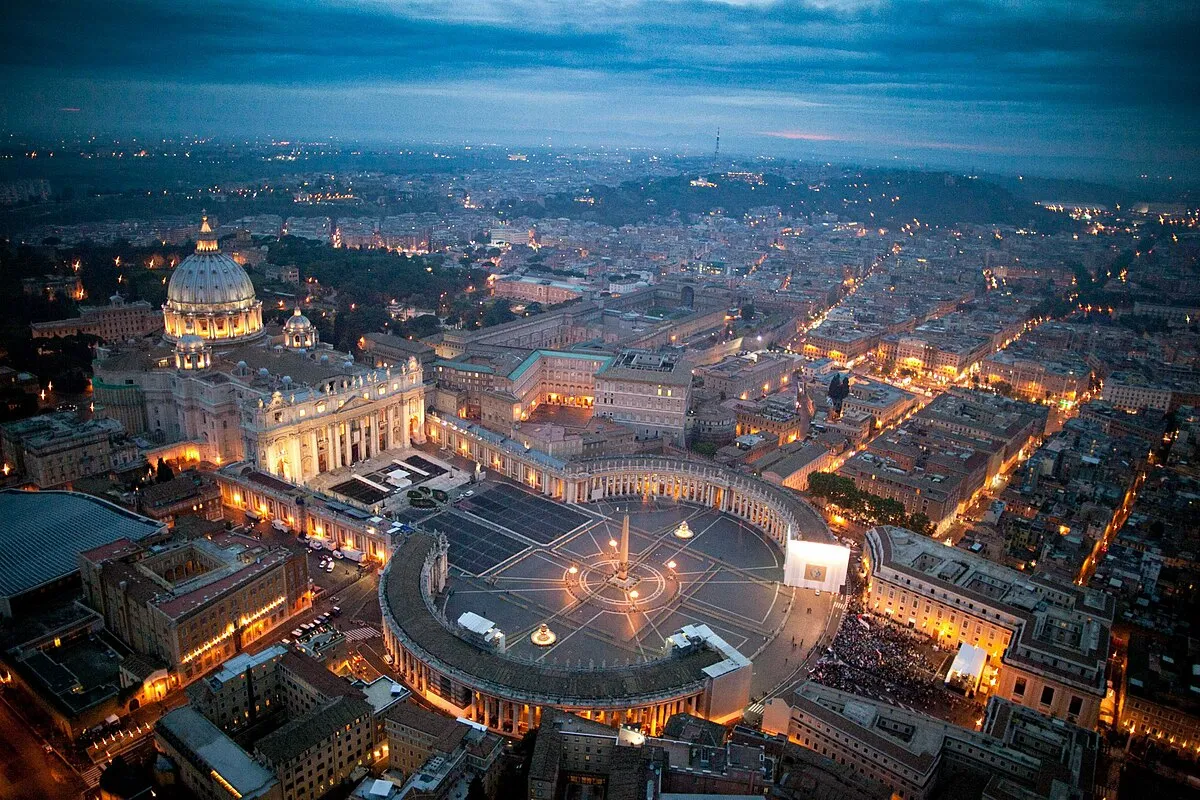
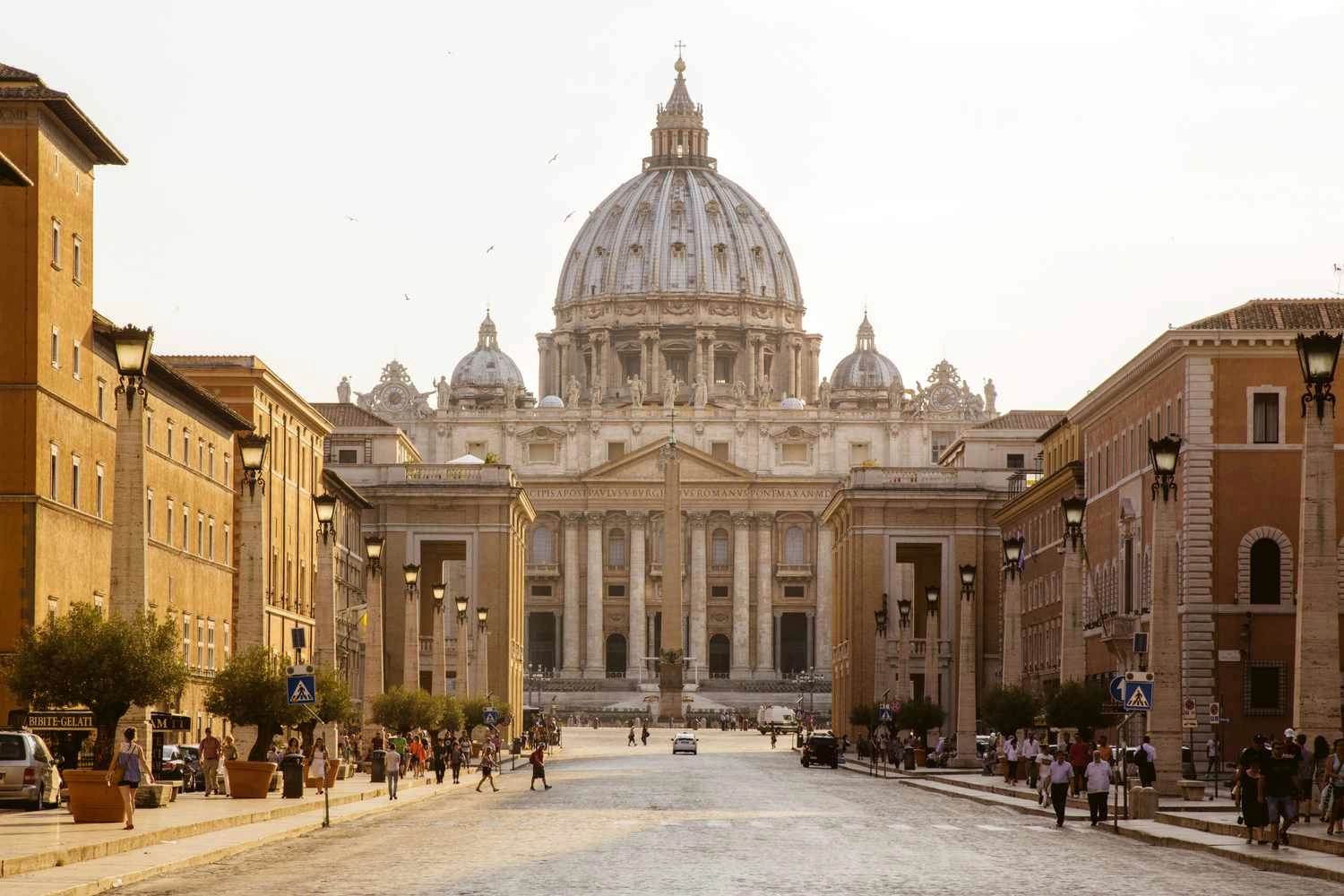
Modern governance is usually associated with elections, political parties, opinion surveys, and shifting public mandates. Power is contested, measured, and frequently redistributed. The governance of the Catholic Church follows a markedly different logic. The Vatican operates without electoral cycles, partisan competition, or polling data, yet it has maintained institutional continuity for centuries.
This system is not designed for political representation in the modern sense. Instead, it is rooted in theology, tradition, and a defined understanding of authority. The Vatican governs as a religious institution with a global mission, not as a state accountable to voters. Understanding how this structure functions helps explain both its stability and its limitations in a rapidly changing world.
Authority Rooted in Office, Not Popularity
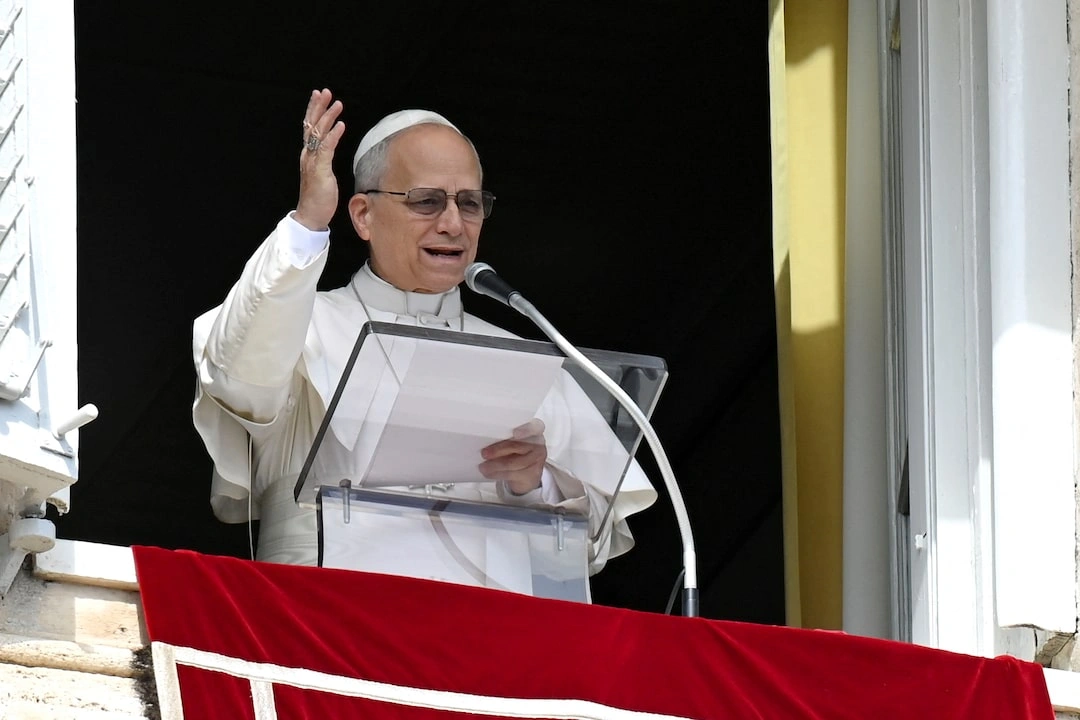
At the center of Vatican governance is the papacy. Authority flows from the office itself rather than from public approval or electoral mandate. The Pope governs as the Bishop of Rome and the universal pastor of the Church, exercising authority understood as service rather than political power.
This authority is not reinforced through popularity or public consent. It is sustained through continuity of teaching, sacramental role, and institutional responsibility. The absence of elections means that leadership is not shaped by campaign pressures or shifting public opinion. Decisions are expected to reflect moral judgment and long term responsibility rather than short term approval.
This structure allows the Vatican to operate outside the incentives that drive most political systems. It also places a significant burden on discernment, accountability, and internal discipline.
The Role of the Roman Curia
The Roman Curia functions as the administrative and advisory body that assists the Pope in governing the Church. It is composed of various departments responsible for doctrine, diplomacy, administration, and pastoral oversight. These offices do not represent constituencies or political interests. They exist to serve the mission of the Church as defined by its leadership.
Appointments within the Curia are based on expertise, experience, and trust rather than electoral legitimacy. Officials serve at the discretion of the Pope and are expected to operate within clearly defined mandates. This structure emphasizes continuity and institutional memory, allowing policies and practices to develop gradually rather than shift abruptly.
While reforms and reorganizations occur, they are driven internally rather than by external political pressure. This contributes to stability but can also slow adaptation to new challenges.
Governance Without Parties or Ideology
The Vatican does not function through competing political parties or ideological blocs. While internal disagreements and debates exist, they are not formalized into partisan structures. This prevents governance from becoming a contest for power between factions, at least in theory.
Decisions are framed in terms of doctrine, pastoral need, and moral responsibility rather than ideological alignment. This allows the Church to maintain coherence across cultures and political systems. A party based structure would risk fragmenting authority and undermining unity in a global institution.
The absence of parties also reinforces the Vatican’s claim to moral independence. By not aligning itself with ideological movements, it preserves the ability to critique all political systems without being absorbed into them.
Continuity Across Generations
One of the defining features of Vatican governance is its emphasis on continuity. Leadership transitions do not represent changes in mandate but changes in stewardship. Each Pope inherits the same office with the same foundational responsibilities, regardless of personal style or emphasis.
This continuity is reinforced by institutional structures that preserve doctrine, law, and administrative practice over long periods. Change occurs, but it is framed as development rather than rupture. This long view allows the Vatican to address issues with a historical perspective that extends beyond immediate crises.
At the same time, continuity requires constant interpretation. New social, technological, and political realities demand discernment within established frameworks. The Vatican’s governance model prioritizes coherence over speed in responding to these challenges.
Limits and Responsibilities of This Model
Governing without elections or polls carries risks as well as strengths. Without direct feedback mechanisms, leadership must rely on consultation, internal dialogue, and pastoral experience to remain responsive. The Vatican addresses this through synods, advisory bodies, and engagement with local churches, though these processes differ from democratic accountability.
The system places heavy emphasis on personal responsibility and integrity within leadership. Authority that is not checked by elections must be disciplined by conscience, law, and institutional norms. When these safeguards weaken, credibility suffers.
Despite these challenges, the Vatican’s governance model continues to function because it aligns with the Church’s self understanding as a spiritual rather than political body.
Conclusion
The Vatican governs without elections, parties, or polls because its authority is rooted in office, tradition, and moral responsibility rather than popular mandate. This structure prioritizes continuity, unity, and long term perspective over responsiveness to public opinion. While it differs sharply from modern political systems, it reflects a form of governance designed to serve a global religious mission rather than a political constituency.