Diplomacy Without Force: Why the Vatican’s Global Role Still Matters
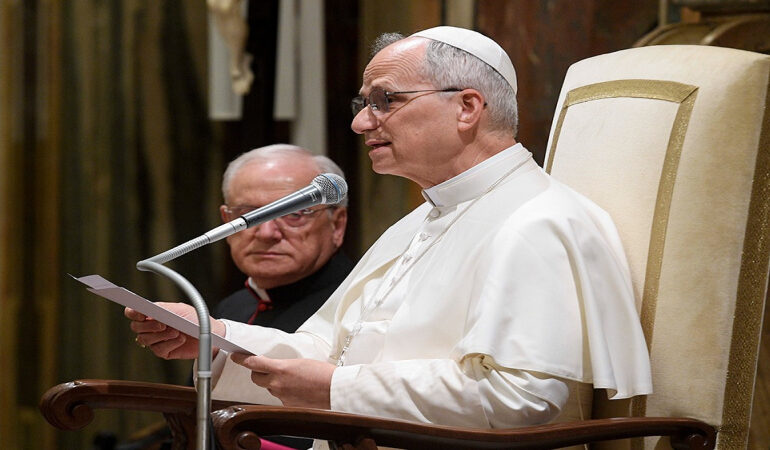

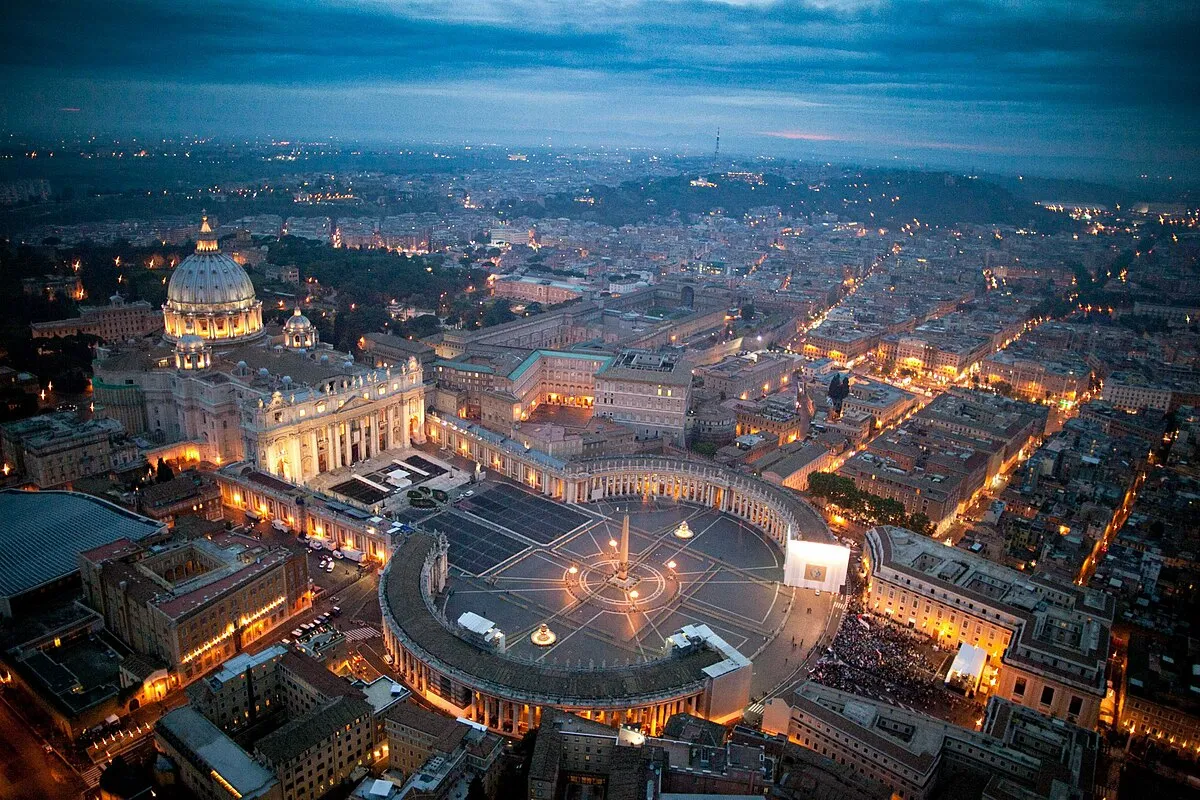
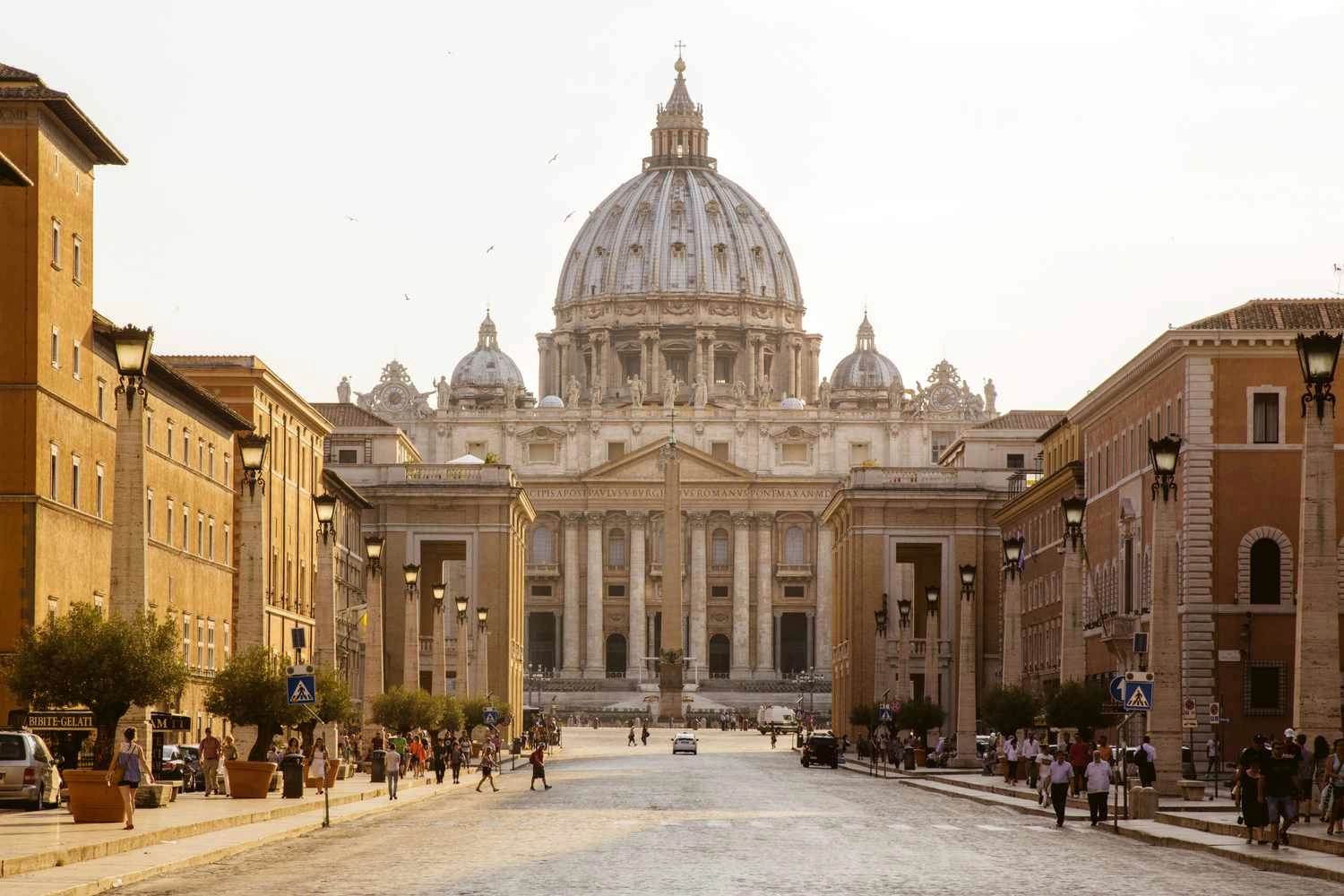
In international relations, influence is usually measured by military strength, economic leverage, or strategic alliances. Against this backdrop, the diplomatic presence of the Vatican appears unusual. It commands no army, controls no markets, and governs a territory smaller than many city blocks. Yet the Holy See maintains one of the most extensive diplomatic networks in the world and continues to play a recognized role in global affairs.
This influence does not rest on coercion or material power. It is built on moral authority, continuity, and a long tradition of dialogue. Vatican diplomacy operates quietly, often away from public attention, but its relevance persists because it addresses conflicts and tensions through mediation, trust, and ethical appeal rather than force.
A Diplomatic Presence Rooted in Moral Authority
The Vatican’s diplomatic role is grounded in its identity as a moral and spiritual authority rather than a political actor. Its representatives engage states not to advance national interests, but to promote peace, human dignity, and dialogue. This distinct posture allows the Vatican to maintain relationships across political systems and ideological divides.
Because it does not compete for territory or resources, the Vatican is often perceived as a credible and neutral interlocutor. This perception enables it to engage parties that might otherwise refuse direct contact. Moral credibility, built over time through consistency and restraint, becomes a form of diplomatic capital.
This authority is not automatic. It depends on coherence between the Church’s teachings and its actions. When maintained, it allows Vatican diplomacy to function in spaces where traditional power based diplomacy struggles.
Soft Power and the Art of Mediation
Vatican diplomacy relies heavily on soft power. Its influence comes from persuasion, trust, and the ability to frame conflicts in moral and human terms. Rather than focusing solely on strategic interests, Vatican mediators emphasize the human cost of conflict and the ethical responsibilities of leaders.
This approach is particularly effective in situations where political negotiations have stalled. By reframing disputes around dignity, reconciliation, and long term peace, the Vatican can reopen channels of communication. Its role is rarely to impose solutions, but to create conditions where dialogue becomes possible again.
Mediation efforts are often discreet. The Vatican prefers quiet engagement to public negotiation, reducing political pressure on the parties involved. This discretion strengthens trust and allows discussions to proceed without the need for public posturing.
A Global Network Without Political Alignment
One of the Vatican’s strengths is its global reach. Through its diplomatic missions and connections with local churches, it maintains insight into social and political conditions across regions. This network provides information grounded in lived experience rather than purely strategic analysis.
Crucially, Vatican diplomacy avoids alignment with political blocs. It does not act as a proxy for major powers or ideological movements. This independence allows it to speak to all sides without being perceived as advancing external agendas.
The absence of political alignment also enables continuity. Diplomatic engagement does not shift dramatically with changes in government or global trends. This long term perspective allows the Vatican to remain engaged even when conflicts endure for years or decades.
Why Vatican Diplomacy Endures in a Changing World
Despite rapid changes in global politics, the Vatican’s diplomatic relevance has endured because the problems it addresses are persistent. Conflict, displacement, inequality, and religious tension remain central challenges. Military solutions often fail to resolve these issues fully, leaving space for moral and humanitarian engagement.
The Vatican’s approach emphasizes dialogue over dominance. It insists that peace is not merely the absence of violence, but the presence of justice and mutual recognition. This perspective resonates in a world increasingly aware of the limits of force.
Its role also reflects the enduring influence of religion in global affairs. Even in secular societies, religious identity continues to shape values and social dynamics. Vatican diplomacy operates at this intersection of belief, culture, and politics.
Limits and Responsibilities of Moral Diplomacy
Diplomacy without force is not without limits. Moral persuasion cannot compel compliance, and mediation efforts can fail. The Vatican’s influence depends on the willingness of parties to engage and on its own credibility.
This places a responsibility on the Church to maintain coherence between its teachings and its actions. Diplomatic credibility is weakened when moral authority is questioned. As a result, Vatican diplomacy requires constant attention to integrity, transparency, and consistency.
Even with these constraints, the Vatican’s approach offers an alternative model of international engagement that complements rather than replaces traditional diplomacy.
Conclusion
The Vatican’s global role continues to matter because it offers diplomacy without force in a world often dominated by power politics. Through moral authority, mediation, and dialogue, it addresses conflicts at a human level that military and economic tools cannot reach alone. While its influence is quiet and often unseen, it remains a distinctive and relevant presence in international affairs.