

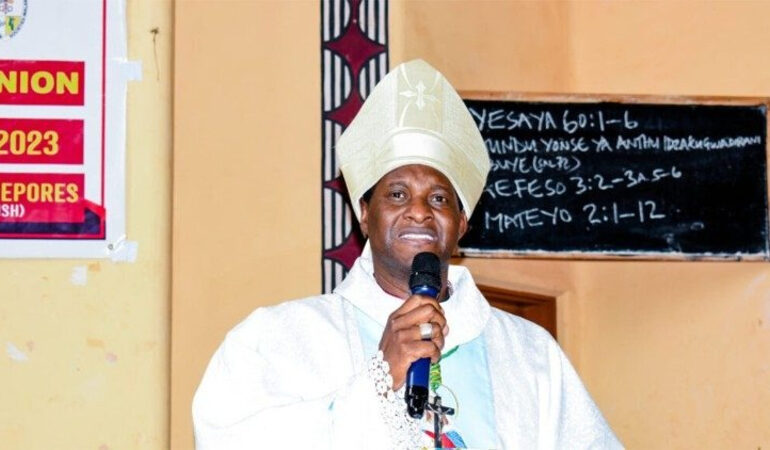

Peter Adrian Chifukwa has raised a public warning over the growing spread of gambling and betting among young people in Malawi, describing it as a practice that deepens vulnerability rather than offering a path out of hardship. Speaking to youth gathered for a national meeting in the Diocese of Dedza, the bishop addressed the attraction of betting platforms that promise quick returns in a country marked by unemployment and rising living costs. He framed gambling not as a harmless pastime but as a structural risk that exploits economic desperation and weakens personal responsibility. According to his remarks, the rapid expansion of mobile betting and aggressive advertising has reshaped how many young people imagine survival and success. Instead of employment, training, or community support, betting is increasingly seen as a substitute. The bishop’s intervention placed the issue within a wider moral and social context, warning that short term hopes tied to chance often lead to long term damage to character, stability, and trust within families.
The bishop linked the rise of gambling directly to Malawi’s economic strain, noting that limited job opportunities leave many young people searching for immediate income. In this environment, betting appears accessible and low risk, especially when promoted through mobile phones that remove physical and psychological barriers. He cautioned that this accessibility masks serious consequences, including addiction, debt, and isolation. Gambling, he said, reshapes priorities by encouraging constant risk taking and dependence on luck rather than effort. Over time, this dynamic can erode values that sustain communities, including patience, honesty, and solidarity. He also pointed to the social ripple effects, where financial loss fuels conflict at home and increases pressure on already fragile support networks. In his assessment, betting does not operate in isolation but interacts with poverty in ways that intensify inequality, leaving young people more exposed to manipulation and less equipped to build stable futures.
Beyond economic harm, the bishop stressed that gambling carries moral and psychological costs that are often overlooked. He warned that obsession with betting can distort judgment and lead some young people toward dishonest behavior as they seek funds to continue wagering. This cycle, he suggested, places individuals at risk of criminal activity and deepens feelings of shame and failure when losses accumulate. He urged young people to recognize that dignity is not found in chance winnings but in work that respects self worth and contributes to society. The bishop encouraged openness in moments of distress, advising youth to share struggles rather than retreat into secrecy or risk driven habits. By emphasizing conversation and community, he presented an alternative response to economic anxiety, one grounded in mutual support rather than competition with odds that are designed to favor profit over people.
The remarks were delivered within the context of ongoing youth formation efforts led by the Church in Malawi, including movements that prioritize reflection on work, social responsibility, and faith in daily life. Church leaders present highlighted the importance of regular gatherings that allow young people to speak honestly about pressures they face. These forums, they said, help identify emerging social challenges before they become entrenched. The bishop’s message aligned with a broader concern across parts of Africa, where gambling industries are expanding rapidly among populations with limited economic protection. By addressing the issue publicly, he positioned the Church as a moral voice engaging real conditions rather than abstract doctrine. The focus remained on prevention and formation, urging young people to resist systems that profit from desperation and to seek paths that sustain both personal integrity and the wider community.