

Bangladesh is facing an unusually harsh winter that has placed growing pressure on vulnerable communities, particularly in northern regions where prolonged cold spells have strained already limited resources. Temperatures have dropped well below seasonal norms for extended periods, leaving many families without adequate protection against the cold. In rural districts near the Himalayan corridor, exposure has increased risks of illness among the elderly, children, and indigenous populations whose housing offers little insulation. As public systems struggle to meet demand, Christian organizations have stepped in to provide emergency assistance. Their efforts reflect a broader pattern in which faith based networks function as first responders during climate related stress, addressing gaps that emerge when environmental conditions overwhelm local capacity.
Church linked humanitarian groups have expanded winter relief programs to respond to the scale of need. Catholic aid networks operating in the northern dioceses have focused on distributing blankets, warm clothing, and basic supplies to families most at risk. These efforts are ongoing, with local coordinators noting that existing distributions cover only a fraction of those affected. Appeals for support have been directed both domestically and internationally, emphasizing that the severity of this winter requires sustained assistance rather than one time intervention. Organizers have described the challenge as logistical as well as financial, given the dispersed nature of vulnerable communities and limited transport infrastructure in colder regions. The response has highlighted how seasonal weather patterns can quickly escalate into humanitarian stress in densely populated but resource constrained settings.
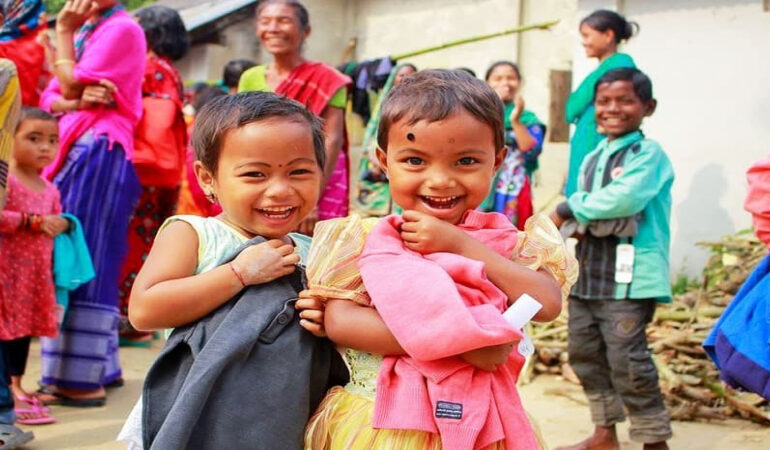
Alongside Catholic agencies, broader Christian associations have also issued public appeals, urging solidarity with those enduring the cold without adequate shelter or clothing. These organizations have leveraged community networks and social platforms to coordinate donations and volunteers, particularly targeting northern areas where winter related illnesses are rising. Leaders within these groups have stressed that cold exposure compounds existing poverty, making even short periods of low temperatures dangerous for people living day to day. Grassroots initiatives have complemented institutional responses, with volunteer led efforts distributing clothing and educational materials gathered through informal support networks. Together, these actions illustrate how local initiative and organized relief intersect in contexts where state assistance remains stretched.
The winter emergency has underscored the recurring vulnerability of marginalized groups to climate fluctuations that fall outside historical norms. While Bangladesh has faced colder temperatures in the past, the persistence of this season has amplified its impact. Christian outreach efforts have framed their response not only as material aid but as a commitment to presence among those who risk being overlooked. The appeals emphasize that without continued support, many families will face preventable suffering through the remainder of the season. As climate variability increasingly affects regions unaccustomed to extreme cold, the situation points to a wider need for preparedness that integrates civil, humanitarian, and community based responses. For now, faith driven networks remain central in sustaining relief where immediate need exceeds available resources.