
Department of Homeland Security has introduced a regulatory change intended to reduce prolonged disruptions faced by religious workers serving congregations across the United States. The adjustment affects foreign born clergy and religious personnel who rely on temporary R 1 visas while awaiting permanent residency, a process that has grown increasingly backlogged. Under the revised rule, religious workers who reach the five year limit of their R 1 visa will no longer be required to remain outside the country for a full year before reapplying. Instead, they may depart and immediately seek re entry, a shift aimed at preventing lengthy absences that leave parishes and communities without pastoral leadership. The change comes at a time when immigration pathways remain broadly restrictive, making the accommodation notable for faith based institutions that depend on international clergy to sustain daily worship and social services.
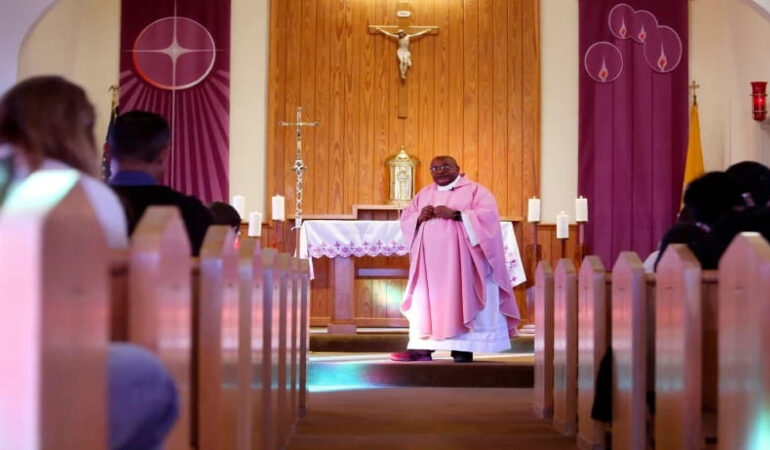
Across many Christian denominations and other religious traditions, foreign born ministers have become essential to maintaining congregational life. Catholic dioceses in particular have relied on priests from Africa, Asia, and Latin America to address long standing shortages, especially in rural and immigrant communities. Similar dependence exists among Jewish, Muslim, Buddhist, and Protestant groups whose leaders often receive formation abroad. In recent years, changes to visa processing timelines extended the wait for permanent residency well beyond the five year R 1 limit, forcing many clergy to leave the country despite active service and community ties. Faith leaders have warned that such interruptions strain congregations emotionally and spiritually, while also undermining continuity in schools, charities, and outreach programs. The new rule seeks to preserve stability by narrowing the gap between visa expiration and re entry eligibility.
Religious and legal advocates have welcomed the adjustment as a practical response to a system that had become misaligned with on the ground realities. Representatives from major faith bodies described the rule as recognition that religious service constitutes a public good extending beyond worship alone. Catholic leaders noted that foreign clergy often serve in roles that reach far beyond parish boundaries, including hospitals, shelters, and educational institutions. While the change does not resolve the broader backlog for employment based green cards, it reduces the immediate risk of forced year long separations. Attorneys working with religious organizations emphasized that the previous requirement created uncertainty not only for clergy but also for congregations that plan years ahead for assignments and ministries. The revised approach allows communities to function with greater predictability.
Despite broad support, the rule leaves unresolved structural issues within the immigration system. Religious workers will still face long waits for permanent residency, in some cases extending a decade or more, depending on country of origin and visa category. Church leaders and advocates continue to urge legislative action to address these delays more comprehensively. A recent lawsuit brought by a Catholic diocese highlighted how policy shifts had threatened religious freedom and community stability, though it was withdrawn following regulatory progress. For now, the new rule offers limited but tangible relief, signaling an acknowledgment of the social role played by religious institutions. As debates over immigration persist, the measure reflects a narrow consensus that faith communities warrant special consideration to ensure uninterrupted service to those they support.