


Inside the Vatican’s Institutional Rebalancing Under Pope Leo XIV
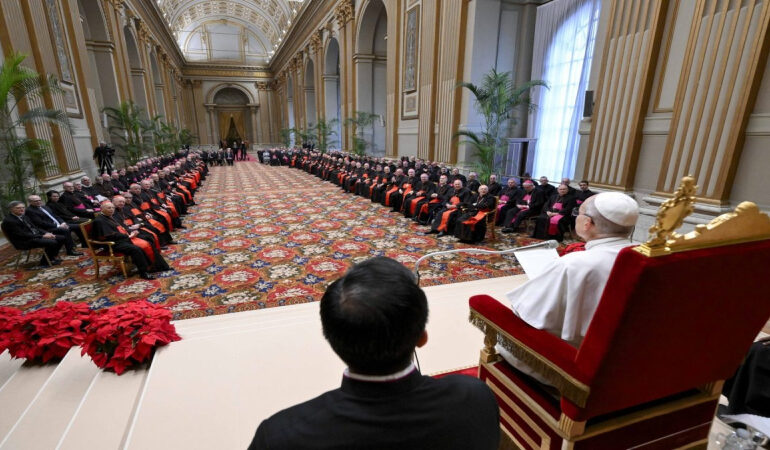

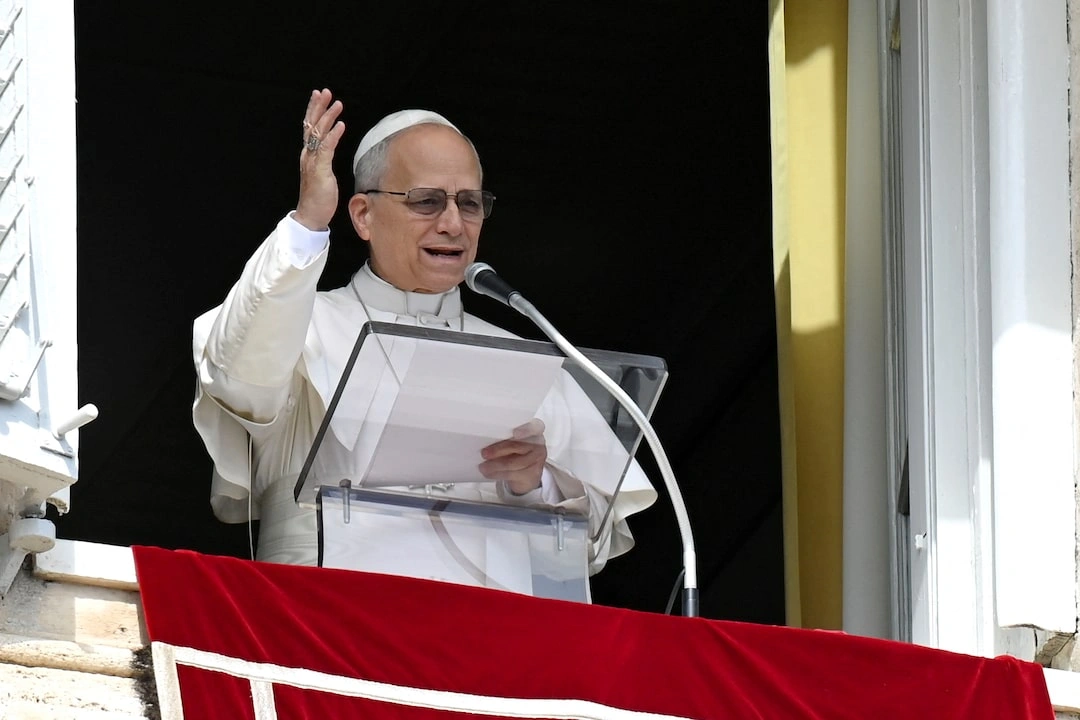
In the early phase of Pope Leo XIV’s pontificate, attention has largely focused on tone rather than transformation. Yet beneath the surface, a quieter shift is taking place within the Vatican’s internal structures. This change is not marked by sweeping announcements or structural overhauls, but by a steady recalibration of how governance functions at the institutional level.
The Vatican’s administrative bodies are being encouraged to operate with sharper focus and clearer purpose. Rather than expanding mandates or layering new initiatives onto existing ones, the emphasis has turned toward consolidation, responsibility, and pastoral effectiveness. This approach reflects a leadership philosophy that prioritizes credibility through function rather than visibility.
Rebalancing Authority Through Functional Clarity
At the core of the Vatican’s current institutional shift is a renewed emphasis on functional clarity. Dicasteries are being asked to refine their roles, reduce duplication, and ensure that their work directly supports the Church’s pastoral mission. This recalibration reflects an understanding that complexity without purpose weakens governance.
By tightening mandates, the Vatican aims to restore coherence across its administrative landscape. Clear lines of responsibility help prevent internal friction and reduce the perception of bureaucratic distance from the realities faced by local churches. This rebalancing strengthens authority by making it intelligible and accountable.
Functional clarity also supports consistency. When responsibilities are well defined, decision making becomes more predictable. This stability is essential for an institution that serves a global Church operating across diverse cultural and legal contexts.
Discipline Over Disruption in Governance Reform
Rather than pursuing disruptive reform, Pope Leo XIV’s approach favors procedural discipline. The emphasis is on improving how systems work rather than replacing them entirely. This method avoids the risks associated with abrupt institutional change while still addressing long standing inefficiencies.
Procedural discipline encourages careful evaluation of processes and outcomes. Vatican offices are being guided to focus on effectiveness rather than expansion, ensuring that governance remains purposeful. This reflects a belief that reform is most durable when it strengthens existing structures instead of discarding them.
This approach resonates with bishops and Church leaders who value consistency. Many seek governance that supports pastoral work without introducing ideological pressure or administrative instability. The current rebalancing responds to that need by prioritizing reliability over experimentation.
Pastoral Outcomes as a Governance Measure
A notable feature of the Vatican’s internal reset is the renewed focus on pastoral outcomes. Administrative effectiveness is increasingly evaluated by how well it supports the Church’s mission rather than by internal metrics. This shift aligns governance with the lived realities of faith communities.
By anchoring administration in pastoral purpose, the Vatican reinforces the idea that governance exists to serve people, not processes. This orientation challenges bureaucratic inertia and redirects attention toward tangible impact. It also fosters a sense of shared mission across departments.
Pastoral focus does not eliminate administrative rigor. Instead, it provides a moral compass for decision making. When governance is measured against pastoral needs, priorities become clearer and more coherent.
Restoring Trust Through Institutional Consistency
Trust is central to the Vatican’s rebalancing efforts. Years of scrutiny have underscored the importance of predictable and transparent governance. By emphasizing consistency and clarity, the current approach seeks to rebuild confidence among clergy and lay leadership alike.
Institutional consistency reduces uncertainty. When structures operate as expected, leaders at all levels can plan and act with greater confidence. This stability supports collaboration and reinforces a sense of shared responsibility within the Church.
The Vatican’s internal reset is therefore less about change for its own sake and more about restoring reliability. Credibility grows when institutions demonstrate competence quietly and consistently over time.
Conclusion
The Vatican’s institutional rebalancing under Pope Leo XIV reflects a measured approach to governance rooted in clarity, discipline, and pastoral purpose. By refining mandates, prioritizing procedural consistency, and aligning administration with mission, the Church is strengthening its internal foundations. This quiet reset may prove essential in restoring trust and ensuring that governance serves the Church’s moral and spiritual calling with integrity.