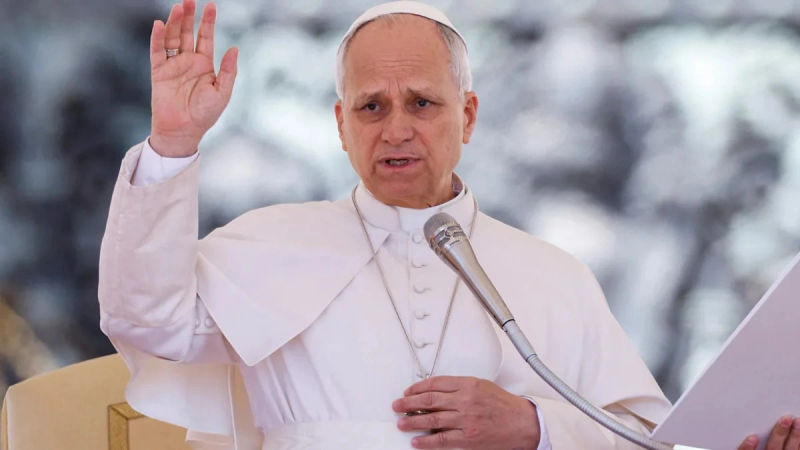

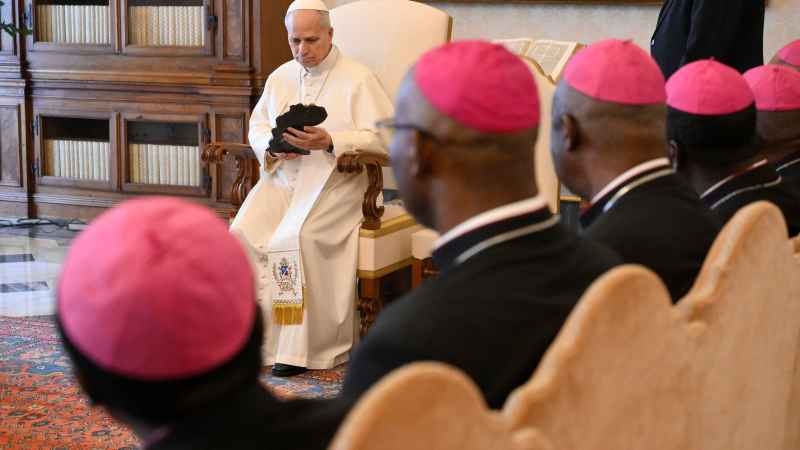




The Catholic Church has formally opened the Year of Saint Francis following a decree issued by the Apostolic Penitentiary granting plenary indulgences to the faithful during the commemorative period marking 800 years since the death of Saint Francis of Assisi. The Jubilee Year, proclaimed by Pope Leo XIV, runs from 10 January 2026 to 10 January 2027 and is intended to guide believers toward deeper spiritual maturity rather than temporary enthusiasm. Church officials have emphasized that indulgences are not spiritual privileges detached from personal transformation, but signs of God’s mercy that require sincere conversion. The initiative reflects a broader pastoral focus on helping the faithful internalize the Gospel through daily life rather than viewing Jubilee observances as isolated religious events. Vatican officials say the Year is meant to strengthen faith, restore interior freedom, and encourage a lived imitation of Christ inspired by the witness of the Poor Man of Assisi.
In explaining the decree, Bishop Krzysztof Nykiel of the Apostolic Penitentiary underscored that indulgence should be understood as an encounter with divine mercy rather than a mechanical reward. According to Church teaching, a plenary indulgence involves the remission of temporal punishment for sins already forgiven through sacramental confession. To receive it, the faithful must meet specific spiritual conditions, including confession, Eucharistic communion, prayer for the intentions of the Pope, interior detachment from sin, and participation in designated acts such as pilgrimages, prayer, and works of charity shaped by Franciscan spirituality. Special attention has been given to the sick and elderly who are unable to travel, allowing them to participate spiritually by offering prayer and daily suffering. Church authorities have described this provision as an affirmation that physical limitations do not exclude believers from the grace of the Jubilee.
The Year of Saint Francis follows closely after the global Jubilee of 2025, raising pastoral concerns about spiritual fatigue among the faithful. Vatican officials have responded by stressing that the Church is not calling for more external practices, but for deeper assimilation of grace already received. Saint Francis is presented as a model uniquely suited to this moment, offering a path marked by simplicity, humility, and consistency between faith and action. Church leaders have encouraged believers to return to the Gospel through personal prayer, concrete service, and authentic relationships rather than seeking constant extraordinary experiences. In a cultural context shaped by consumerism, digital distraction, and social fragmentation, the Franciscan witness is being proposed as a corrective rooted in detachment from material excess and renewed attention to the poor and marginalized. The Jubilee year is framed as an invitation to reorient the heart rather than accumulate religious milestones.
The commemorative year was officially inaugurated with a solemn liturgical celebration at the Basilica of Saint Mary of the Angels in Assisi, closely associated with the life and death of Saint Francis of Assisi. Church officials have reiterated that the core requirement of detachment from sin should be understood not as moral perfection, but as a sincere rejection of sin in the heart. The emphasis remains on intention and orientation toward God rather than flawless conduct. By placing conversion, peace, and mercy at the center of the Jubilee, the Church aims to present the Year of Saint Francis as a quiet but lasting spiritual passage, encouraging believers to translate faith into daily choices, acts of charity, and a renewed commitment to Gospel values in a world marked by conflict and uncertainty.