





Catholic bishops in Wales have publicly urged lawmakers to reject proposed legislation that would allow assisted suicide, warning that the measure would fundamentally alter how society responds to suffering and end-of-life care. The intervention comes as members of the Senedd prepare to decide whether to allow the United Kingdom Parliament in Westminster to continue legislating on the issue for Wales. The bill under debate, which has already passed the House of Commons, would permit terminally ill adults in England and Wales to seek medical assistance to end their lives under defined conditions. Church leaders say the proposal raises profound moral, social, and legal concerns, particularly regarding the protection of those who are elderly, disabled, or facing serious illness. They argue that the debate extends beyond personal choice and touches on the values that shape public health policy and communal responsibility toward the most vulnerable.
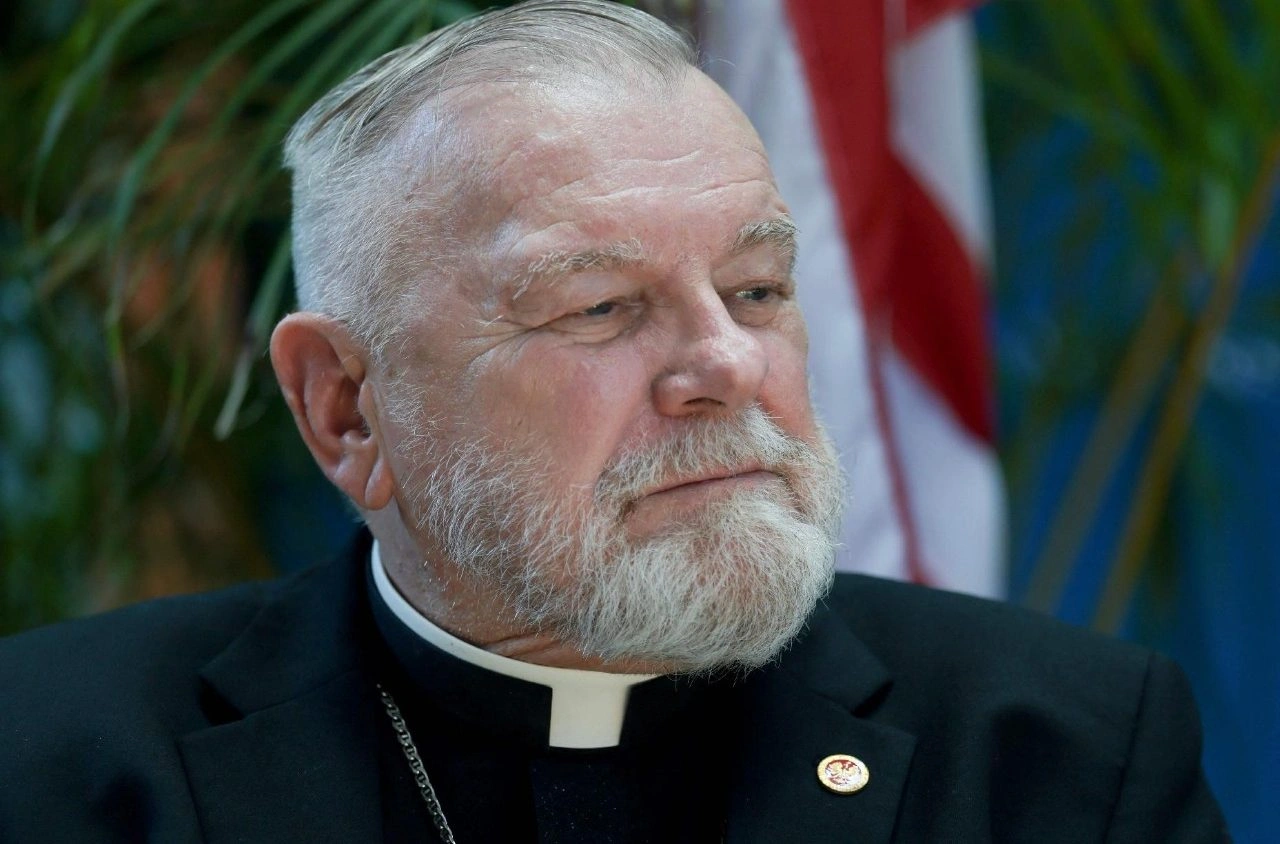
In a joint statement, Archbishop Mark O’Toole of Cardiff Menevia and Bishop Peter Brignall of Wrexham said they wished to express deep concern about the consequences of introducing assisted suicide into law. They warned that international experience suggests eligibility criteria in such laws often widen over time, while the number of deaths steadily increases. According to the bishops, subtle pressures can emerge that make individuals feel they should choose death to avoid being perceived as a burden. They stressed that Wales has a strong tradition of compassion rooted in respect for the dignity of every human life, a tradition they believe would be undermined if the state were to endorse the intentional ending of life as a response to suffering.
The bishops emphasized that true compassion, in their view, does not consist in hastening death but in accompanying those who suffer. They pointed to the role of families, communities, health services, and voluntary organizations in supporting people who are approaching the end of life. Catholic parishes, schools, chaplaincies, and charities across Wales, they said, are deeply involved in caring for the sick and dying through practical support and pastoral presence. Rather than introducing assisted suicide, the bishops called for greater investment in palliative and end of life care so that patients can live their final days with comfort, dignity, and peace. They argued that no person should feel abandoned or without worth, regardless of illness or dependency.
Opposition to the bill has also been voiced by medical professionals, with more than 250 doctors and health workers signing an open letter urging Welsh politicians to reject the legislation. The signatories raised concerns about the difficulty of accurately diagnosing terminal illness and predicting life expectancy, warning that errors could have irreversible consequences. They also cautioned that patients might feel pressured to seek assisted death because of inadequate services or a sense of being a burden on others. Palliative care consultant Dr Victoria Wheatley described the proposed safeguards as insufficient and said vulnerable people could be placed at serious risk. As the vote approaches, the debate continues to draw attention to the ethical tensions between autonomy, care, and protection within Welsh society.