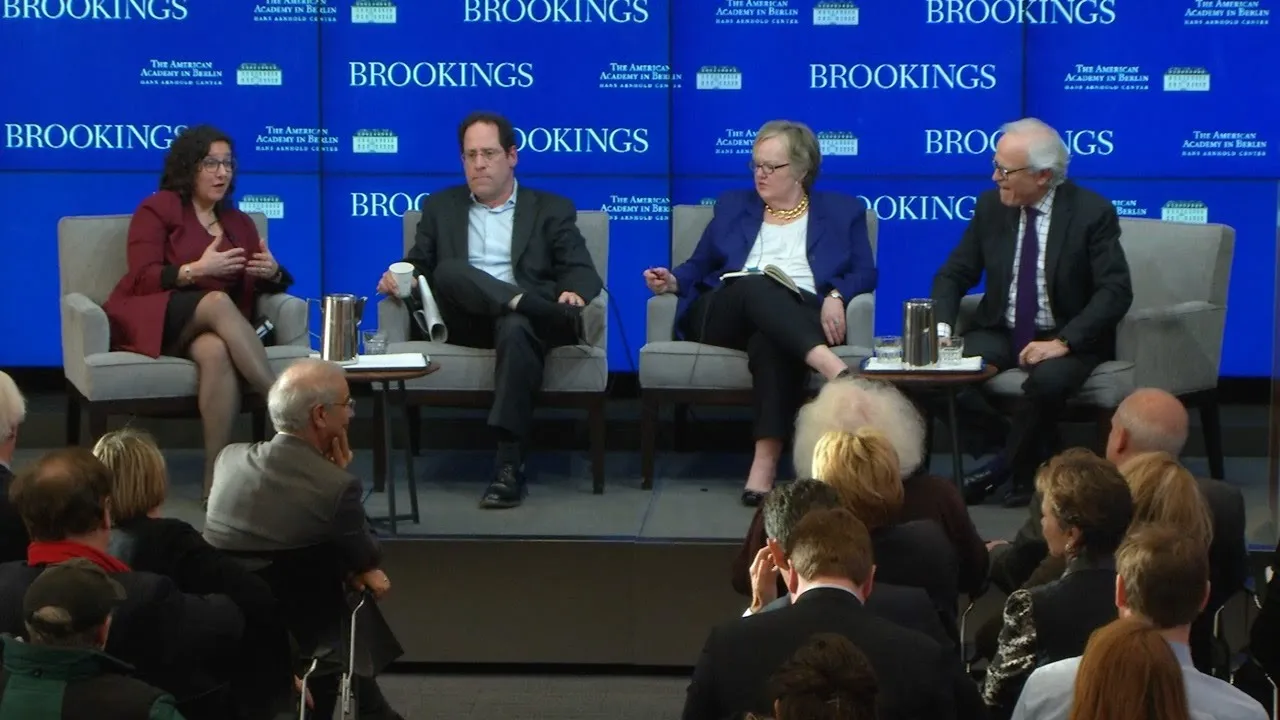

A United States government commission has drawn renewed attention to the global persecution of Christians, warning that religious freedom is deteriorating across multiple regions due to state policies, armed violence, and legal restrictions. During a hearing held in Washington this week, members of the U.S. Commission on International Religious Freedom heard testimony describing abuses ranging from church closures and arrests to kidnappings and killings. Lawmakers and witnesses stressed that religious persecution is no longer confined to isolated regions but reflects a broader pattern affecting Christians and other faith communities worldwide. The hearing aimed to underscore how violations of religious liberty are often intertwined with broader human rights abuses, weakening social stability and fueling long term conflict. Participants emphasized that international attention and accountability remain essential as millions continue to face intimidation, discrimination, and violence because of their beliefs.
Members of Congress described conditions in countries including Nigeria, China, Vietnam, and Myanmar as particularly severe. Representative Jim McGovern cited cases where religious practice is criminalized or restricted, noting that in Nigeria students and staff from a Catholic school were abducted and later released without accountability for the perpetrators. He also raised concerns about limitations on pastoral access in detention facilities in the United States, arguing that religious rights must be protected even in security sensitive environments. Commission chair Vicky Hartzler said the testimony painted a troubling picture of governments actively suppressing religious belief through law and force. China was cited as an example of systematic state control over religious communities, while Myanmar was highlighted for bans on religious gatherings and the destruction of churches.
Several lawmakers focused on Nigeria as a critical case, pointing to ongoing sectarian violence in the Middle Belt and northern regions. The United States recently restored Nigeria’s designation as a Country of Particular Concern under international religious freedom law, a move that allows for economic and diplomatic measures. Supporters of the decision said it reflects the scale of abuses and the failure to protect civilians. Witnesses argued that attacks on Christian communities in Nigeria are not random but contribute to prolonged instability and displacement. The hearing also referenced militant groups operating in the region and warned that unchecked violence risks further radicalization. Commissioners stressed that governments have obligations under international law to safeguard freedom of religion or belief and to hold perpetrators accountable regardless of political sensitivities.
Testimony from international witnesses reinforced the global scope of the issue. Grace Jin Drexel described the detention of her father, a Protestant pastor in Beijing, as part of coordinated government action against independent churches. Catholic researcher Martha Patricia Molina detailed restrictions on worship in Nicaragua, including bans on public religious processions, arrests linked to church activities, and growing shortages of clergy due to fear of punishment or exile. Commissioners said these accounts illustrate how persecution often targets not only leaders but entire communities, limiting access to sacraments and communal prayer. The hearing concluded with calls for sustained diplomatic engagement and public advocacy, with participants insisting that religious freedom is inseparable from broader human rights and must remain a priority in international relations.