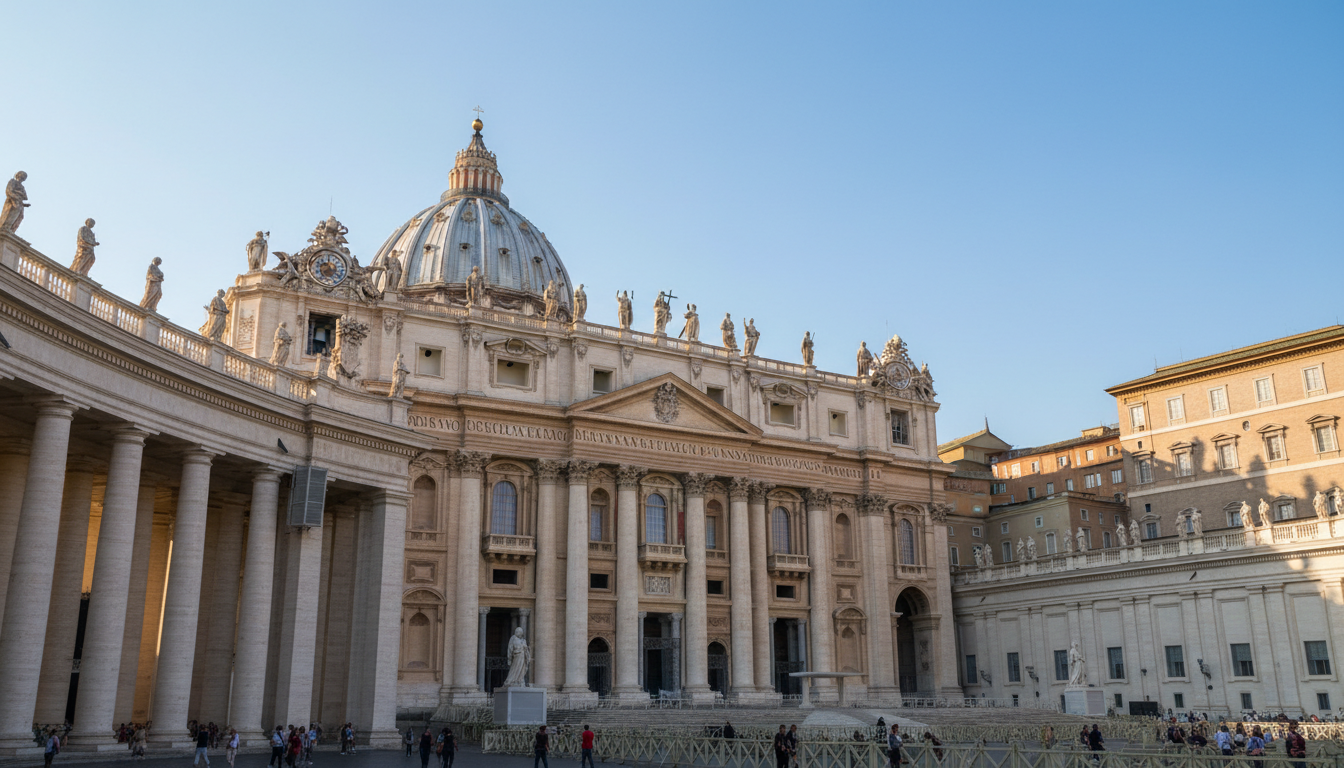
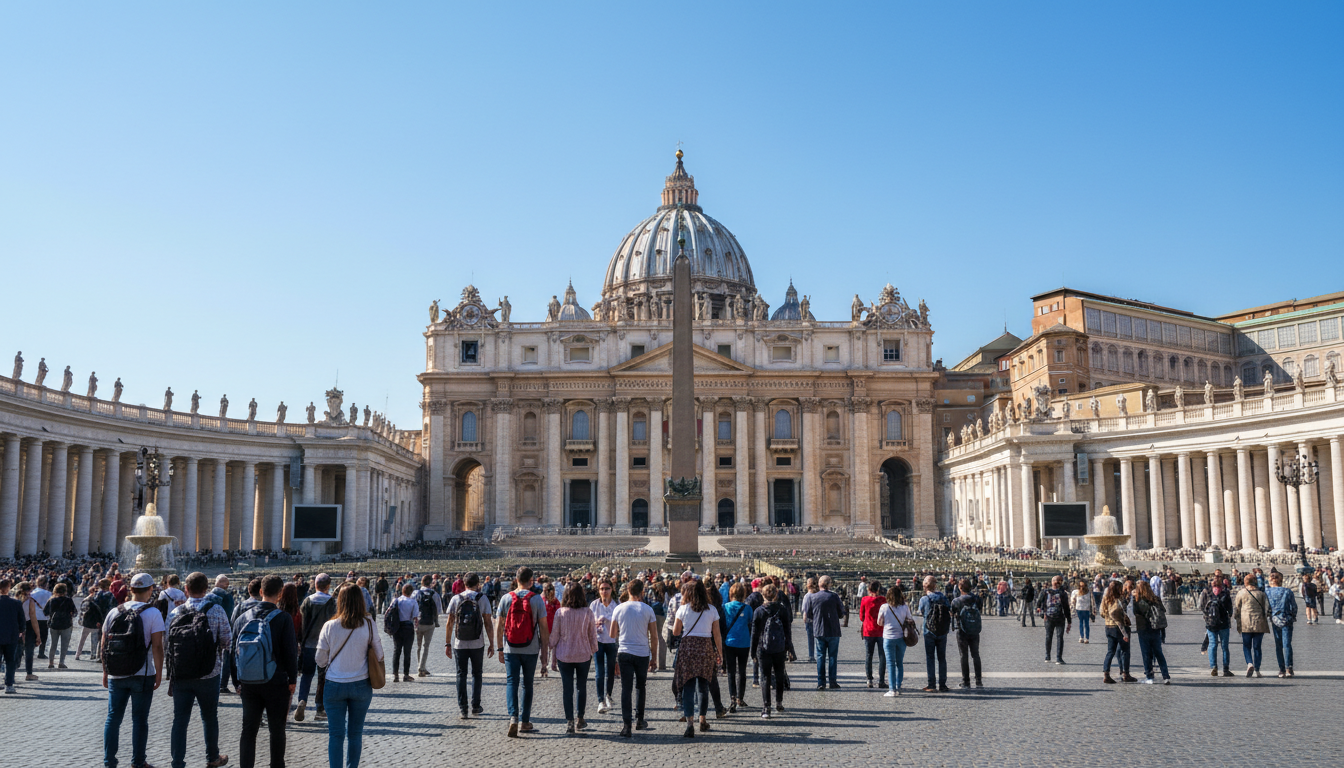


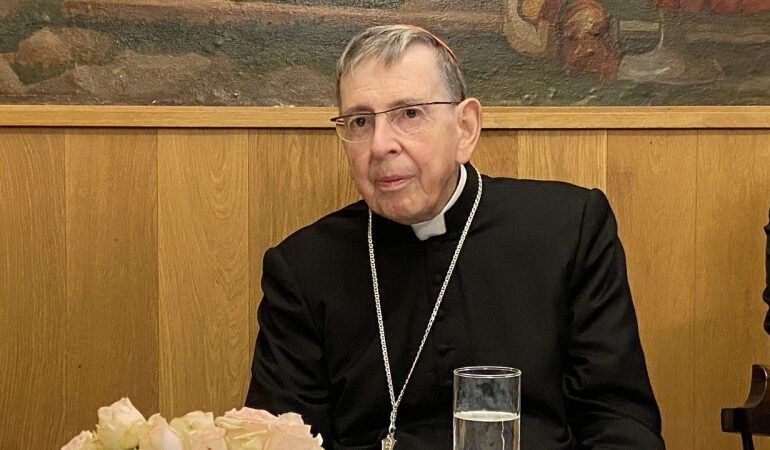

As Christians observe the annual Week of Prayer for Christian Unity, voices from the Vatican have renewed the call for unity as a witness not only within the Church but also before a divided world. In reflections shared during this period, Kurt Koch emphasized that ecumenism carries a responsibility that extends beyond theological dialogue. He underlined that Christian communities are challenged to embody unity in a global climate marked by fragmentation and tension. According to the cardinal, efforts toward unity lose credibility if Churches reproduce the same divisions found in society. Instead, he said, Christians are called to live and act in one Spirit despite legitimate differences, offering a visible sign of reconciliation. This perspective aligns with the broader vision encouraged by Dicastery for Promoting Christian Unity, which seeks to foster dialogue grounded in shared faith rather than competition. In this sense, unity becomes a lived testimony, capable of contributing quietly but meaningfully to peace.
Reflecting on the theme chosen for this year’s prayer week, the cardinal pointed to the symbolic importance of the biblical text from the Letter to the Ephesians, which affirms one body and one Spirit. Prepared with the involvement of the Armenian Apostolic Church, the text highlights unity as a foundational Christian calling rather than an optional aspiration. Cardinal Koch noted that the words of Saint Paul carry particular weight given the circumstances under which they were written, reminding believers that appeals for unity emerge most powerfully in times of trial. He stressed that Christian division weakens the Church’s capacity to speak credibly to the world, especially in moments of crisis. Unity, in this context, is not presented as uniformity but as communion rooted in shared faith. By returning to these scriptural foundations, the Church is invited to reassess how its internal relationships shape its moral and spiritual voice in contemporary society.
Looking ahead, Cardinal Koch addressed expectations surrounding future milestones in the ecumenical journey, including the year 2030, which marks five centuries since the Confessio Augustana. He cautioned against treating such dates as deadlines, insisting that authentic unity unfolds according to spiritual discernment rather than human scheduling. At the same time, he acknowledged the value of these anniversaries as opportunities for reflection and renewed commitment. Drawing on theological insights, he recalled that historical divisions were never intended outcomes but painful consequences of unresolved tensions. The cardinal also highlighted the enduring relevance of the faith articulated at the Council of Nicaea, whose legacy continues to challenge Christians to seek unity grounded in common belief. In reaffirming this shared foundation, the Church is encouraged to pursue ecumenism patiently, trusting that unity remains essential to its mission and witness in the world.