


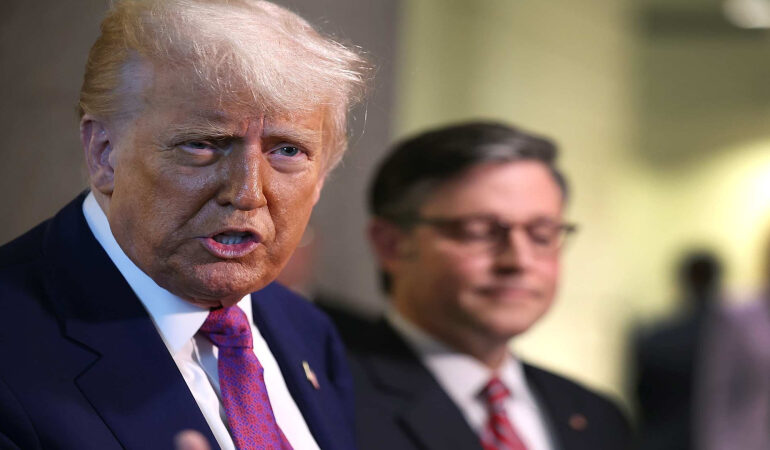

One year into President Donald Trump’s second term, Catholics in the United States are expressing a wide range of reactions shaped by both points of convergence and areas of deep concern. Many Catholic voters supported Trump in the 2024 election, and during his first year in office he adopted visible religious language, created a White House Faith Office, and issued proclamations recognizing Christian observances. These gestures were welcomed by some Catholics as signs of openness to faith in public life. At the same time, his administration’s policy record has prompted serious debate within Catholic circles, particularly where questions of human dignity, social justice, and moral consistency are involved. Church leaders, scholars, and Catholic organizations have emphasized that political alignment does not remove the need for ethical evaluation, especially when policies affect the poor, migrants, or those facing the death penalty.
Immigration enforcement and social welfare policy have emerged as major sources of tension. The administration expanded deportations and reduced funding for nongovernmental organizations that provide food, housing, and legal assistance, including Catholic agencies. The United States Conference of Catholic Bishops issued an unusually direct message calling for humane immigration reform and warning against indiscriminate enforcement practices. Catholic charities reported scaling back services after federal funding cuts, while advocacy groups expressed concern about fear among immigrant communities and access to due process. At the same time, scholars and pastoral leaders noted that reductions in nutrition and health programs have had consequences for vulnerable populations. These developments have led many Catholics to question whether national security and economic priorities are being balanced adequately with the Church’s social teaching on solidarity and care for the poor.
Other Catholics have viewed parts of the administration’s agenda more favorably, particularly executive actions related to gender policy and parental rights. Some Catholic ethicists and educators argue that these measures align more closely with Church teaching on the human person and biological sex, and they credit the administration with influencing public debate in these areas. At the same time, renewed support for the federal death penalty has drawn strong criticism from Catholic leadership, who reaffirm the Church’s teaching that capital punishment is inadmissible. As Catholics reflect on the first year of the administration, a common theme has been moral complexity rather than consensus. Supporters and critics alike have emphasized the need to evaluate policies issue by issue, guided not by party loyalty but by principles of human dignity, the common good, and the consistent ethic of life.