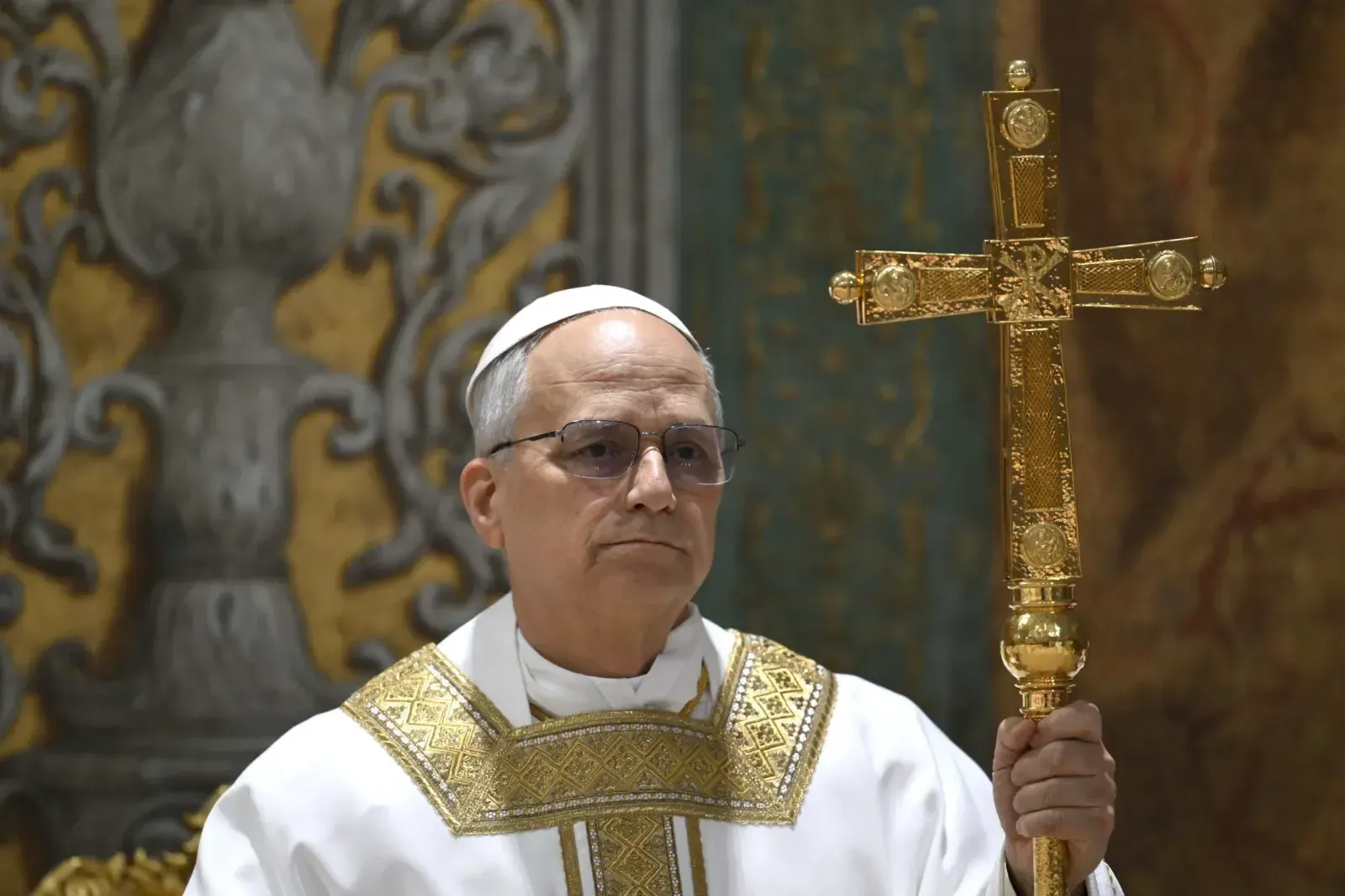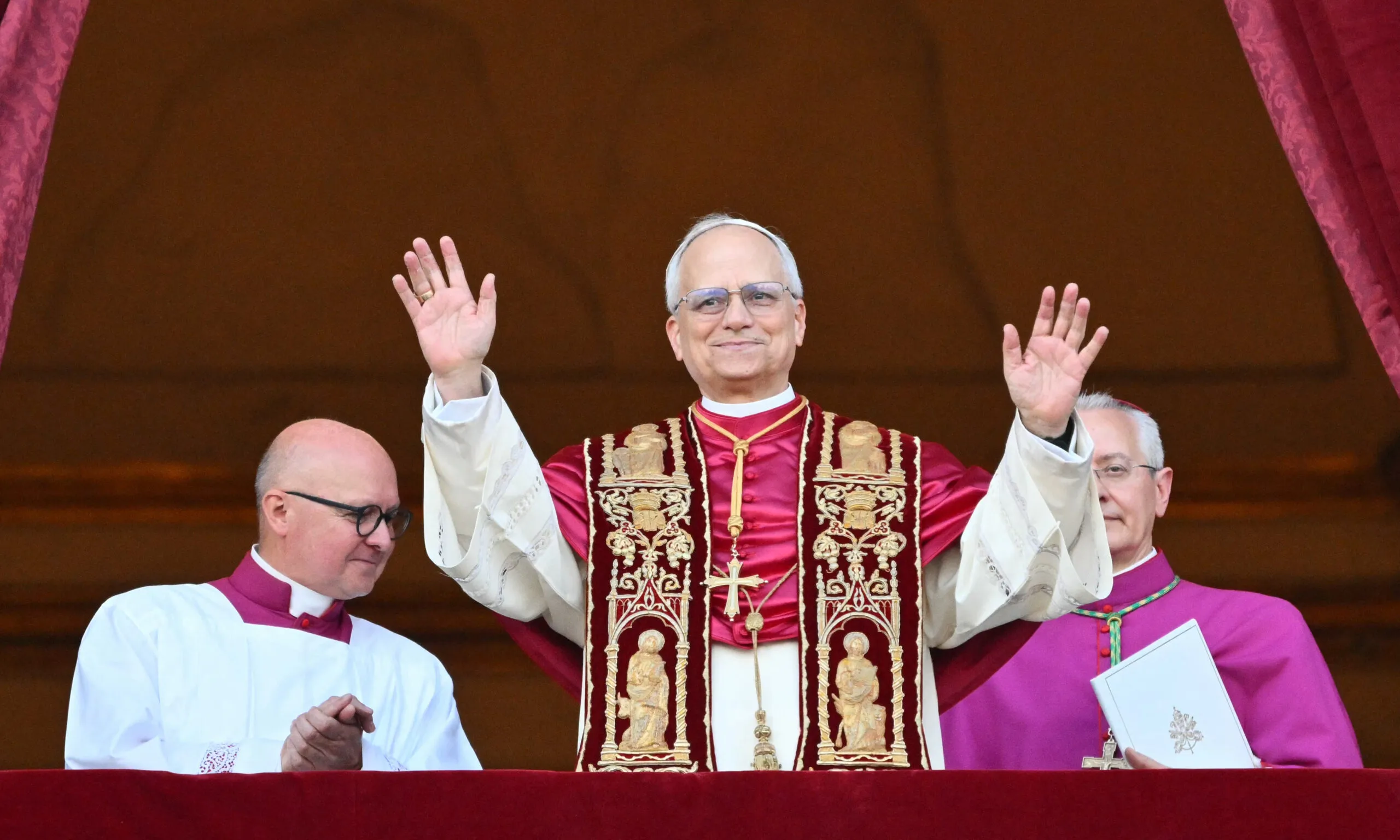


Pope Leo XIV Signals a Pastoral Reset Rooted in Stability Not Spectacle
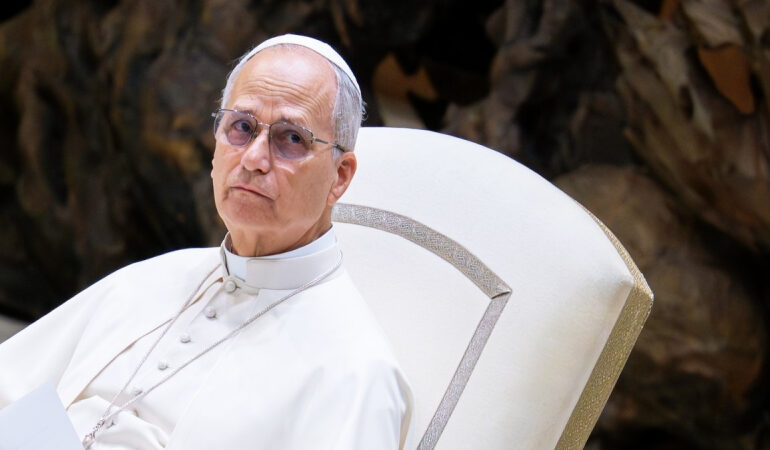

The opening weeks of a new pontificate often set expectations for years to come. In Rome, tone matters as much as policy, and the earliest gestures carry weight across dioceses worldwide. Since his election, Pope Leo XIV has projected a deliberate calm that contrasts with an era shaped by constant visibility and rapid response.
This approach does not signal retreat or indecision. Instead, it reflects a conscious choice to govern through steadiness, shared responsibility, and theological clarity. For a global Church facing internal strain and external skepticism, the emphasis on stability speaks to a desire for renewal through order rather than momentum.
A Pastoral Vision Centered on Continuity
Pope Leo XIV has framed his leadership around continuity with the Church’s long institutional memory. Early homilies have returned to foundational themes of service, obedience, and humility, avoiding rhetorical flourish in favor of pastoral instruction. The focus remains on strengthening parish life and episcopal accountability rather than unveiling headline reforms.
This vision suggests confidence in existing structures when they are properly exercised. By affirming the role of bishops and local churches, the pope underscores collegial governance over centralized direction. The message is clear that unity is built through shared responsibility rather than constant intervention from Rome.
Continuity also reassures communities unsettled by years of rapid cultural and ecclesial change. Stability, in this context, becomes a pastoral act that allows clergy and laity alike to rediscover trust in the Church’s rhythms and teachings.
Reframing the Papacy Beyond the Media Cycle
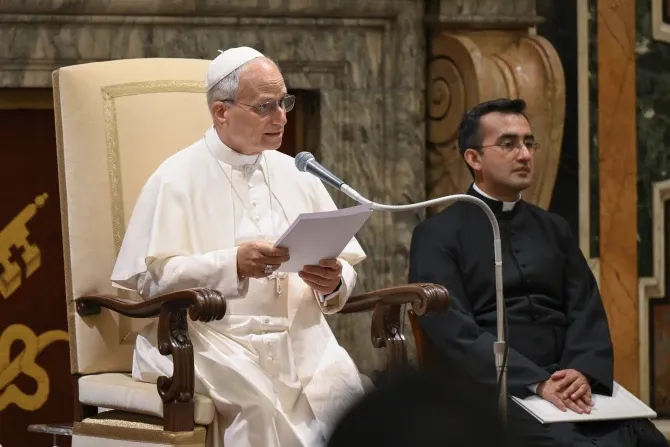
One notable aspect of the early pontificate is a measured relationship with public visibility. Pope Leo XIV has limited spontaneous gestures and unscripted commentary, choosing formal addresses and liturgical settings to communicate priorities. This does not diminish transparency but restores intention to papal speech.
By stepping back from constant media engagement, the papacy regains a sense of reserve that invites reflection rather than reaction. The Church’s voice becomes less about immediacy and more about discernment. In a digital age driven by speed, this restraint reasserts the value of patience and depth.
Such a reframing also protects the office from becoming synonymous with personality. The pope appears intent on ensuring that the institution speaks louder than the individual, reinforcing continuity beyond any single pontificate.
Strengthening Governance Through Quiet Discipline
Governance under Pope Leo XIV has emphasized internal coherence. Early administrative signals point to careful oversight, respect for established processes, and a renewed expectation of discipline within the Curia. These choices reflect an understanding that credibility is built through consistency rather than frequent restructuring.
The emphasis on order extends to financial and administrative conduct, where prudence and accountability are treated as moral responsibilities. This reinforces trust among the faithful and aligns Church governance with its ethical teaching.
By prioritizing discipline over spectacle, the pope advances reform through culture rather than decree. Over time, such an approach can yield deeper and more lasting change than abrupt structural shifts.
A Global Church Seeking Balance
Across continents, Catholic communities are navigating polarization, legal pressure, and cultural fragmentation. Pope Leo XIV’s steady tone offers a unifying reference point that transcends regional debates. The emphasis on shared doctrine and pastoral care creates space for dialogue without sacrificing clarity.
This balance allows the Church to remain present in public life without being consumed by it. Faith is presented not as a reaction to trends but as a stable witness grounded in tradition. For many believers, this orientation restores confidence in the Church’s ability to endure.
The early signals from Rome suggest a papacy attuned to fatigue within the global Church. Stability is not framed as resistance to change but as the foundation upon which meaningful renewal can occur.
Conclusion
Pope Leo XIV’s early leadership points to a papacy defined by steadiness, restraint, and institutional confidence. By choosing continuity over spectacle, he positions the Church to rebuild trust, deepen pastoral life, and speak with clarity in an unsettled world.