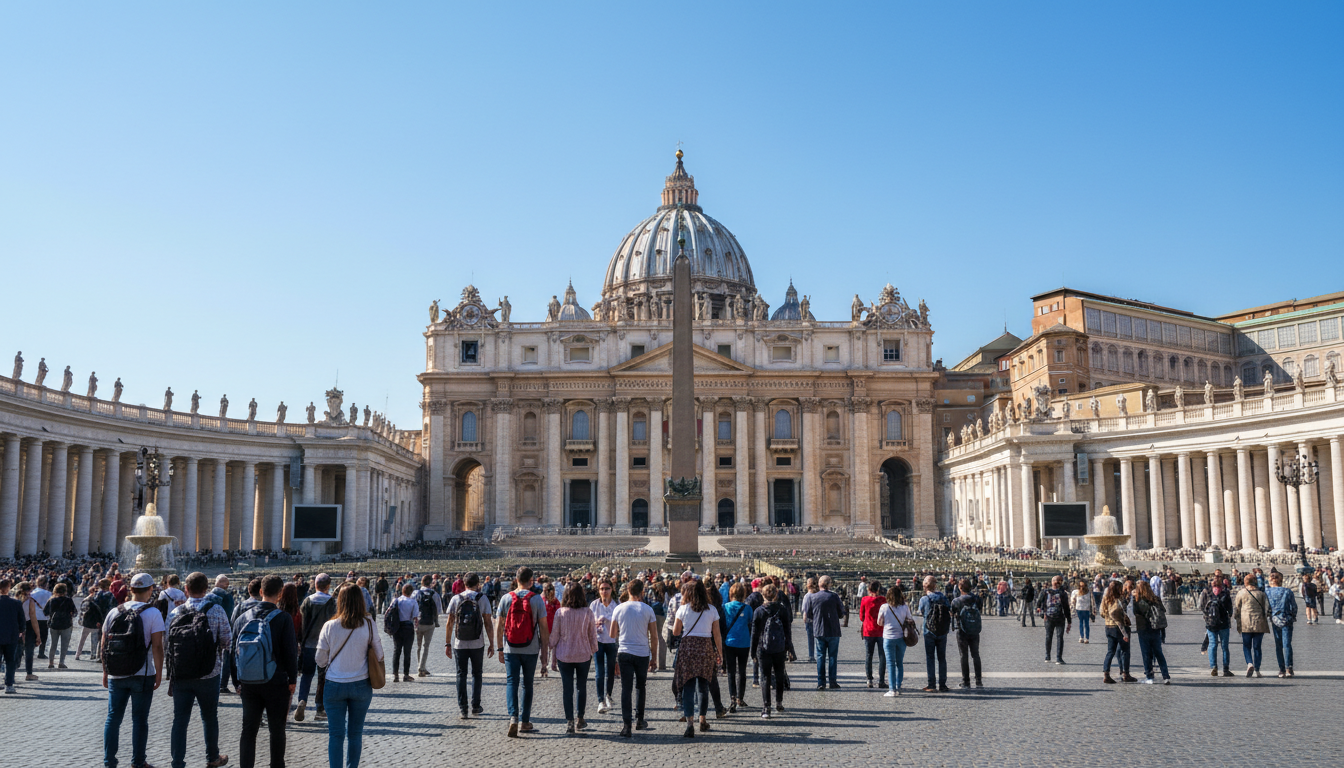


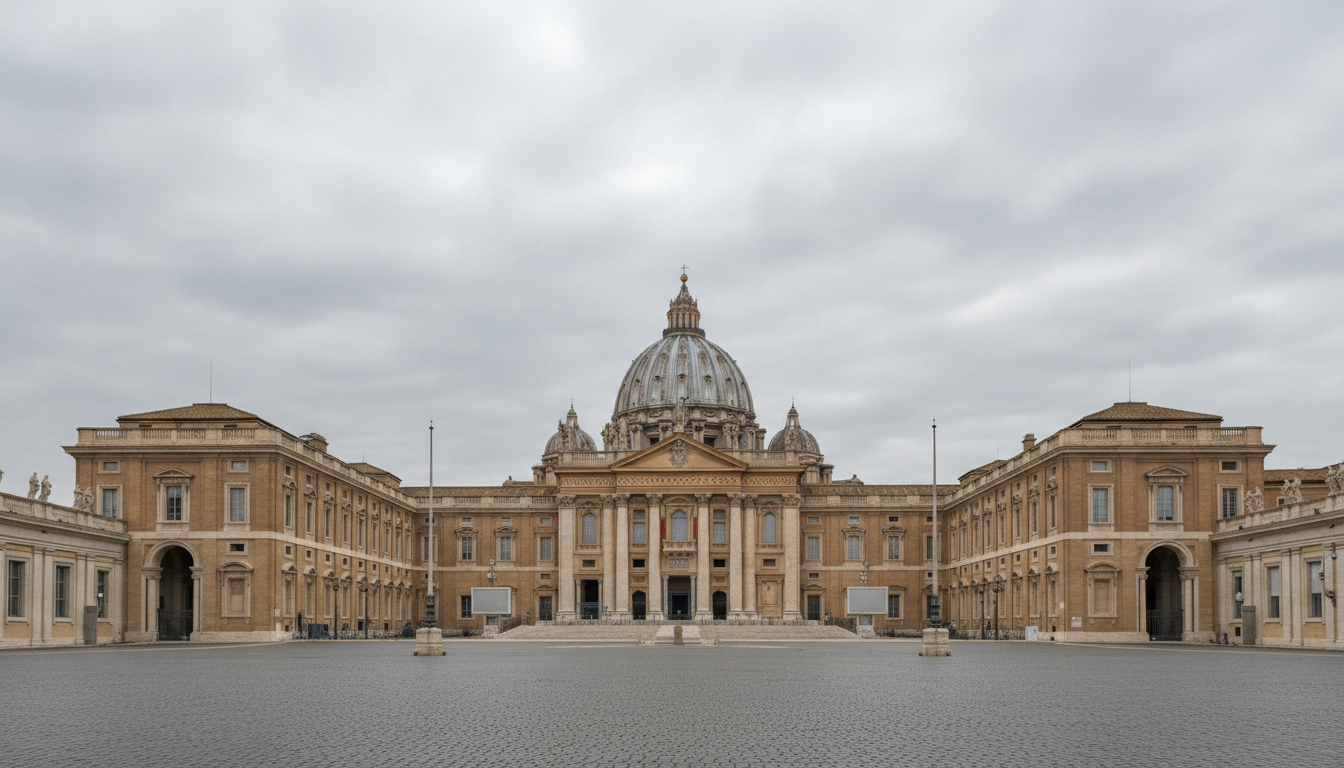

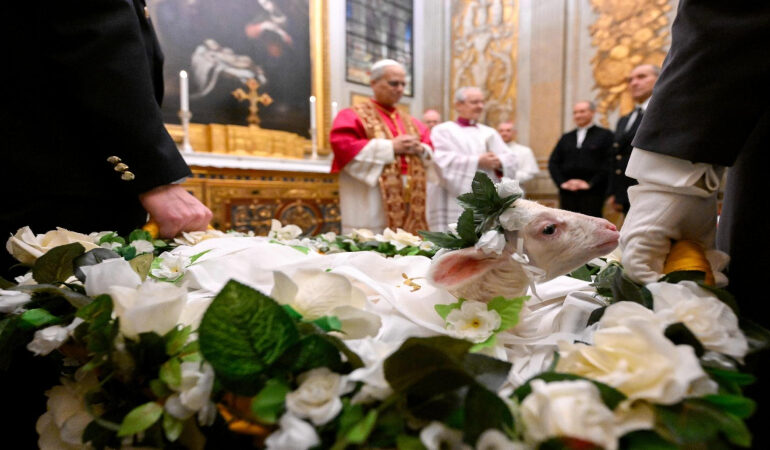

Pope Leo XIV took part in one of the Roman Church’s oldest living traditions on January 21, receiving two lambs on the Memorial of St Agnes of Rome. The gesture took place in the Vatican’s Urban VIII Chapel and reflects a custom rooted in centuries of liturgical symbolism. The presentation of the lambs is closely tied to the Church’s understanding of pastoral care, sacrifice, and spiritual authority. Though simple in appearance, the rite connects the present pontificate to a long historical memory that links martyrdom, purity, and ecclesial service. Observers noted that the tradition continues to resonate because it speaks through symbols rather than words, recalling the Church’s continuity across generations. The event unfolded quietly, without ceremony designed for spectacle, underscoring the Vatican’s emphasis on preserving meaning rather than performance within its rituals.
Following the presentation, the lambs were taken to the Basilica of St Agnes Outside the Walls, built over the tomb of the young martyr who died in the fourth century. There they were blessed in keeping with longstanding custom. The wool from the lambs will later be used to make the pallia destined for newly appointed metropolitan archbishops. These garments, worn over the shoulders, represent unity with the Bishop of Rome and responsibility for local churches. Their use reflects a theology of service rooted in closeness to the faithful rather than authority alone. The pallium’s simplicity, made from white wool and marked with crosses, reinforces the idea that ecclesial leadership is inseparable from humility and care. The preparation of these garments links prayer, labor, and tradition into a single ecclesial act.
The origins of the St Agnes lamb tradition date back to at least the sixth century and are intertwined with legend and lived practice. According to early accounts, Agnes appeared after her death holding a lamb, a symbol that later shaped the Church’s ritual imagination. Over time, the offering of lambs became associated with obligations between Roman basilicas and the papacy, embedding the practice into ecclesiastical life. For centuries, monks and nuns played a central role in maintaining the tradition, from raising the animals to weaving their wool. While some elements have evolved due to practical changes, the essential meaning remains intact. The ritual continues to express continuity between faith, memory, and embodied symbolism within the life of the Church.
In recent decades, adaptations have been made to the practice without abandoning its core significance. Sheep are no longer raised by monastic communities as they once were, and the Pope no longer blesses the lambs personally at the Vatican. Still, Benedictine nuns continue the careful work of shearing and preparing the wool during Holy Week, ensuring the tradition remains anchored in prayer and craftsmanship. The pallia will be conferred later in the year on the Solemnity of Saints Peter and Paul, reinforcing the link between apostolic witness and pastoral responsibility. In an era shaped by rapid change, the continuation of this ritual serves as a reminder that the Church’s identity is sustained not only through words and documents, but through gestures that quietly transmit meaning across time.