




A former Catholic priest in Brazil has been sentenced to more than two decades in prison for the rape of a three year old child, bringing a measure of judicial accountability in a case that has deeply shaken survivors and the wider Church community. The ruling was handed down by a court in Minas Gerais, which convicted the 78 year old former cleric of committing the crime during a visit to a rural property he owned in 2016. The court also ordered financial compensation to the victim, whose identity remains protected. The conviction follows years of allegations by dozens of women who accused the former priest of sexual abuse spanning several decades. For many survivors, the sentence represents a rare moment of recognition after years of silence, fear, and institutional inaction. The case has reignited painful discussions in Brazil about clerical abuse, delayed justice, and the long lasting harm suffered by victims.
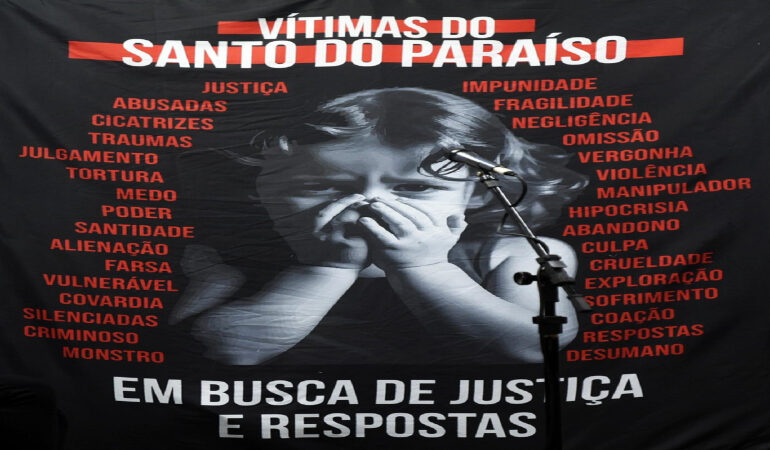
The investigation gained momentum after survivors began coming forward publicly, breaking years of isolation and disbelief. One of the women who helped organize other victims described how abuse allegedly took place in private settings tied to parish life, including trips, confessions, and meetings presented as pastoral care. Many victims were children at the time and said they struggled for years to understand or speak about what had happened. Psychological consequences, including trauma and long term mental health struggles, were widely reported. As testimonies accumulated, civil authorities opened a formal inquiry, leading to the former priest’s suspension from ministry and eventual removal from clerical status. Despite this, many of the alleged crimes could not be prosecuted due to statutes of limitation, leaving survivors with a sense that justice arrived too late or only partially.
The case has also drawn scrutiny toward Church oversight and internal accountability. Survivors and their legal representatives allege that Church authorities were aware of abusive behavior years earlier but failed to act decisively. While the Archdiocese launched its own inquiry once civil investigations began, victims have said communication was limited and opaque. Legal counsel for survivors is now considering broader legal action that could include institutional responsibility. The conviction has raised questions about how cases of abuse were handled in past decades and whether earlier intervention could have prevented further harm. For many affected, the outcome underscores the need for transparency, survivor centered processes, and sustained institutional reform to rebuild trust that has been deeply eroded.
The former priest’s defense has announced plans to appeal the conviction, arguing procedural flaws and disputing the evidence presented in court. Meanwhile, survivors say they will continue to follow the case closely, emphasizing that legal outcomes do not erase personal and spiritual wounds. Several have spoken of lasting damage to their relationship with faith and community, describing feelings of alienation within parishes that once offered belonging. The case stands as another chapter in Brazil’s broader reckoning with clerical abuse, highlighting both the courage of survivors who speak out and the heavy cost of delayed accountability. As legal proceedings continue, the conviction has become a symbol of the long struggle for justice faced by victims seeking acknowledgment, dignity, and healing.