


Pope Leo XIV Signals a Governance First Papacy in His Opening Weeks
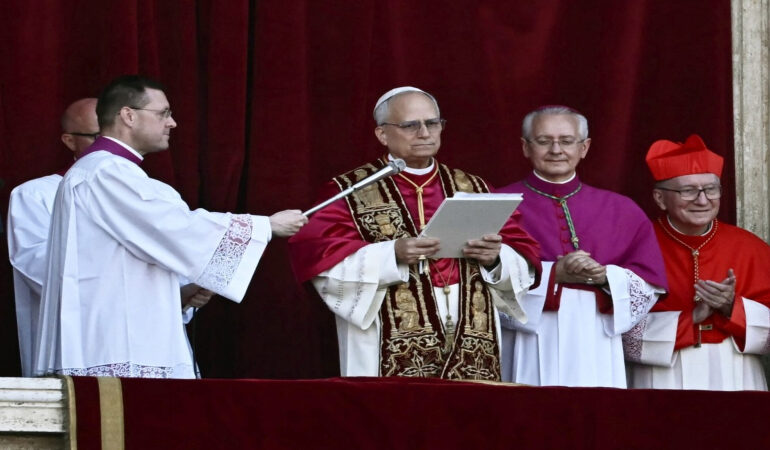

The opening weeks of Pope Leo XIV’s pontificate have offered a clear indication of leadership priorities that favor institutional clarity over symbolic visibility. Rather than beginning his tenure with sweeping public gestures, the new pope has focused inward, addressing the internal mechanics that sustain the Vatican’s global mission. This early approach has drawn attention not for what has been announced, but for how deliberately it has been executed.
For many observers, this tone reflects a papacy shaped by long experience within Church administration. Pope Leo XIV appears keenly aware that spiritual authority and effective governance are inseparable in a Church that spans continents, cultures, and legal systems. His early actions suggest that coherence, trust, and procedural discipline will form the foundation of his leadership.
Recentering the Papacy on Institutional Governance
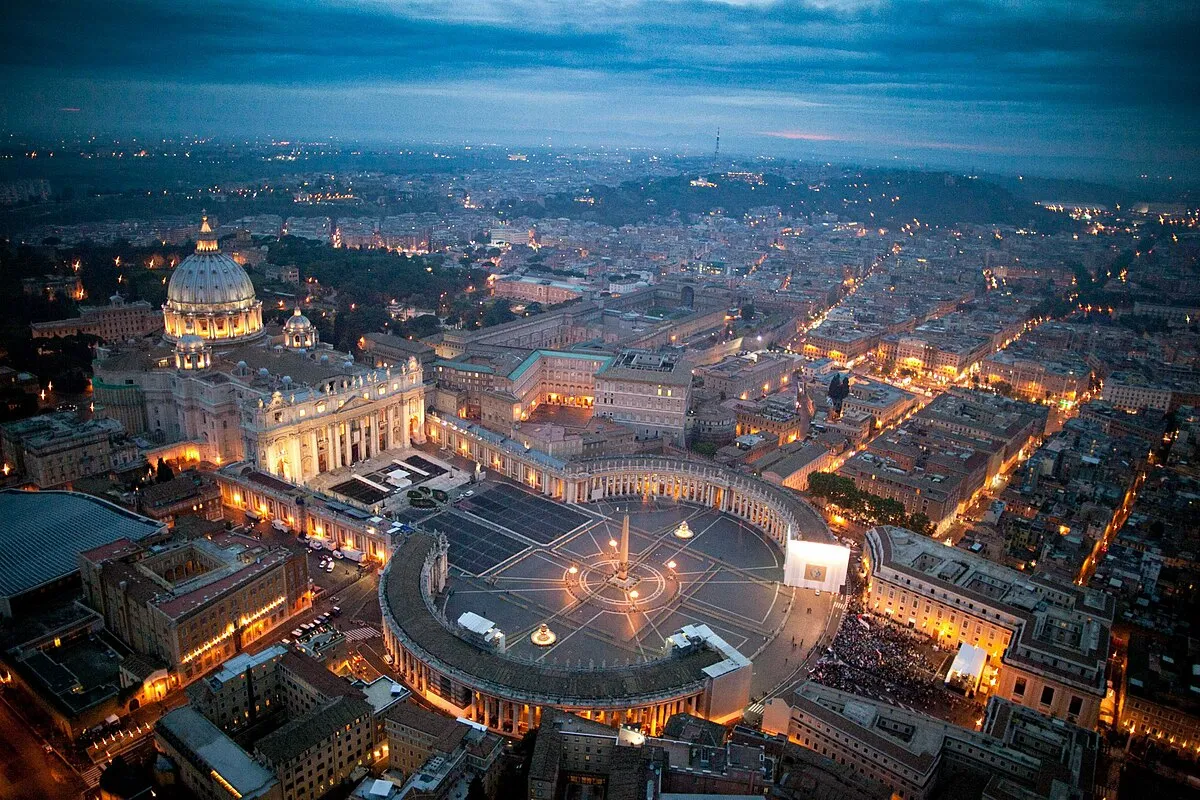
One of the most notable features of Pope Leo XIV’s early weeks has been his emphasis on the Vatican as a functioning governing institution. Meetings with senior officials have focused on coordination rather than restructuring, signaling a preference for strengthening existing frameworks instead of introducing immediate structural change. This has reassured many within the Roman Curia that continuity remains a priority.
By reinforcing established procedures, the pope is emphasizing accountability within Church leadership. Governance, in this context, is not presented as bureaucratic necessity but as pastoral responsibility. Decisions made in Rome affect dioceses worldwide, and Pope Leo XIV’s approach underscores the importance of disciplined administration in serving the global faithful.
This recalibration also reflects an understanding that credibility is built through consistency. A stable governance environment allows the Church to address theological, social, and ethical questions without internal distraction. In this sense, governance becomes a form of stewardship.
Strengthening the Role of the Roman Curia
The Roman Curia plays a central role in translating papal vision into operational reality, and Pope Leo XIV has treated it as a partner rather than an obstacle. His early engagements suggest an intent to clarify roles and responsibilities within the Curia, ensuring that departments operate with shared purpose rather than competing mandates.
This approach recognizes the Curia as a service body rather than a power center. By reaffirming its mission-driven function, the pope is signaling that authority flows from service to the universal Church. Such clarity reduces internal friction and allows for more effective pastoral and diplomatic engagement.
The emphasis on collaboration also reflects a broader ecclesial philosophy. Pope Leo XIV appears committed to governance that listens before it acts, valuing institutional memory while remaining open to careful reform when needed.
A Measured Approach to Reform and Change
Reform under Pope Leo XIV appears set to be incremental rather than declarative. Instead of announcing broad initiatives, the pope has opted to assess existing structures and practices before proposing adjustments. This methodical pace aligns with a governance-first mindset that prioritizes sustainability over speed.
Such restraint may frustrate those seeking immediate transformation, but it carries strategic value. Gradual reform allows for consultation, evaluation, and consensus building, reducing the risk of disruption across dioceses and institutions. It also signals respect for the complexity of the Church’s global operations.
In this context, reform is framed not as correction but as refinement. Pope Leo XIV’s leadership suggests that lasting change is best achieved through alignment rather than disruption.
Global Implications for the Catholic Church
The pope’s early governance focus has implications well beyond the Vatican. Dioceses, episcopal conferences, and Catholic institutions worldwide often look to Rome for cues on leadership style and priorities. A governance-centered papacy sets a tone that values structure, responsibility, and long-term planning.
This approach may encourage local churches to invest more deeply in administrative integrity and institutional transparency. By modeling disciplined leadership at the center, Pope Leo XIV reinforces the idea that effective governance supports, rather than hinders, pastoral mission.
For a global Church navigating cultural change and social complexity, such leadership offers stability. It suggests a papacy prepared to guide through coherence rather than constant reinvention.
Conclusion
Pope Leo XIV’s opening weeks point to a pontificate grounded in governance, continuity, and institutional responsibility. By prioritizing structure over spectacle, he is shaping a leadership model that views effective administration as essential to spiritual mission. This governance-first approach sets a steady tone for the years ahead and signals a papacy focused on durability, credibility, and service to the global Church.