


Why the Church Prays Each Year for Christian Unity
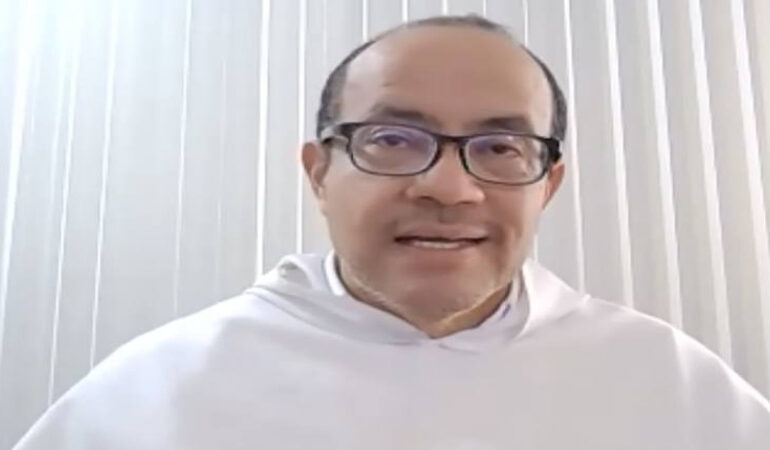

Each January, the Catholic Church sets aside a full week dedicated to prayer for Christian unity, a practice rooted in both theology and Scripture rather than sentiment alone. Speaking during this year’s observance, Dominican theologian Nelson Medina explained that the initiative reflects a core Christian conviction: division is the fruit of sin, while unity is a sign of reconciliation in Christ. For the Church, praying for unity is not optional or symbolic, but an act of fidelity to God’s will. The Church understands unity as something to be sought humbly through conversion, prayer, and truth, not as a political project or a gesture of courtesy. The annual week offers believers a structured moment to recall that Christian division contradicts the Gospel itself and weakens the Church’s witness in a fragmented world.
The biblical foundation of the Week of Prayer is found in the prayer of Jesus recorded in the seventeenth chapter of the Gospel of John, where Christ asks that his disciples may all be one. According to Medina, this prayer emerges from the most intimate moment before the Passion, giving it particular weight in Christian life. For this reason, unity is not merely a future hope but a responsibility entrusted to the Church in every generation. This year’s theme, One Body One Spirit, reflects the conviction that unity must be both interior and visible. While spiritual communion begins in the heart through the work of the Holy Spirit, the Church also insists that authentic unity must eventually be expressed in shared faith, sacramental life, and ecclesial structure.
Medina stressed that genuine ecumenism requires serious theological engagement rather than superficial gestures. Shared meals, photographs, or symbolic events, while valuable, cannot substitute for sustained dialogue grounded in truth. The aim of Christian unity is not to blur doctrinal differences or ignore real divisions, but to confront them honestly in charity. This theological depth, he said, enables Christians to collaborate more effectively on urgent moral concerns, including the defense of human life, social justice, care for creation, and the dignity of the human person. Working together on these issues often breaks down prejudice and builds trust, creating conditions in which deeper unity becomes possible over time.
At the pastoral level, Medina warned that the pursuit of unity must be guided carefully to avoid confusion among the faithful. He noted that some communities neglect ecumenism entirely, while others engage in practices that risk undermining Catholic teaching, particularly regarding the Eucharist. For the Church, unity cannot be rushed or improvised, but must follow clear principles set by ecclesial authority. Formation, patience, and obedience are essential so that ecumenical enthusiasm does not lead to doctrinal ambiguity. The Week of Prayer for Christian Unity thus serves not only as an invitation to pray together, but as a reminder that unity is a demanding and disciplined path requiring both love and truth.