


Survey Shows Accelerating Decline of Catholic Identity in Latin America
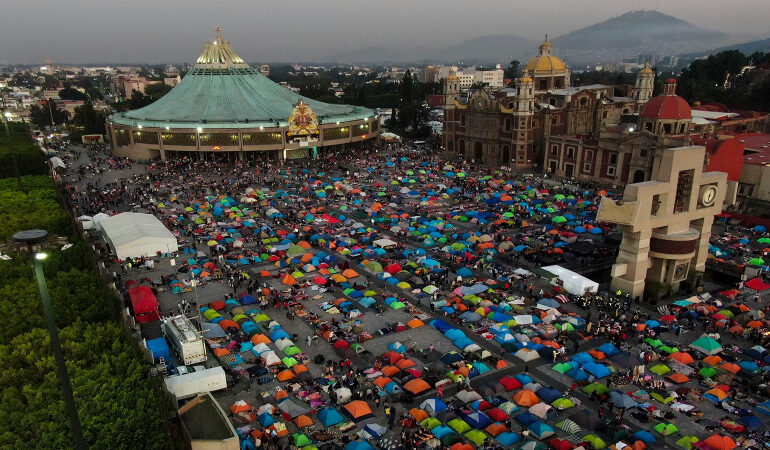

Catholic affiliation across Latin America has continued a marked decline over the past decade, according to a new multi country survey released this week by the Pew Research Center. The study, conducted in 2024 across Argentina, Brazil, Chile, Colombia, Mexico, and Peru, found that the share of adults identifying as Catholic fell in every country surveyed, while the number of people describing themselves as religiously unaffiliated rose sharply. Colombia recorded the steepest drop, with Catholic identification falling from nearly eight in ten adults a decade ago to six in ten today. Even in countries where Catholicism remains culturally dominant, the data suggests a steady erosion of formal religious identity, reflecting long term shifts in belief, practice, and institutional trust.
The rise of the religiously unaffiliated has been particularly striking. In Chile and Colombia, roughly one third and nearly one quarter of adults respectively now identify with no religious tradition, representing some of the fastest gains recorded anywhere in the region. While Brazil and Peru saw smaller increases, the upward trend was consistent across all six countries. The findings suggest that Latin America is no longer an exception to global patterns of religious disaffiliation, even as cultural expressions of faith remain visible. At the same time, Protestant affiliation has largely stabilized, and in several countries the proportion of Protestants identifying as Pentecostal has declined, indicating a more complex religious realignment rather than a simple transfer of believers from Catholicism to evangelical churches.
Patterns of religious practice further illustrate the changing landscape. Protestants across the region reported significantly higher rates of weekly worship attendance than Catholics, particularly in Brazil and Colombia. Catholic participation, by contrast, was uneven and in some countries notably low, with Chile and Argentina showing single digit or near single digit weekly attendance rates. Yet the survey complicates assumptions about secularization by revealing that many who identify as religiously unaffiliated continue to pray regularly and express belief in God. In several countries, daily prayer among the unaffiliated rivals or exceeds that of Christians in Europe, suggesting a shift away from institutional religion rather than a rejection of spirituality itself.
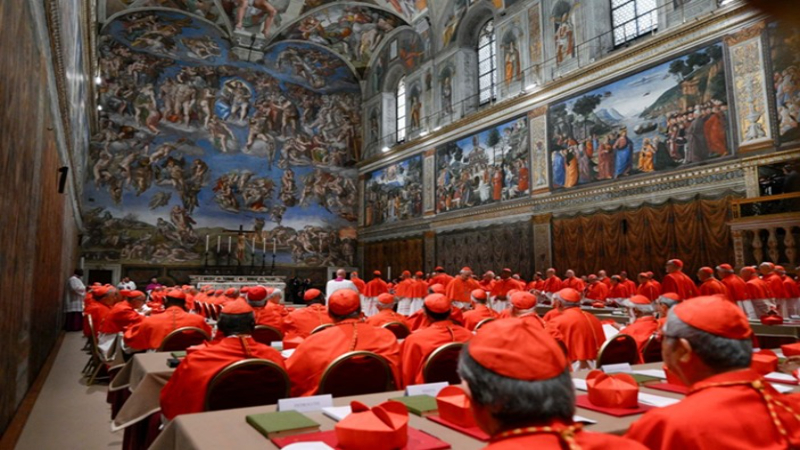
The data also points to a growing mix of beliefs alongside declining formal affiliation. Significant portions of the population, including Catholics and the unaffiliated, reported belief in reincarnation, spiritual energies in nature, and other practices associated with Indigenous or African rooted traditions. These findings indicate that religious change in Latin America is not simply a move toward disbelief, but toward individualized and hybrid forms of spirituality. The survey comes as the region reflects on its religious identity under the pontificate of Pope Leo XIV, whose pastoral experience in Latin America gives particular resonance to the trends now documented. Together, the findings portray a region in religious transition, where Catholic cultural influence remains strong even as institutional belonging continues to recede.