


Latin America Shaped New York’s New Archbishop
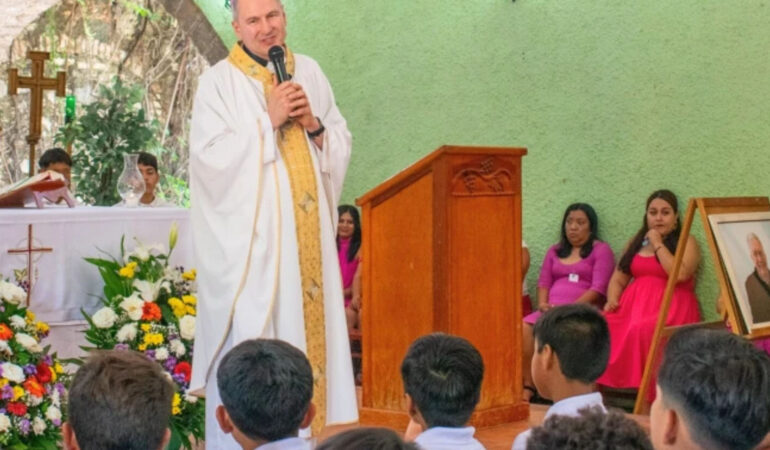

The pastoral outlook of the newly appointed archbishop of New York has been deeply shaped by years spent living and working among vulnerable communities in Latin America, experiences that Church officials and collaborators say continue to define his approach to ministry. Ronald A. Hicks, recently appointed by Pope Leo XIV, arrives at one of the most prominent dioceses in the United States with a background rooted in direct service to children and families facing extreme hardship. Before entering seminary formation, Hicks volunteered with the organization Nuestros Pequeños Hermanos, an international network of homes caring for disadvantaged children across Latin America. Colleagues from that period describe a formative immersion that emphasized presence, listening, and shared daily life rather than administrative distance.
Hicks first arrived in Mexico in 1989 as a volunteer with Nuestros Pequeños Hermanos, later known by its English name Our Little Brothers. Founded in 1954, the organization provides housing, education, and medical care to children who have lost parental support or face severe social risk. Witnesses from that period recall Hicks as closely involved in the everyday lives of the children, maintaining personal relationships that extended beyond formal responsibilities. Even after returning to the United States to begin priestly formation, those connections endured. Former residents and staff describe sustained contact and personal concern that continued across years and borders, reflecting a pastoral style centered on individual dignity rather than institutional role.
In 2005, Hicks returned to Central America as a priest, serving as regional director of the organization’s operations in Guatemala, Honduras, Nicaragua, and El Salvador. Based primarily in El Salvador, he oversaw multiple residential communities caring for hundreds of children while coordinating staff and resources across the region. Collaborators from that period describe a leadership style marked by humility, organization, and accessibility. Despite administrative responsibilities, Hicks was known for prioritizing time with children and staff, learning names, attending celebrations and funerals, and remaining personally present during moments of crisis. Those who worked alongside him say this balance of structure and empathy shaped local trust and strengthened community cohesion.
In later reflections, Hicks has described his years in Central America as life changing, recounting moments that challenged his understanding of priestly leadership. He has said that encounters with young people prompted a shift away from a task oriented mindset toward a more relational and pastoral presence. That experience, he later explained, influenced his vision of episcopal ministry as one rooted in closeness to the people. As he prepares to assume leadership of the Archdiocese of New York, former collaborators say the Church there will receive a pastor formed not only by governance but by lived encounter with poverty, resilience, and faith expressed in daily life.