

Fading Holocaust Memory Alarms Auschwitz Museum Chief
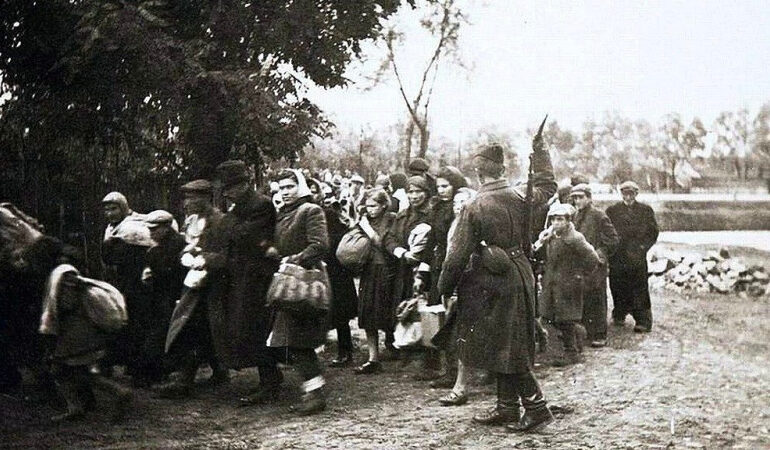

As the world marks International Holocaust Remembrance Day, concern is growing that the moral lessons drawn from one of history’s darkest chapters are losing their hold on public consciousness. The director of the Auschwitz-Birkenau State Museum has warned that the erosion of collective memory comes at a moment of profound global instability, where political divisions, cultural upheaval, and weakened international norms threaten to repeat patterns of exclusion and violence. Former prisoners who survived the camp, he noted, observe current events with unease, questioning whether their suffering continues to carry meaning for newer generations. They endured a reality so extreme that its full weight can never be fully communicated, yet they entrusted humanity with fragments of that experience in the hope it would guide future choices. Preserving that inheritance, he stressed, is not an abstract duty but a safeguard for societies facing renewed intolerance.
Reflecting on decades of testimony from survivors, the museum’s leadership emphasized that the stories passed down were shaped by what victims believed the world could understand and responsibly carry forward. These accounts were not merely historical records but moral warnings drawn from lives shattered by systematic hatred and dehumanization. As the survivor generation steadily fades, the responsibility to transmit their experience shifts decisively to institutions, educators, and communities. The challenge lies not only in remembering events but in drawing consequences for the present and future, especially as antisemitism and other forms of prejudice resurface in public discourse. The director underscored that memory must remain active and demanding, capable of shaping ethical judgment and civic responsibility rather than being confined to commemorative rituals detached from contemporary realities.
International Holocaust Remembrance Day, observed each year on January 27 to mark the liberation of Auschwitz, was established to honor the millions of Jewish victims murdered by Nazi Germany during the Second World War. Beyond remembrance, the day serves as a call to vigilance against ideologies that deny human dignity. Church leaders and cultural institutions alike have reiterated that rejecting antisemitism is inseparable from defending the foundations of a humane society. In this context, safeguarding Holocaust memory becomes an urgent moral task, especially as global tensions intensify and historical distortions gain traction. Ensuring that the experiences of those who suffered endure, the museum director argued, is essential to preventing indifference and to sustaining a moral compass capable of resisting hatred in all its modern forms.