

Church Renews Stand Against Antisemitism on Holocaust Day
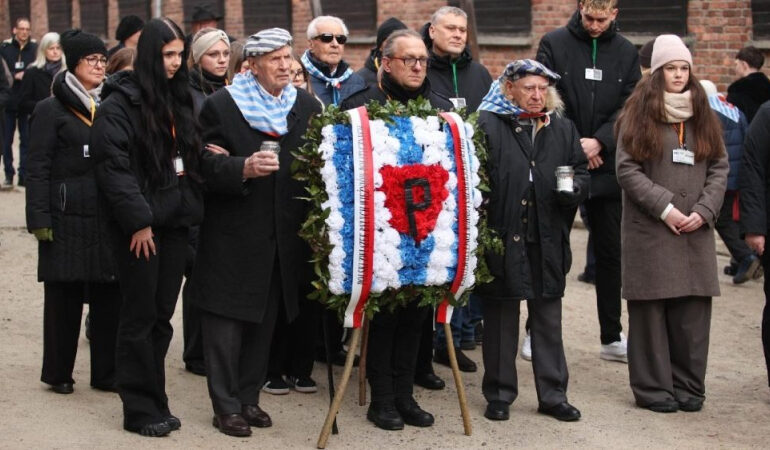

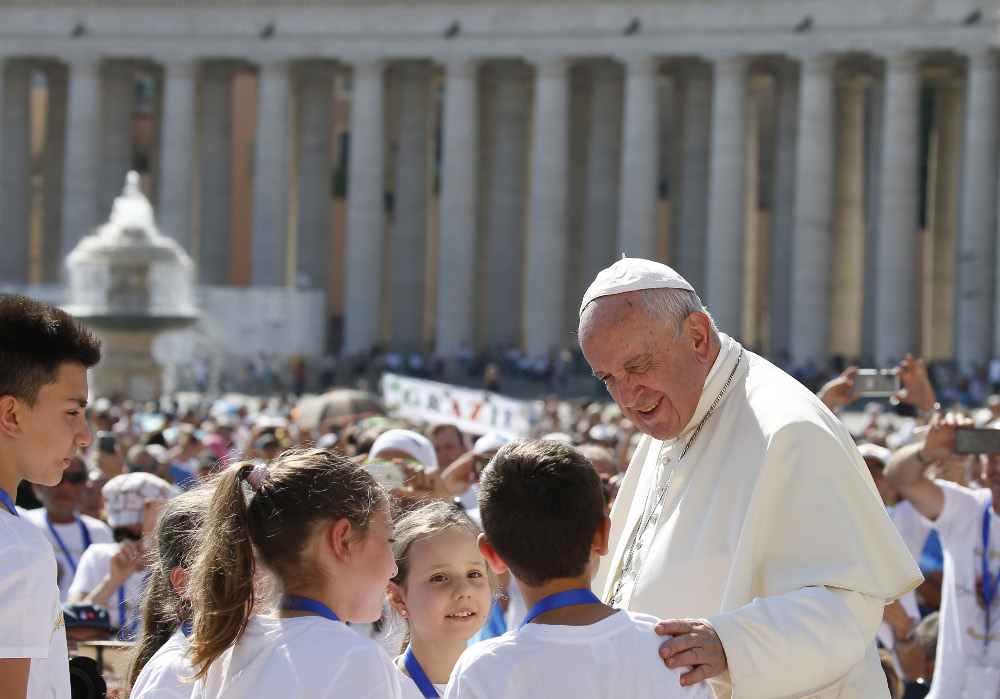
Eighty one years after the liberation of Auschwitz Birkenau, the world marked International Holocaust Remembrance Day with renewed warnings against antisemitism and all forms of hatred that threaten human dignity. The anniversary coincided with twenty five years since the United Nations formally established the day to honor the millions of Jewish victims murdered during the Second World War. In a message shared globally, Pope Leo XIV reaffirmed the Church’s unwavering rejection of antisemitism, stressing that discrimination based on ethnicity, religion, language, or nationality has no place in a just society. The Pope recalled the enduring significance of the Church’s post war commitment to dialogue and respect, emphasizing that remembrance is not only about honoring the dead but about protecting the living. He warned that forgetting history risks reopening the door to the same prejudices that once led to systematic extermination and moral collapse.
International Holocaust Remembrance Day, observed annually on January 27, was established by the United Nations to ensure that the lessons of the Holocaust remain central to global conscience. The date marks the liberation of Auschwitz Birkenau, where more than one million people were murdered, the majority of them Jews. From the devastation of the Holocaust emerged the modern international order, including landmark commitments such as the Universal Declaration of Human Rights and the Genocide Convention, both adopted in 1948. These frameworks were designed to prevent the recurrence of atrocities rooted in hatred and dehumanization. The UN has repeatedly stressed that Holocaust remembrance serves as a permanent warning about the dangers of racism, bigotry, and indifference. Commemorations held at the General Assembly and in member states worldwide continue to underline that remembrance is inseparable from the defense of human rights and international law.
This year’s observance placed particular emphasis on the theme of dignity and human rights, highlighting the responsibility of present and future generations to confront rising antisemitism and historical distortion. International bodies have warned that denial and trivialization of the Holocaust are increasing, accompanied by a sharp rise in hateful rhetoric across digital platforms and public life. Remembering the Holocaust, UN officials have noted, directly challenges falsehoods and insists on the humanity of victims whose communities and traditions were targeted for eradication. Educational initiatives, survivor testimonies, and public ceremonies remain essential tools in ensuring that the Holocaust is not reduced to abstract history. As the number of living survivors declines, the duty to preserve memory becomes even more urgent. The day stands as a call to reflection and action, urging societies to resist apathy and to safeguard the dignity of every person.