




Ceasefire Brings Relief to Gaza Children but Crisis Persists
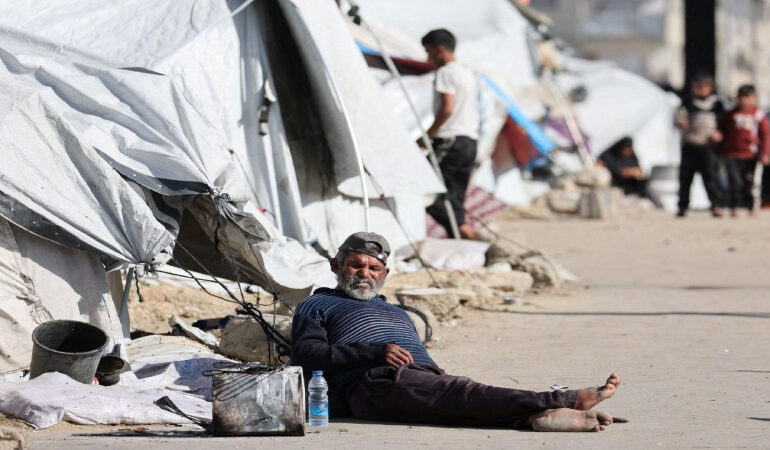

A fragile ceasefire in Gaza has eased some of the most acute pressures on civilians, offering limited relief to children after months of intense conflict, yet humanitarian agencies warn that the situation remains dire. United Nations officials say improved access has allowed food, water, and basic services to reach large parts of the population, benefiting more than one million children. Aid deliveries have increased markedly, reversing famine conditions in several areas and restoring essential services that had collapsed during fighting. Clean drinking water is now reaching hundreds of thousands of people, winter clothing and blankets have been distributed, and health facilities damaged during hostilities are slowly resuming operations. For many families, these developments have brought cautious hope after prolonged deprivation, even as displacement, trauma, and loss continue to shape daily life across Gaza and the wider Palestinian territories.
Despite these gains, humanitarian officials stress that progress remains painfully fragile. Hundreds of thousands of families continue to live in makeshift shelters exposed to harsh winter conditions, while access to adequate housing remains out of reach for many of the 1.3 million people still displaced. Since the ceasefire began, at least one hundred children have died, and nearly one hundred thousand remain severely malnourished, requiring constant medical supervision and nutritional support. Health workers have also reported deaths linked to hypothermia as winter storms swept through the region. While food distributions, hot meals, and school snack programs have expanded, the scale of need continues to outpace available resources. The restoration of pediatric care units and monthly food rations has helped stabilize conditions, but aid agencies warn that without sustained access and funding, recent improvements could quickly unravel.
Officials from UNICEF and the United Nations have emphasized that maintaining the ceasefire and ensuring continuous humanitarian access are essential to preventing further loss of life. They have called for the consistent opening and operation of border crossings to allow relief supplies, medical equipment, and shelter materials to enter at scale. Beyond immediate survival, they argue that children need stability, education, and long term care to recover from the physical and psychological toll of war. Resilience is visible in children returning to learning spaces and families attempting to rebuild routines, but aid leaders warn that goodwill alone cannot replace decisive political action. Without firm commitments to protect civilians and uphold humanitarian access, the lives and futures of Gaza’s children remain at risk.