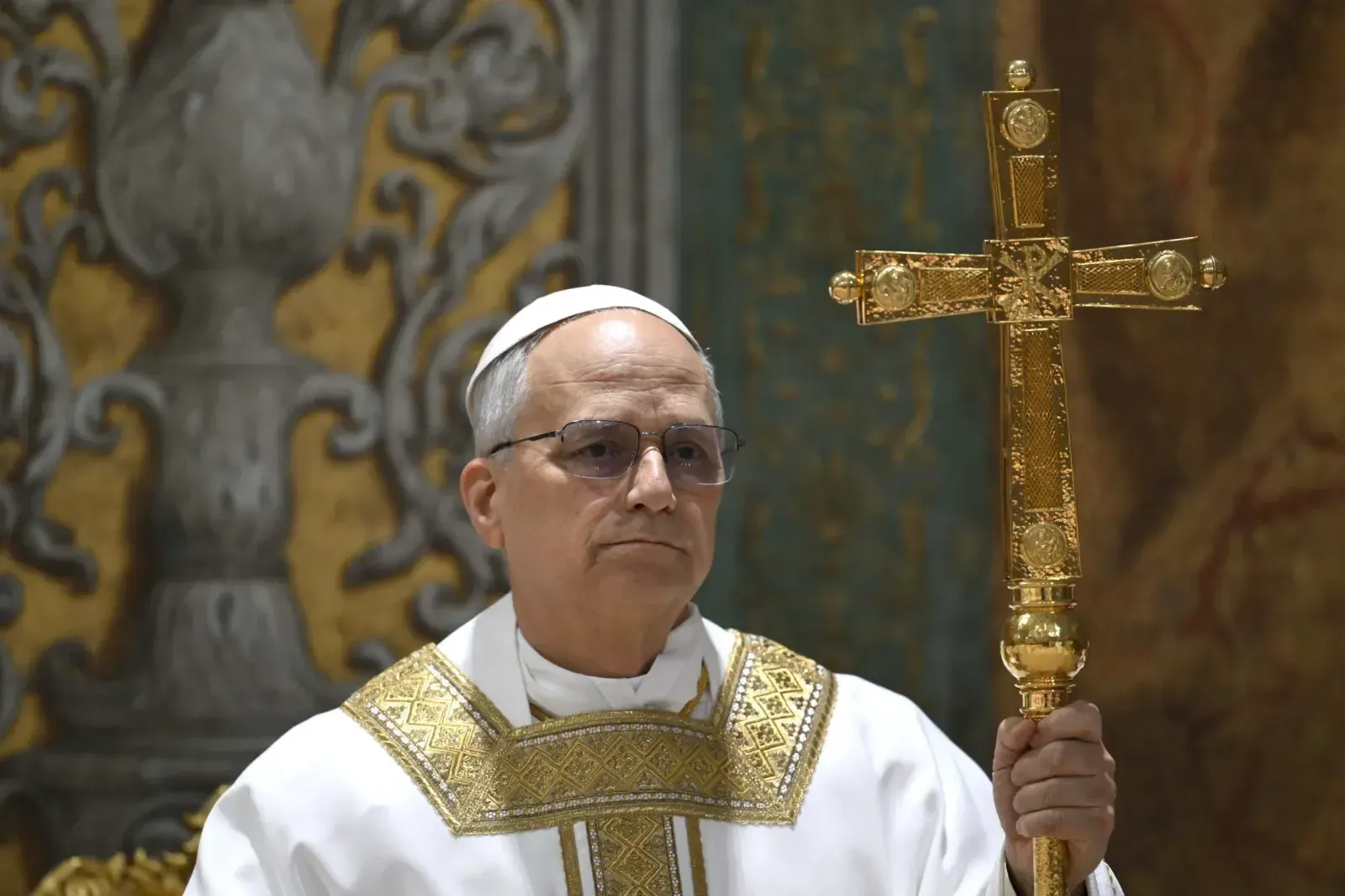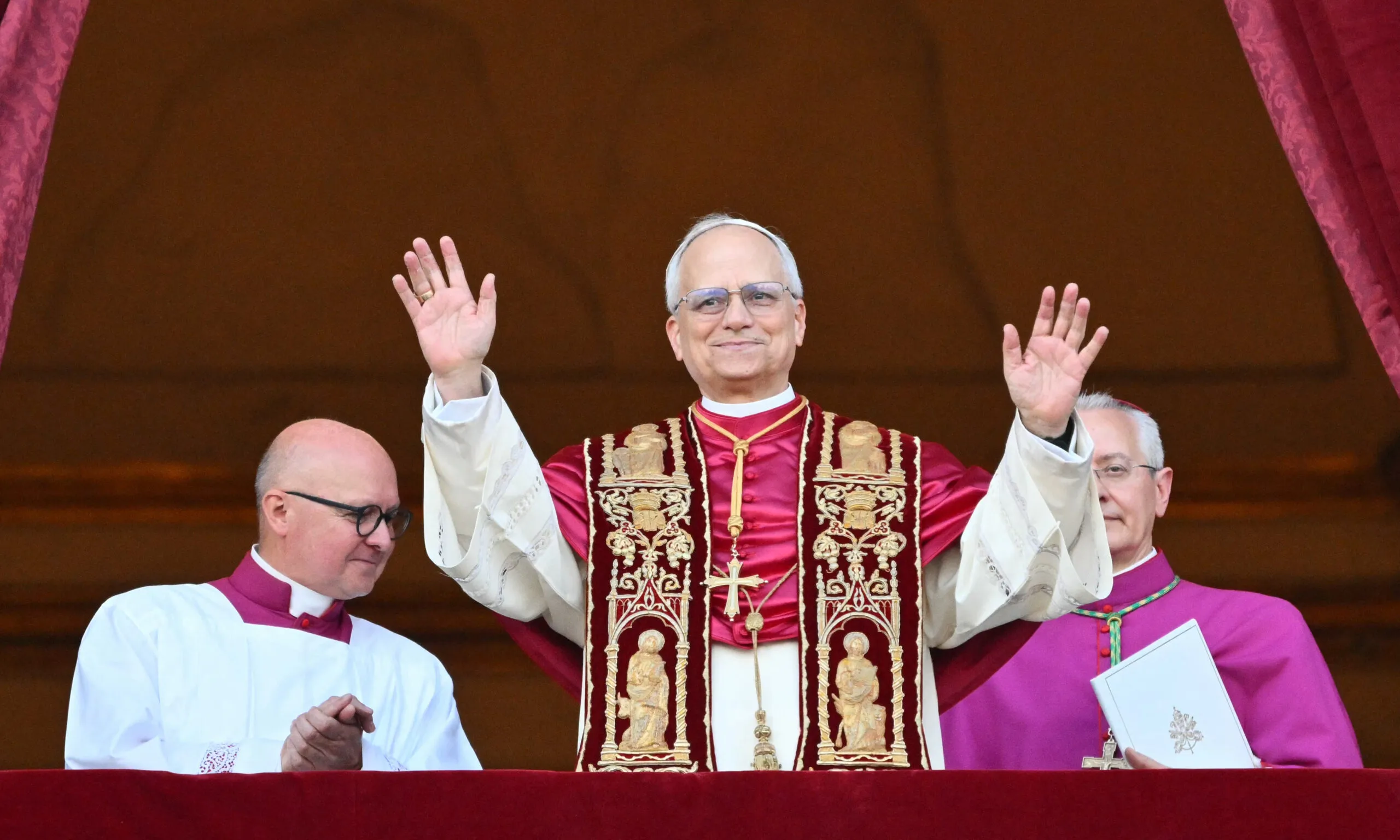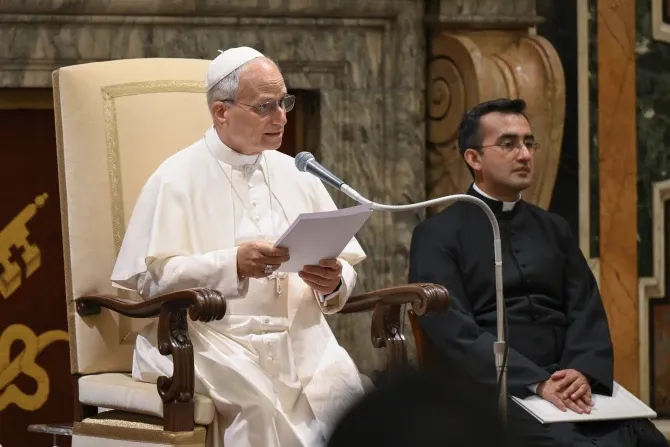


Pope Leo XIV and the Language of Moral Continuity in a Changing World

The election of Pope Leo XIV comes at a moment when global uncertainty has become a defining feature of public life. Political instability, cultural fragmentation, technological acceleration, and moral ambiguity have reshaped how societies understand authority and truth. Against this backdrop, the papacy carries a responsibility that extends beyond governance into the realm of moral orientation.
Rather than signaling rupture or reinvention, the early tone of Pope Leo XIV reflects continuity. His leadership style emphasizes stability, coherence, and measured guidance. In an era that often rewards novelty and confrontation, this approach underscores the Church’s commitment to enduring moral principles rather than reactive change.
Moral Continuity as Papal Language
Moral continuity does not imply stagnation. Under Pope Leo XIV, continuity functions as a language that connects past teaching with present challenges. It affirms that core principles such as human dignity, justice, and responsibility remain relevant even as circumstances evolve.
This approach reassures a global Church navigating rapid transformation. By grounding his leadership in continuity, Pope Leo XIV reinforces the idea that moral truth is not subject to cultural trends. Instead, it offers a stable framework within which new questions can be addressed thoughtfully.
Continuity also strengthens credibility. When leadership demonstrates consistency, moral guidance is perceived as principled rather than strategic. This distinction matters in a world skeptical of authority driven by short term influence.
Leadership Tone in a Polarized World
The tone set by Pope Leo XIV is notably measured. Rather than amplifying division, his language emphasizes discernment, patience, and dialogue. This tone reflects awareness that moral leadership today must calm rather than inflame public discourse.
In polarized societies, restraint becomes a form of leadership. By avoiding rhetorical escalation, the Pope preserves the Church’s ability to engage across ideological boundaries. This posture does not weaken moral clarity. Instead, it enhances its reach.
Such leadership recognizes that persuasion requires trust. A calm and consistent voice is more likely to be heard amid competing narratives than one that mirrors the intensity of political debate.
Doctrinal Stability and Pastoral Sensitivity
Doctrinal continuity remains central to Pope Leo XIV’s vision. Teachings on faith, ethics, and social responsibility are presented as coherent and interconnected rather than negotiable positions. This stability provides clarity for believers seeking moral orientation.
At the same time, pastoral sensitivity plays a significant role. Continuity is expressed through language that acknowledges human complexity without compromising principle. This balance allows the Church to remain both firm in teaching and attentive to lived experience.
By holding doctrine and pastoral care together, Pope Leo XIV reinforces the Church’s role as moral guide rather than ideological actor.
Global Moral Guidance Beyond Politics
The Pope’s role extends beyond any single nation or political context. Moral continuity enables the papacy to speak to global issues without becoming entangled in partisan frameworks. This universality is essential for maintaining credibility across diverse cultures.
Pope Leo XIV’s emphasis on shared moral foundations allows the Church to address global challenges such as inequality, conflict, and technological ethics from a position of independence. His guidance does not compete with political authority but complements it by addressing ethical dimensions often overlooked.
In a changing world, this form of leadership preserves the Church’s capacity to offer moral perspective that transcends immediate agendas.
Continuity as a Source of Stability
Periods of transition often provoke uncertainty within institutions. By emphasizing continuity, Pope Leo XIV provides reassurance to a global Church facing internal and external change. Stability becomes a resource rather than an obstacle.
This approach does not resist development but anchors it. Change is framed as discernment guided by tradition rather than rupture driven by pressure. Such stability strengthens unity and confidence among the faithful.
In 2026, continuity itself becomes a countercultural message, reminding societies that not all progress requires reinvention.
Conclusion
Pope Leo XIV’s leadership articulates moral continuity as a guiding language for a changing world. Through measured tone, doctrinal stability, and global perspective, he reinforces the Church’s role as a steady moral reference point. In an era defined by uncertainty, this continuity offers clarity, trust, and enduring guidance rooted in principle rather than reaction.