

Pope Leo Calls for a World Free from Antisemitism and Genocide
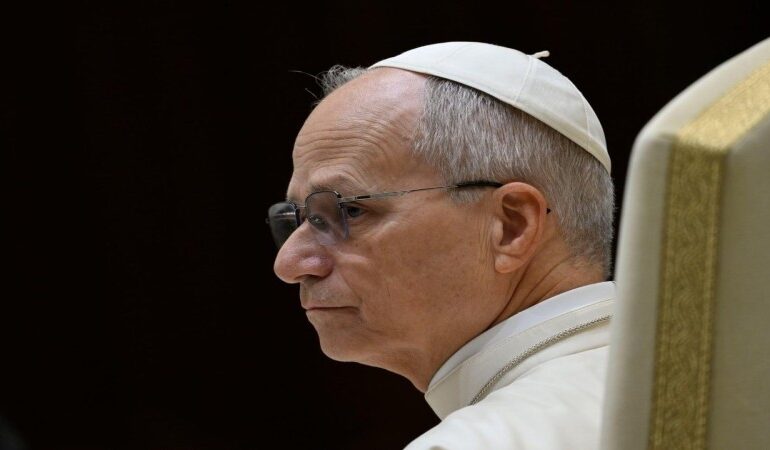

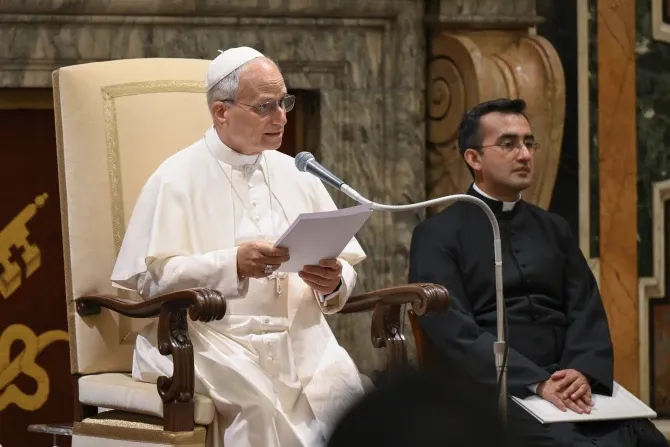
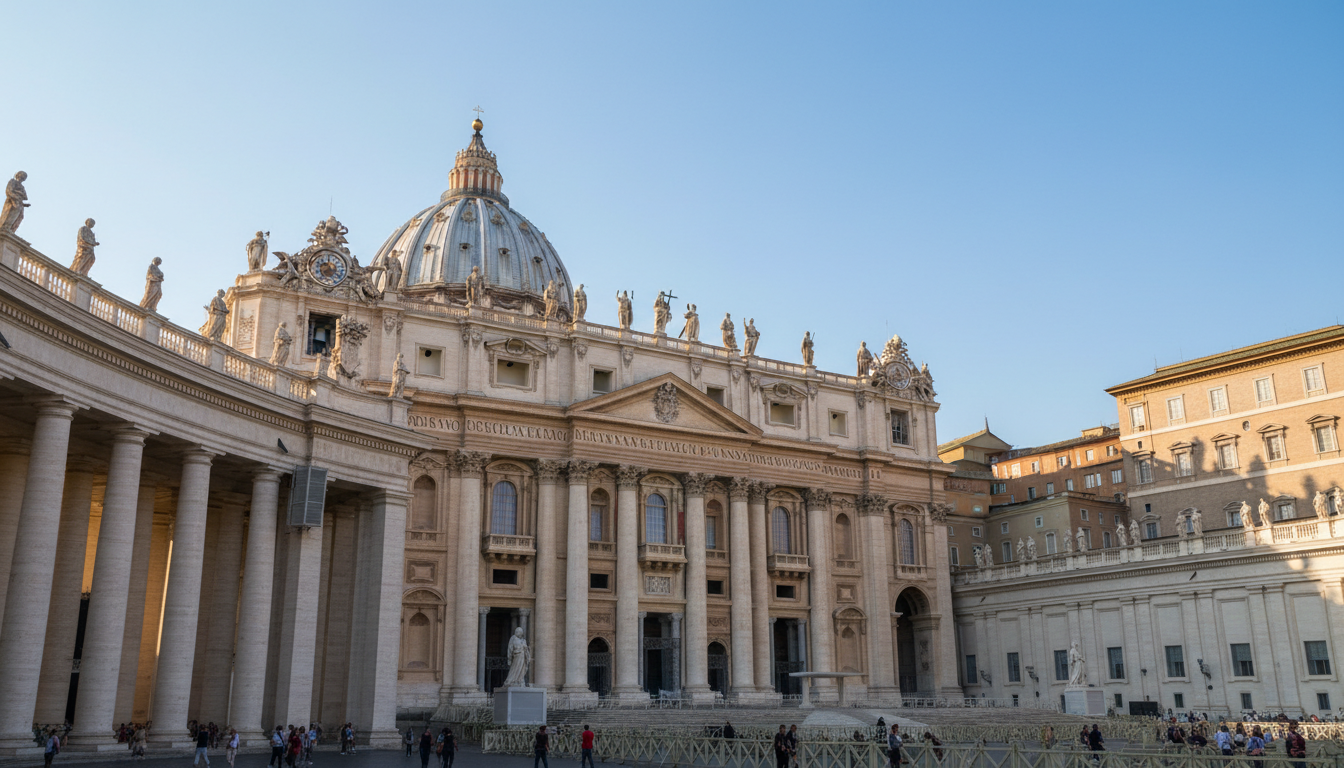
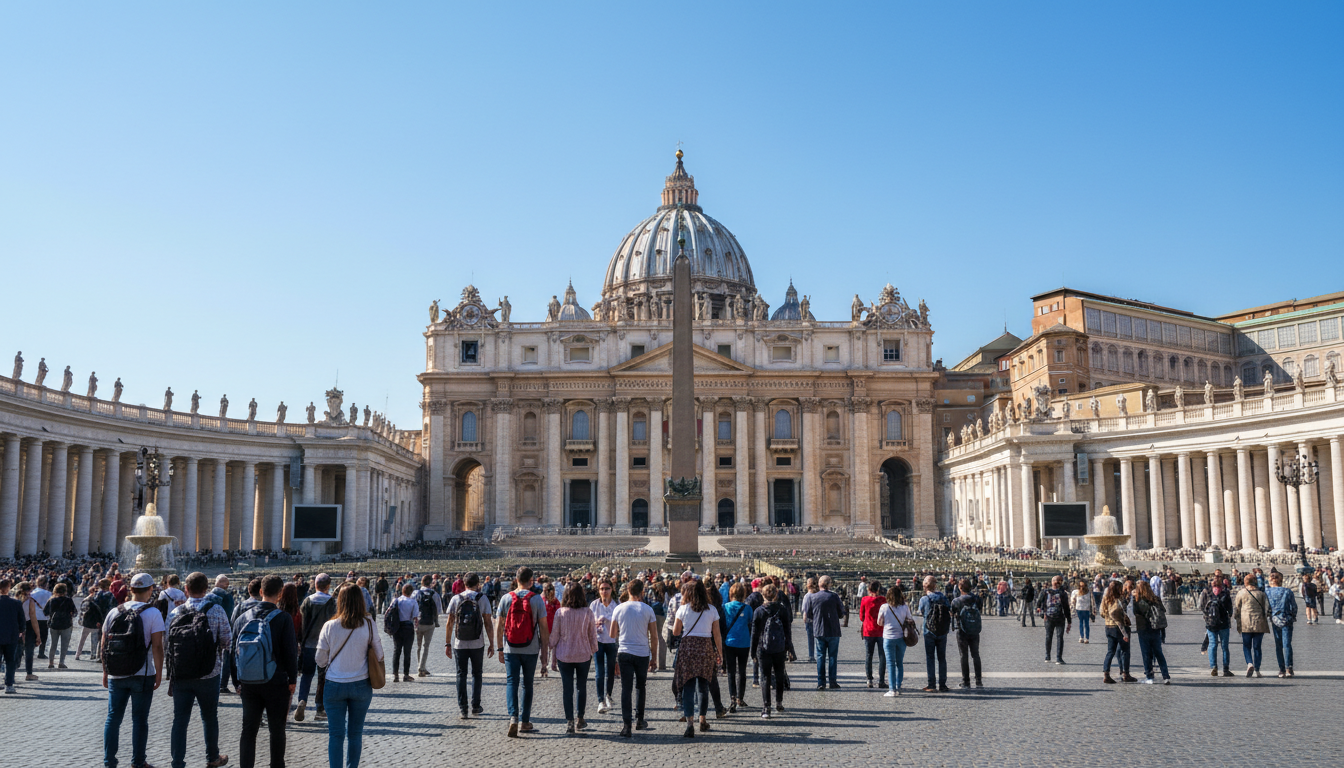
At the conclusion of his weekly General Audience in the Vatican, Pope Leo issued a strong appeal to the international community as he recalled International Holocaust Remembrance Day, observed on January 27. Speaking to the faithful gathered in St Peter’s Square, the Pope reflected on the immense human tragedy of the Holocaust, which claimed the lives of millions of Jews along with countless others. He described the annual commemoration as a moment of painful but necessary remembrance, urging societies not to allow the passage of time to weaken moral vigilance. The Pope framed memory as a responsibility rather than a ritual, stressing that recalling past atrocities must lead to concrete commitments in the present to protect human dignity and prevent the repetition of crimes rooted in hatred, exclusion, and dehumanization.
In his address, Pope Leo prayed for what he described as the gift of a world no longer scarred by antisemitism or by broader forms of prejudice, oppression, and persecution directed against any human being. He warned that hatred, when tolerated or ignored, can quietly take root and later erupt into violence with devastating consequences. The Pope emphasized that antisemitism remains a grave moral evil that contradicts the foundations of a just society. He called on political leaders, educators, and communities to work actively against discriminatory attitudes and narratives, noting that indifference can be as dangerous as open hostility. A society that fails to defend the dignity of one group, he said, ultimately weakens the dignity of all.
Renewing his appeal beyond the specific memory of the Holocaust, Pope Leo urged global leaders and institutions to remain alert so that the horror of genocide is never again inflicted upon any people. He stressed that peace cannot be sustained merely through legal frameworks or political agreements, but must be built upon a shared moral vision rooted in mutual respect and the common good. According to the Pope, the prevention of mass violence requires constant effort, including dialogue between cultures, protection of minorities, and a willingness to confront historical injustices honestly. He described remembrance as a safeguard that helps societies recognize early warning signs of dehumanization before they escalate into systematic violence.
The Pope also recalled that on the previous day he marked Holocaust Remembrance Day through a message shared on his official social media account, reaffirming the Church’s unwavering rejection of antisemitism. He reiterated that this position is firmly grounded in the principles articulated in the declaration Nostra Aetate, which condemns discrimination and harassment based on ethnicity, language, nationality, or religion. Pope Leo stressed that the Church’s stance is not merely historical but remains a living commitment in the present. He concluded by encouraging believers to be witnesses of respect and solidarity in daily life, helping to shape societies where memory leads to responsibility and where justice and peace are actively pursued.