
Swiss Politician Fined After Shooting at Religious Image


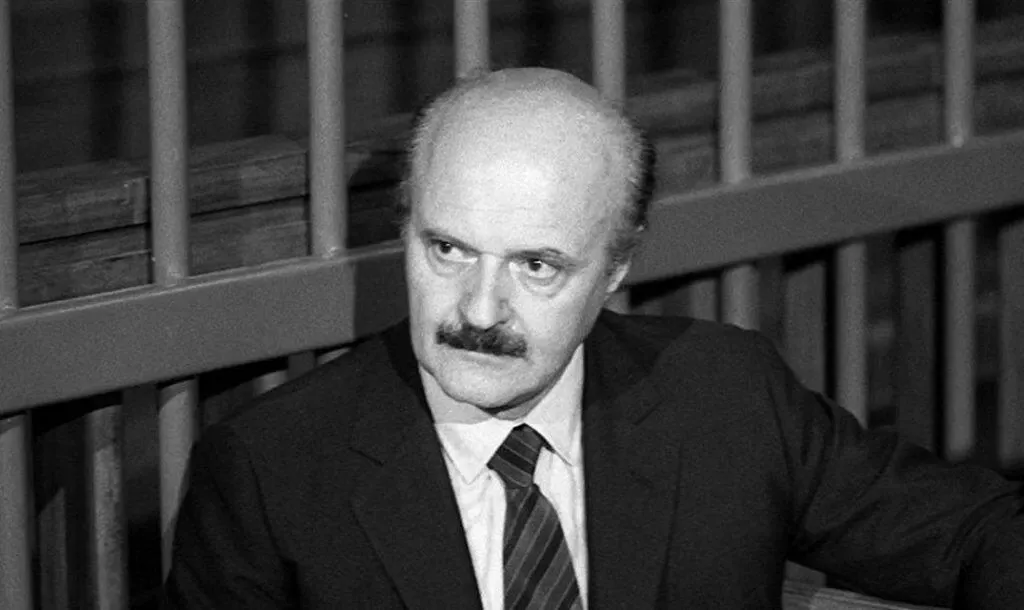
A Swiss court has convicted a local politician for firing a pistol at a poster depicting a historic image of the Madonna and Child, an act that authorities said violated protections for religious freedom. The Zurich district court ruled on Wednesday that Sanija Ameti, an independent member of the Zurich city council, committed an offense by shooting at an auction poster reproducing a fourteenth century religious painting and later sharing images of the damage on social media. The court imposed a suspended fine totaling three thousand Swiss francs along with an additional monetary penalty. Prosecutors had sought a higher sanction, citing the public nature of the act and the sensitivity surrounding religious imagery. Ameti did not address the court during the hearing, and no statement was released by her legal representatives following the verdict.
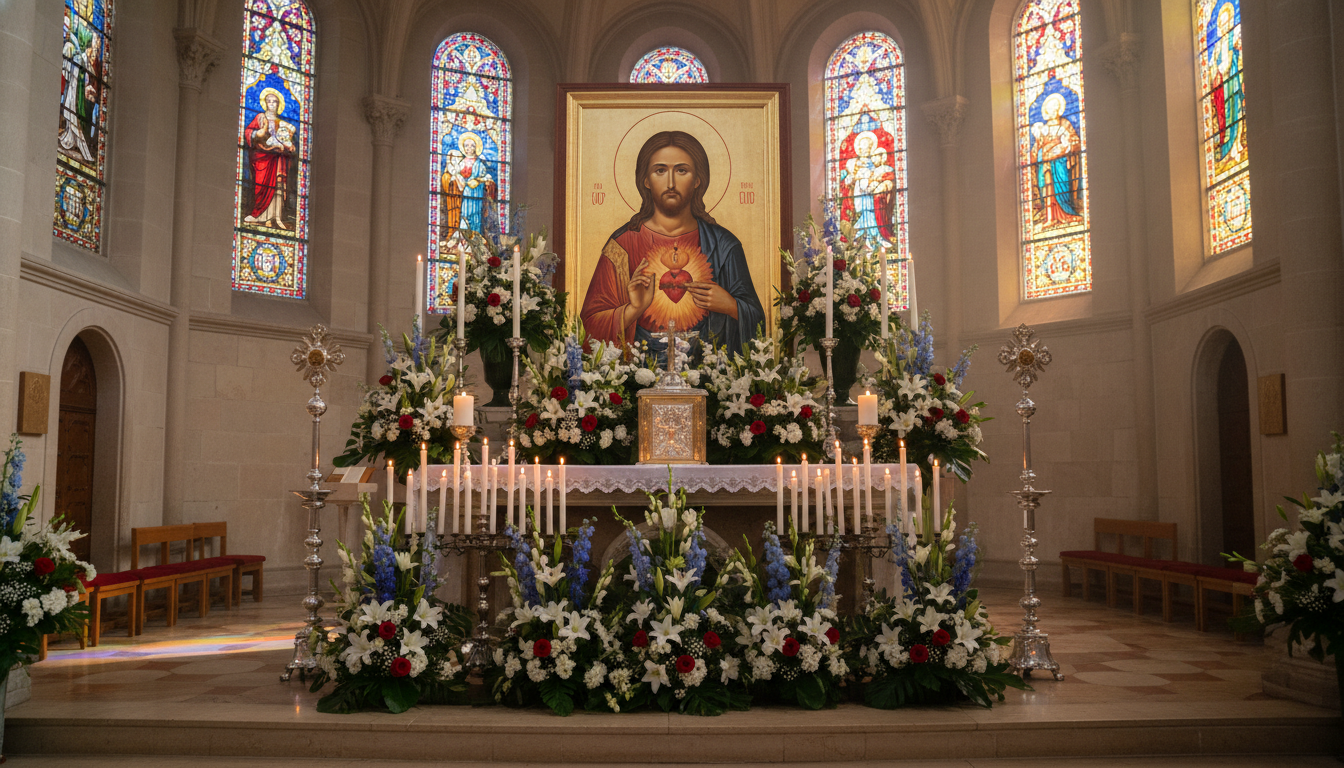
The incident dates back to September 2024, when Ameti fired a sport pistol at a poster advertising an artwork attributed to the Italian painter Tommaso del Mazza. The poster featured a depiction of the Madonna with the Child Jesus, accompanied by the Archangel Michael. Photographs of the damaged image were later uploaded to social media platforms, prompting widespread criticism and public outrage. Although the images were subsequently removed, the episode sparked intense debate in Switzerland regarding respect for religious symbols and the limits of personal conduct by public officials. Ameti later issued an apology, stating that she had not initially considered the religious significance of the image, but the explanation did little to contain the reaction.
Catholic organizations and media outlets in Switzerland responded swiftly to the incident, describing it as deeply offensive to believers. Church representatives initially condemned the act, noting that it wounded the sensibilities of many faithful and undermined respect for religious expression in public life. In subsequent statements, some Catholic leaders emphasized forgiveness while reaffirming the need for mutual respect in a pluralistic society. The case was closely followed by religious communities, who viewed the judicial response as an important affirmation of legal safeguards protecting freedom of religion and worship. The ruling reinforced existing Swiss laws that prohibit acts deemed to disturb religious peace or target sacred symbols.
Beyond the legal consequences, the incident had significant professional and personal repercussions for Ameti. Following the public backlash, she lost her position in public relations, adding to the broader impact of the controversy. The case has since been cited in discussions about responsibility and accountability for elected officials, particularly regarding conduct that affects religious communities. Observers noted that the episode highlights ongoing tensions in European societies between secular expression and respect for religious heritage. The court’s decision was widely interpreted as a signal that acts perceived as mocking or desecrating religious symbols carry serious legal and social consequences, regardless of intent.