Beyond Structures: Why the Church’s Future Is Being Shaped Quietly at the Parish Level


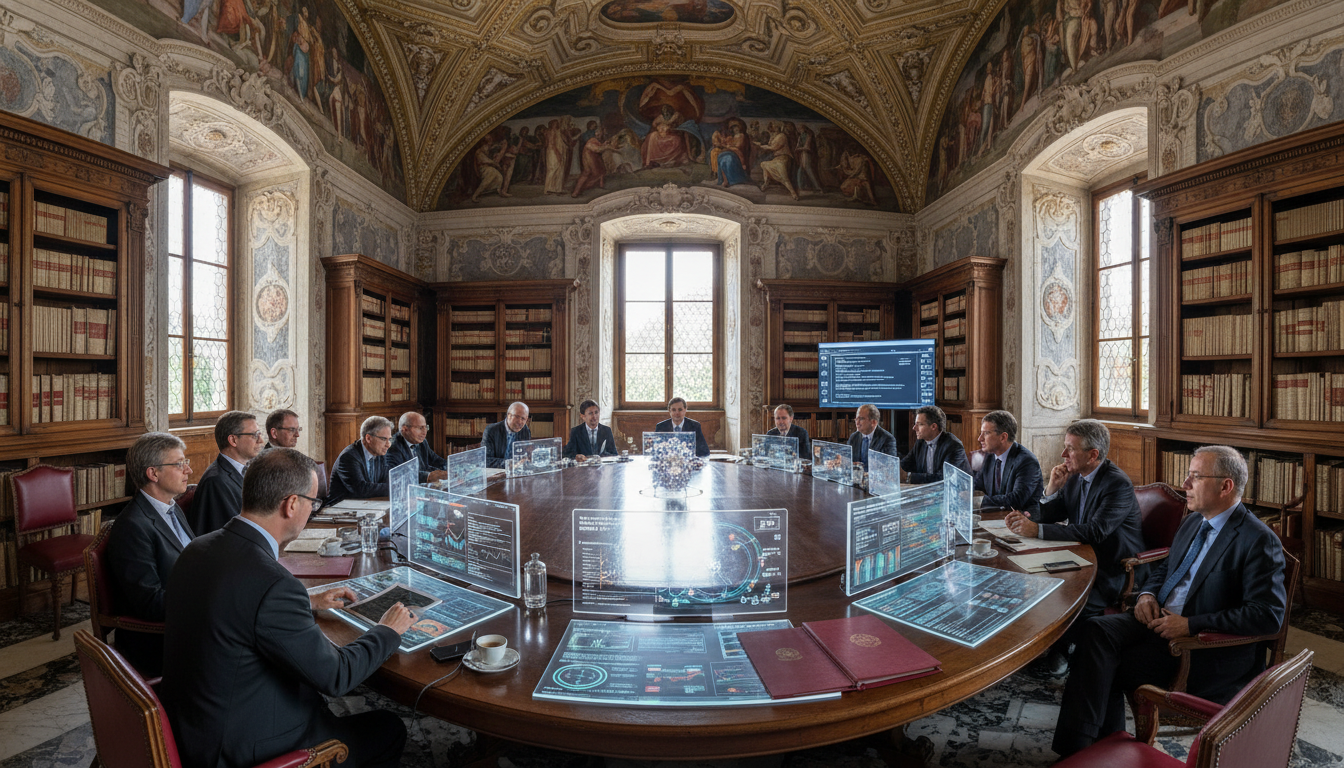
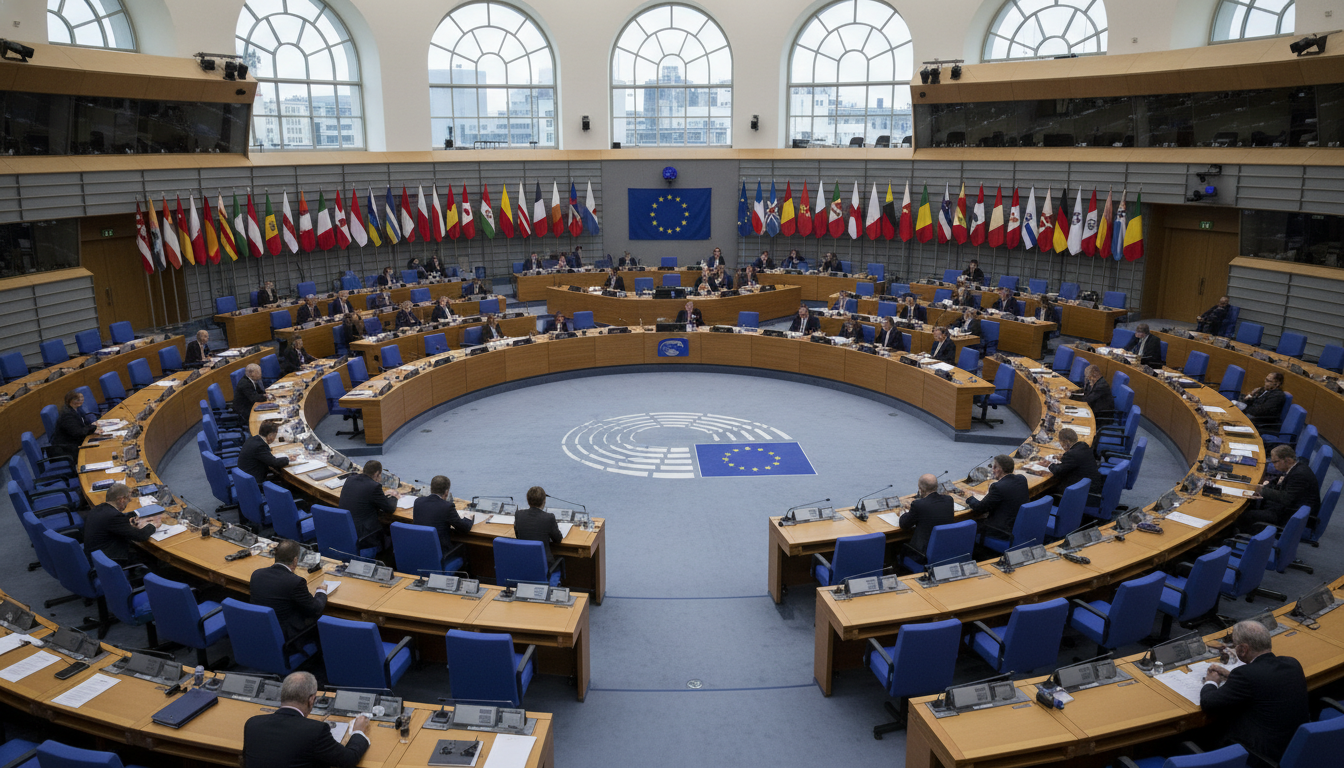
For much of modern history, discussions about the Church’s future have focused on structures, institutions, and large-scale reforms. Diocesan plans, synods, and Vatican initiatives often dominate attention. Yet beneath these visible frameworks, a quieter and more enduring transformation is unfolding at the local parish level.
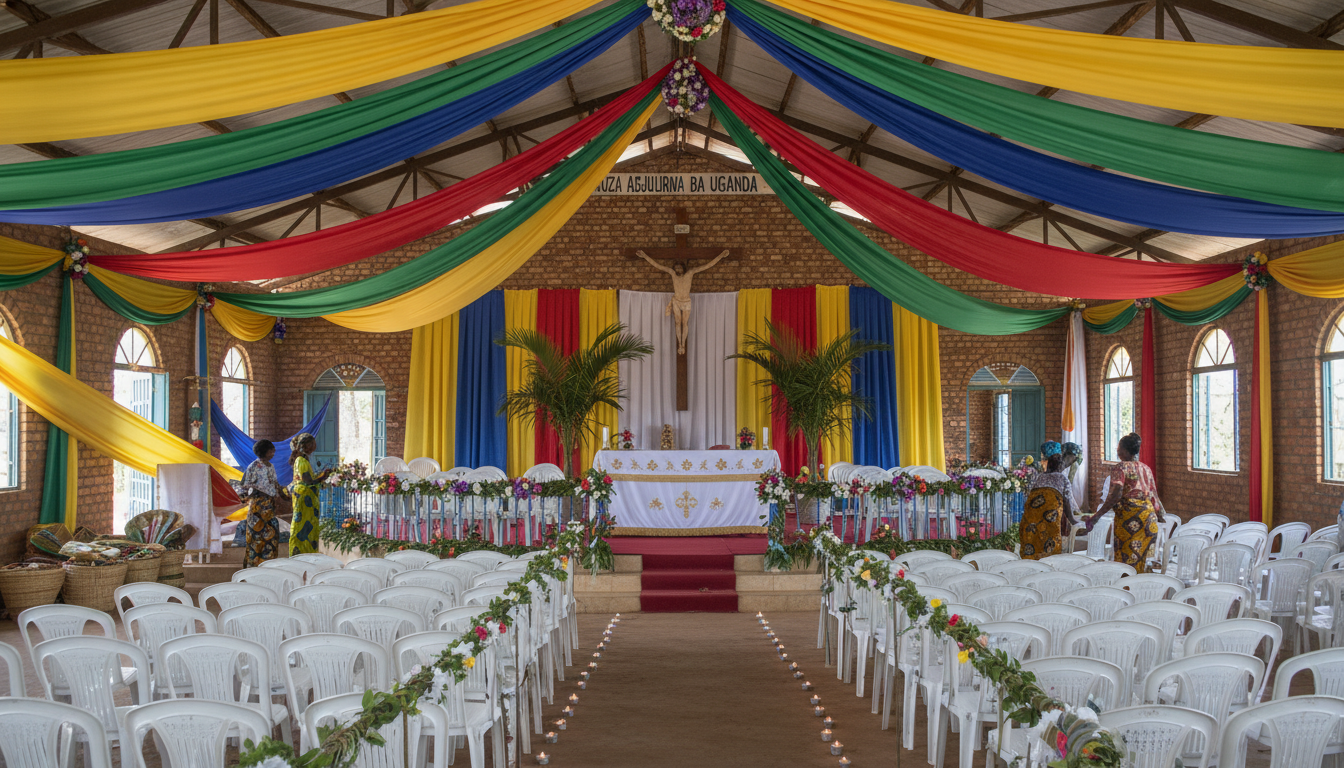
Across continents, parishes are becoming the primary space where renewal is tested, lived, and sustained. While global structures provide unity and direction, it is within ordinary communities that faith is transmitted, accompanied, and embodied. The future of the Church is being shaped less by administrative redesign and more by how parishes respond to real human needs.
The Parish as the First Place of Encounter
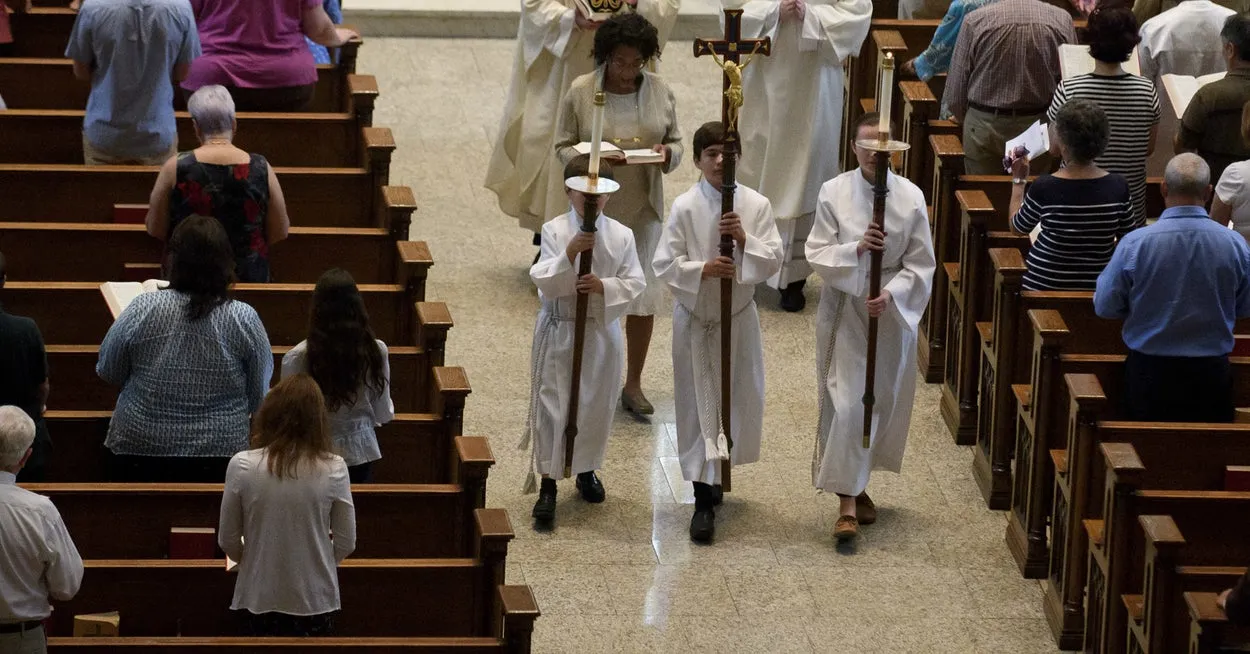
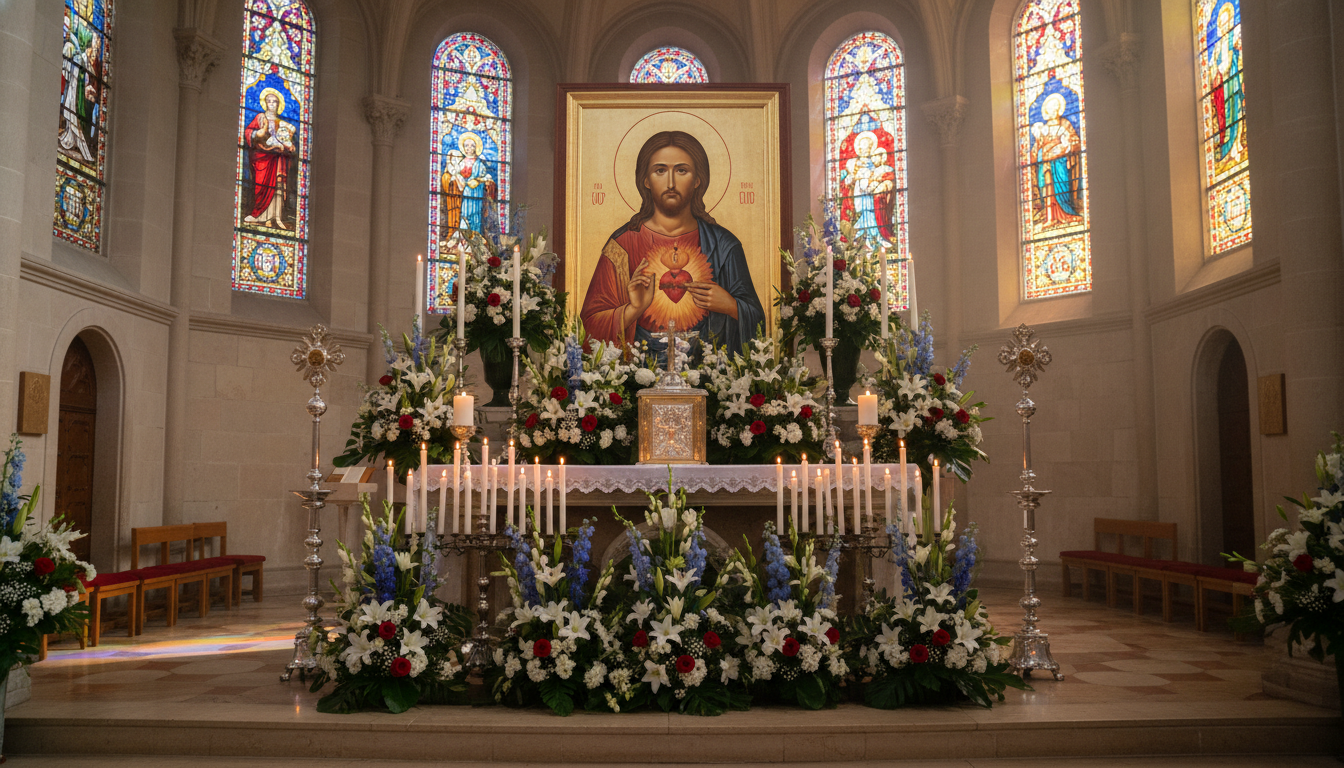
The parish remains the most immediate point of contact between the Church and everyday life. It is where people encounter the sacraments, hear the Word proclaimed, and experience pastoral care. In many regions, parishes are no longer sustained by cultural habit but by intentional participation, which has reshaped their character.
Rather than functioning primarily as service centers, many parishes are rediscovering their role as communities of encounter. Emphasis is increasingly placed on welcome, accompaniment, and shared responsibility. Faith formation is becoming more relational, centered on listening and dialogue rather than one direction instruction.
This shift has allowed parishes to adapt creatively to local realities. While challenges such as declining attendance remain real, parishes that focus on personal engagement often experience deeper commitment among those who remain active.
Lay Leadership and Shared Responsibility
One of the most significant developments at the parish level is the expanded role of lay leadership. In many communities, lay men and women are coordinating pastoral initiatives, catechesis, charitable outreach, and community life. This is not a replacement of ordained ministry but a fuller expression of shared responsibility.
Lay involvement has proven especially vital where priest numbers are limited. Parishes that encourage collaboration tend to be more resilient and responsive. They foster a sense of belonging that moves beyond passive participation toward active mission.
This shared leadership also strengthens accountability and transparency. When parish life is shaped by collective discernment, decisions reflect lived experience and pastoral reality rather than abstract planning.
Formation Rooted in Daily Life
Parish based renewal is also redefining how faith formation occurs. Increasingly, formation is integrated into daily life rather than confined to formal programs. Small groups, family centered catechesis, and service oriented initiatives allow faith to be learned through practice and relationship.
This approach responds to the reality that many Catholics today encounter faith amid work, family responsibilities, and social pressures. Parishes that recognize this reality create flexible spaces where formation adapts to life rather than competing with it.
Such formation does not lower expectations. Instead, it grounds belief in lived experience, helping individuals connect doctrine with real moral and spiritual questions.
Community as Mission Rather Than Maintenance
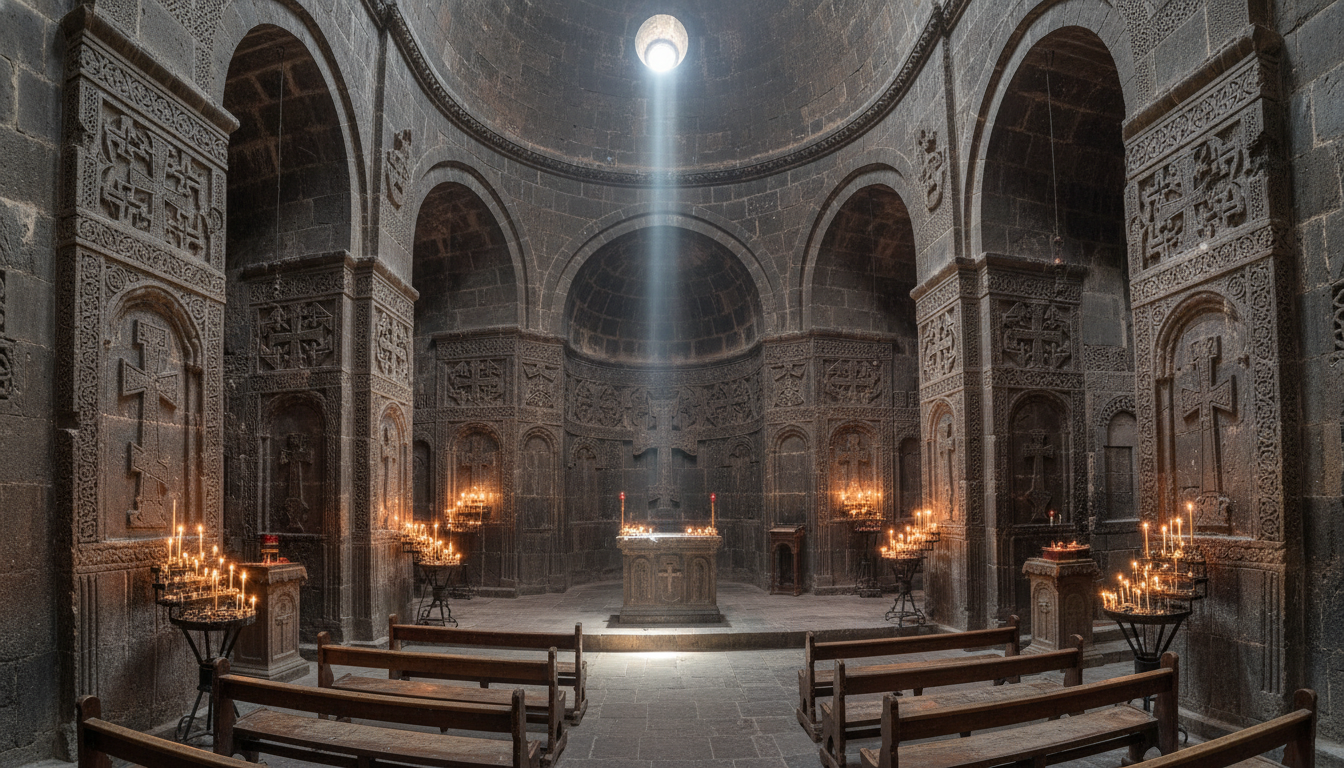
A growing number of parishes are moving away from a model focused solely on maintenance toward one centered on mission. This does not mean abandoning tradition, but re engaging it as a living resource. Worship, charity, and teaching are increasingly understood as interconnected expressions of mission.
Parishes that thrive often invest in relationships before programs. Hospitality, listening, and presence become foundational practices. Outreach is not treated as an extra activity but as a natural extension of community life.
This missionary posture allows parishes to serve as bridges between the Church and wider society. Through local initiatives, the Church remains visible, credible, and compassionate in a changing cultural landscape.
Conclusion
While structures and global initiatives remain important, the Church’s future is being shaped most decisively in ordinary parishes. Through shared leadership, lived formation, and community centered mission, local churches are quietly renewing the life of faith. In these humble settings, the Church continues to grow not through prominence, but through presence.