South African Church Marks 75 Years from Resistance to Renewal
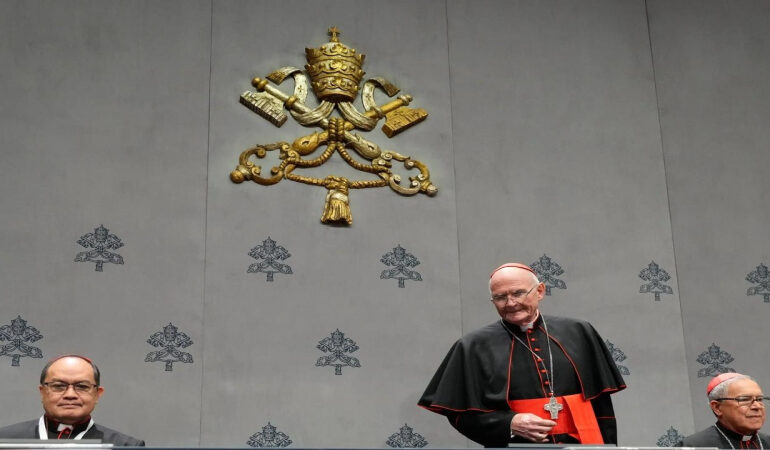

The Catholic Church in South Africa is marking seventy five years since the establishment of its local hierarchy, reflecting on a journey shaped by colonial legacy, apartheid resistance, and the ongoing task of reconciliation. Speaking as the anniversary is observed, Stephen Brislin described the milestone as a turning point that transformed the Church from a missionary led structure into a locally governed community rooted in the realities of South African society. The establishment of the hierarchy in the early 1950s created archdioceses and dioceses that allowed leadership to be entrusted to local clergy while remaining in communion with the universal Church. According to Brislin, this shift laid the groundwork for a Church that could respond more directly to social injustice, cultural diversity, and the spiritual needs of its people during one of the most turbulent periods in the nation’s history.
As apartheid took hold shortly after the hierarchy was established, the Church found itself navigating laws that enforced racial separation in direct conflict with its universal vision of human dignity. Brislin recalled that segregation affected every level of Church life, from worship to priestly formation, forcing the creation of racially divided parishes and seminaries. Despite these constraints, the Church became one of the few institutions to openly challenge apartheid structures, particularly through education. Religious congregations, especially women religious, played a decisive role by opening Catholic schools to all races in defiance of the law. This resistance placed Catholic institutions under pressure from the state, resulting in closures and financial strain, yet many schools survived through community support and fundraising, continuing to serve the poorest communities and preserving access to education during a period of systemic exclusion.
Over the decades, the Church’s internal life also underwent profound change as local clergy and bishops increasingly assumed leadership roles. Where missionary priests once formed the majority, South African born clergy now make up most of the priesthood and episcopate. This transition, Brislin noted, strengthened the Church’s sense of identity and responsibility within the nation. Growth in parishes and lay participation accompanied this shift, reflecting a Church that matured rapidly within a relatively short historical timeframe. The development of a distinctly South African Catholic presence allowed pastoral priorities to emerge from lived experience rather than imported models, fostering greater engagement with social issues such as inequality, reconciliation, and moral renewal in a democratic era still marked by deep economic and social divisions.
The experience of apartheid also shaped theological reflection within the Church, giving rise to currents of liberation and black theology that interpreted faith through the suffering of oppressed communities. Brislin explained that theologians and pastoral leaders grounded their reflections in everyday realities, asking how Christian faith could affirm dignity and justice amid systemic dehumanization. While the democratic transition has altered the Church’s context, he observed that the legacy of colonialism and apartheid continues to influence society and ecclesial life. Today, the Church increasingly draws on its own resources, talents, and leadership to address contemporary challenges, focusing on bridge building, youth formation, and social cohesion. As the anniversary is marked, Church leaders view the past as both a source of humility and a foundation for continued engagement with South Africa’s evolving social landscape.