
Australian bishops urge compassion and action as cost of living crisis deepens
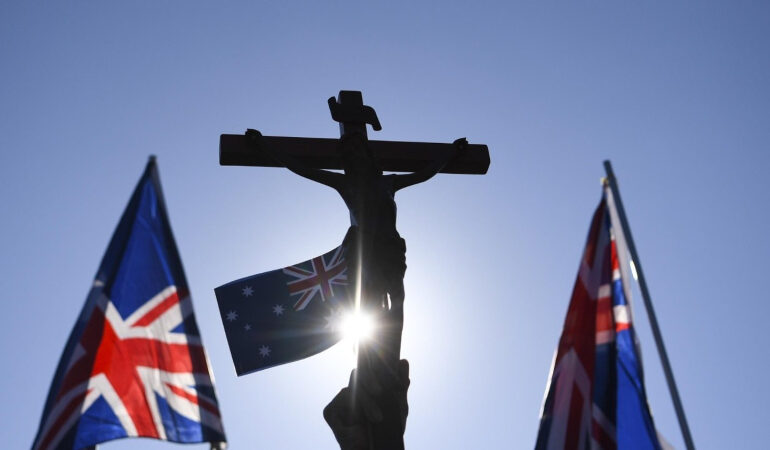

The Australian Catholic Bishops Conference has released the first of two major statements on social justice, focusing on the country’s ongoing cost of living crisis and its growing human impact. Rather than concentrating on economic indicators alone, the bishops call attention to the lived experiences of individuals and families struggling to afford necessities, urging Australians to respond with solidarity, responsibility and care for the common good.
In a preface to the statement, Archbishop Timothy Costelloe, president of the Australian Catholic Bishops Conference, describes the document as an invitation to reflect deeply on the challenges facing the nation and to respond with faith, hope and love. He notes that for many people rising prices are not abstract trends but daily realities that involve skipping meals, delaying medical treatment or living without secure housing. The archbishop warns against reducing these struggles to statistics, stressing that behind every figure is a human story marked by hardship and resilience.
The statement draws heavily on Catholic social teaching, highlighting principles such as the dignity of the human person, solidarity, subsidiarity, the common good and the preferential option for the poor. These values, the bishops argue, call on individuals and institutions alike to share generously, advocate for justice and build communities where no one is overlooked or excluded.
Australia’s cost of living pressures have intensified in recent years due to a combination of factors including the economic fallout from the COVID-19 pandemic, global conflicts, higher interest rates, rising housing costs, wage stagnation and strong corporate profits. The bishops underline the human cost of these pressures by sharing real-life testimonies. One young mother from New South Wales recounts skipping meals so her daughter and pets could eat, while also struggling to pay electricity bills for years.
Research cited in the statement paints a troubling picture. More than 70 percent of working Australians and people receiving government support report that the cost of goods and services is rising faster than their incomes. Many households have been forced to draw down savings, take on debt or go without heating, cooling, medical care or essential medication. By 2025, more than one in three households reported experiencing food insecurity, with conditions often worse in regional and remote areas where food prices can be double those in major cities.
The bishops emphasise that respect for human dignity lies at the heart of Catholic teaching. They argue that when people are deprived of access to food, housing or healthcare, their dignity is compromised in ways that are morally unacceptable. The principle of the universal destination of goods, they say, demands that everyone has what they need to live with dignity and to flourish.
While Catholic organisations such as the St Vincent de Paul Society and diocesan social services already provide extensive support to hundreds of thousands of people each year, the bishops insist that responsibility cannot rest with charities alone. Governments, businesses, faith communities and individuals all have a role to play.
The statement concludes with a call for practical action, encouraging volunteering, donations, civic engagement and advocacy for fairer policies. The bishops urge Australians to become witnesses of hope, helping to replace despair with compassion and to work toward a more just, resilient and humane society.