Peruvian bishop anticipates papal visit and highlights Pope Leo’s vision of synodality
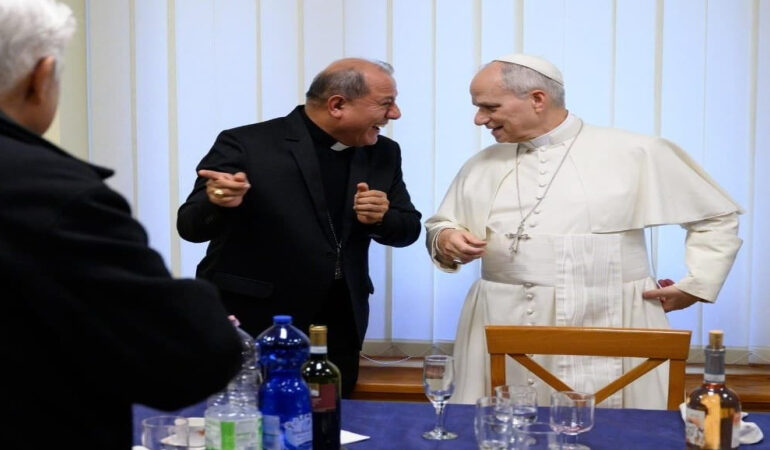

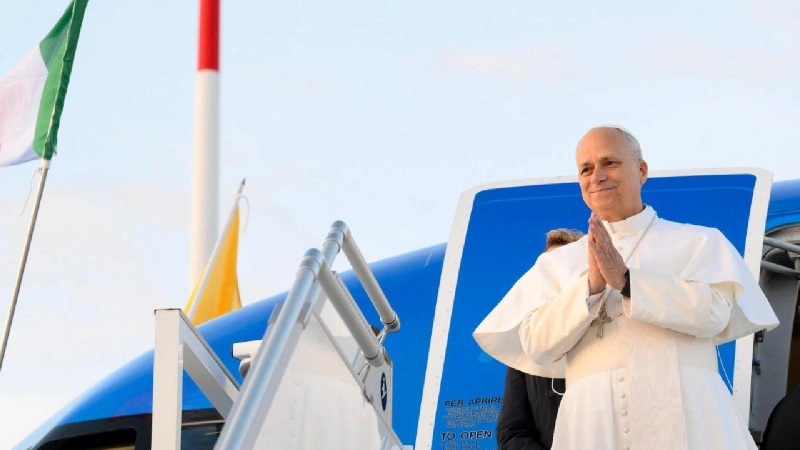
A bishop in Peru has expressed strong confidence that Pope Leo XIV will visit the country soon, describing such a trip as almost certain and emphasizing the Pope’s commitment to unity, peace, and synodality within the Church. Speaking after the recent ad limina visit of Peruvian bishops to Rome, Bishop Jorge Izaguirre of Chosica said expectations are high among clergy and faithful alike.
According to Bishop Izaguirre, while no official dates have been confirmed, there is widespread hope that a papal visit could coincide with the 300th anniversary of the canonization of Saint Turibius of Mogrovejo, the former archbishop of Lima and a key figure in the evangelization of South America. Major celebrations marking the anniversary are planned for November, and many believe the Pope’s presence would have a profound impact across Peru.
The bishop stressed that such a visit would bring great responsibility for the Church in Peru. He said bishops and pastors are called to offer a strong witness that supports Pope Leo in his mission, particularly at a time when the country faces deep political and social uncertainty. Peru is heading toward a presidential election marked by instability, a fragmented political field,d and widespread public distrust in institutions.
Bishop Izaguirre was among around 50 Peruvian prelates who traveled to Rome for meetings with Pope Leo XIV and various Vatican dicasteries. He described the encounter as one marked by fraternity and openness. The Pope, he said, emphasized peace as a central priority of his pontificate, urging the bishops to be an example of unity in a world increasingly shaped by conflict and polarization.
Unity was a recurring theme during discussions with the Pope. Bishop Izaguirre recalled that Pope Leo encouraged the Peruvian episcopate to overcome any history of division and to live more visibly in communion. As a concrete sign of this call, the Pope gave each bishop an identical pectoral cross, which they later wore together as a gesture of shared commitment and mutual support.
The bishop also noted Pope Leo’s personal affection for Peru, mentioning that the Pope begins and ends each day in prayer before an image of the Lord of the Miracles, a beloved Peruvian devotion gifted to him. This gesture, he said, deeply moved the bishops and reinforced the Pope’s closeness to their people.
Among the key topics discussed was the need for the Church to remain close to the poor and to be a prophetic voice amid social and political challenges. Bishop Izaguirre said the Pope encouraged bishops not to remain silent in the face of injustice, but to speak with clarity and courage while fostering dialogue rather than confrontation.
Synodality featured prominently in their conversations. For Pope Leo, synodal life is inseparable from mission and missionary outreach. The bishop said the Pope views synodality as a real commitment to walking together, listening deeply, especially to the Holy Spirit, and ensuring that even the weakest voices are heard.
Bishop Izaguirre added that Pope Leo shares continuity with Pope Francis while bringing his own calm and attentive pastoral style. Authority, he said, is understood by the Pope not as power over others, but as closeness to the People of God. In this spirit, a future papal visit could offer Peru words of hope capable of inspiring unity, social renewal, and a stronger commitment to justice and solidarity.