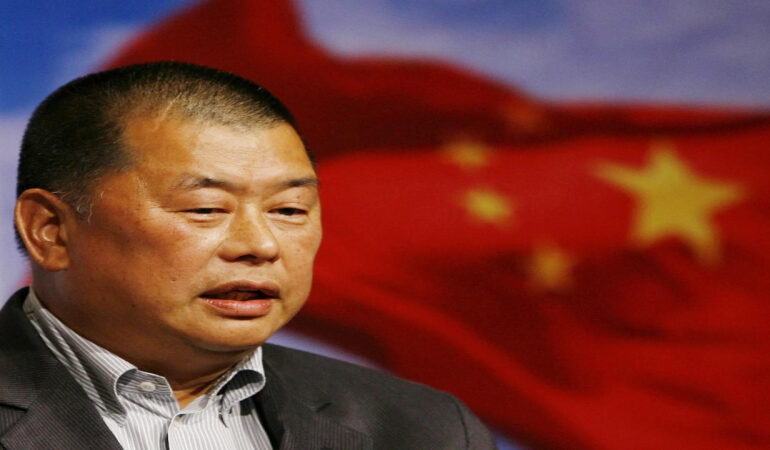

For supporters, Jimmy Lai is a symbol of resistance and democratic conviction. For the Hong Kong and Chinese authorities, he is a criminal who crossed legal red lines. The life story of Jimmy Lai, a Catholic businessman turned outspoken activist, reflects the dramatic political transformation of Hong Kong over the past four decades.
Now 78, Lai was sentenced in February to 20 years in prison after being convicted of conspiring to commit sedition and colluding with foreign forces. His case has become one of the most prominent examples of how freedoms in Hong Kong have been reshaped since Beijing imposed the national security law in 2020. While the government insists the case is about law and order rather than press freedom, critics argue it symbolizes the end of an era for the city’s once vibrant media and political life.
Lai’s rise began far from power or privilege. Born in 1947 in Guangzhou, he fled mainland China at the age of 12, stowing away on a fishing boat to reach Hong Kong. Like many migrants of that generation, he arrived with nothing and began working as a child laborer in a glove factory. Those early experiences introduced him to the garment trade and shaped his entrepreneurial drive.
In 1981, Lai founded Giordano, a clothing brand that grew into an international retail chain with thousands of stores worldwide. His success made him one of Hong Kong’s best known business figures. However, his fortunes shifted in the 1990s after he openly criticized Chinese leaders over the 1989 Tiananmen Square crackdown. Political pressure followed, and Lai eventually sold his stake in Giordano.
Publishing became his new platform. In 1990, he launched Next Magazine, followed by the founding of Apple Daily in 1995. The newspaper adopted a tabloid style but gained influence through investigative reporting and blunt criticism of both Beijing and Hong Kong authorities. Over time, Apple Daily became one of the most outspoken pro democracy publications in the territory, drawing large readership and intense scrutiny.
Lai moved beyond publishing into direct activism. He joined the 2014 Umbrella Movement, standing alongside protesters demanding greater democratic rights. In 2019, he again appeared on the streets during massive demonstrations against proposed extradition laws, which later evolved into broader protests over Hong Kong’s autonomy. His meetings with senior United States officials during that period later featured prominently in his trial.
Following the introduction of the national security law, Lai was arrested in 2020 and has remained in custody since. Apple Daily was forced to shut down in 2021, marking a turning point for press freedom in the city.
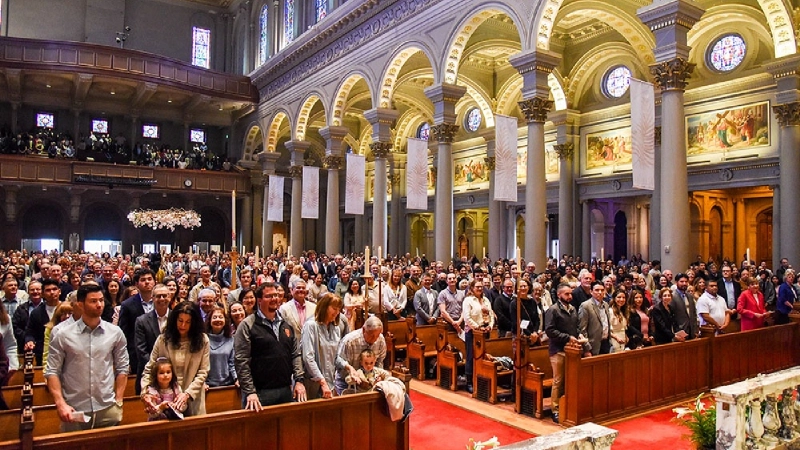
A devout Catholic, Lai has drawn strength from his faith while imprisoned. Friends say he spends time praying and drawing religious images, including depictions of the crucifixion. During his trial, he insisted his writings were motivated by conscience rather than hatred or sedition.
Lai once said he accepted the possibility of prison if it came to that. His conviction now stands as a powerful symbol of Hong Kong’s changed political landscape and the high personal cost of dissent.